
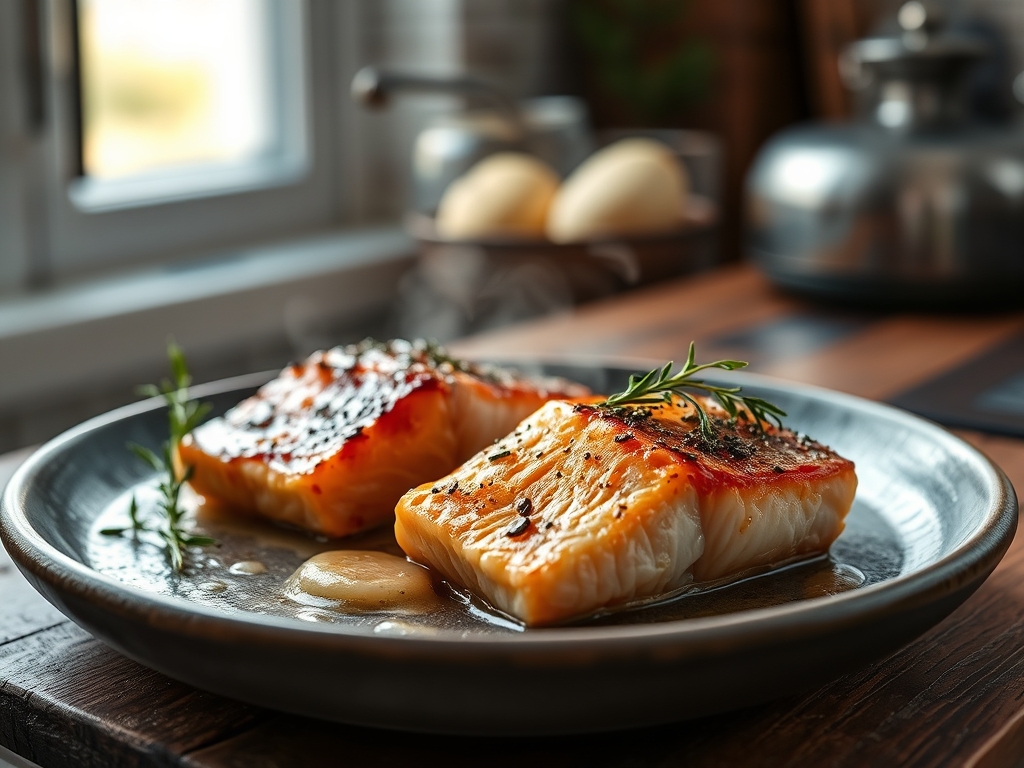
Imagine the scent of fresh dill meeting the sharp, salty kiss of the Baltic sea as it wafts through a sunlit kitchen in Stockholm. There is a specific kind of magic in how the North handles fish; it is a delicate balance of fat, acid, and temperature that transforms a simple fillet into a buttery masterpiece. When you dive into authentic swedish salmon recipes, you are not just cooking dinner; you are mastering the art of the cure and the sear. It is about that perfect, translucent flake that falls away under the slight pressure of a fork. We are going to bridge the gap between rustic tradition and modern culinary science to ensure your kitchen smells like a Michelin-starred Nordic bistro. Grab your apron and your sharpest knife; we are about to decode the secrets of the fjords.
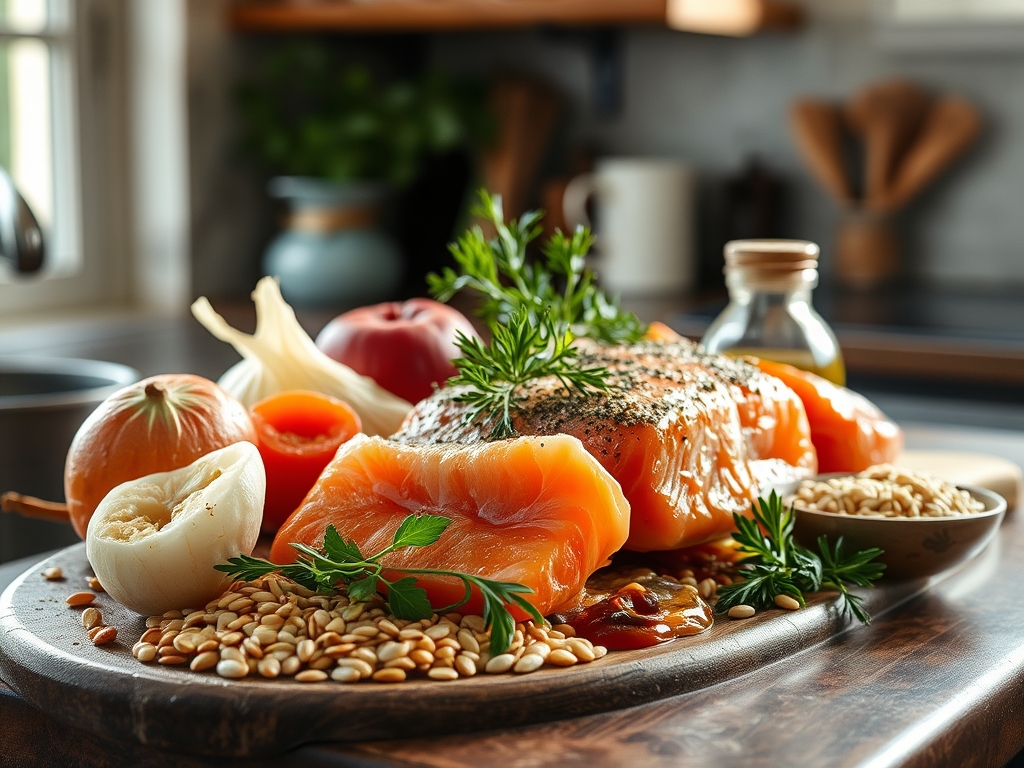
The Gathers:
To achieve the "Golden Hour" glow on your plate, your mise-en-place must be precise. Start with a two-pound side of Atlantic salmon, preferably center-cut for uniform thickness. You will need a digital scale to measure out exactly 50 grams of coarse sea salt and 40 grams of granulated sugar; this specific ratio is the engine behind the osmotic pressure that cures the flesh.
The aromatics are non-negotiable. Gather a massive bunch of fresh dill (stalks included for their viscous oils), whole white peppercorns for a piquant heat, and the zest of two lemons. Use a microplane to shave the zest into fine ribbons, ensuring you avoid the bitter white pith. For the sauce, have high-quality Dijon mustard, honey, and a neutral oil ready to emulsify into a thick, glossy Gravlax-style dressing.
Smart Substitutions: If you cannot find fresh dill, do not reach for the dried stuff; it lacks the volatile oils needed for a true infusion. Instead, use fennel fronds for a similar anise-forward profile. If you are watching your sodium, replace half the salt with celery salt to maintain the savory depth without the full mineral punch.
The Clock
The "Chef's Flow" for Swedish salmon is unique because it relies heavily on passive time. The prep takes about 20 minutes of active labor, mostly involving the precise slicing of the fish and the crushing of spices. However, the curing phase requires a minimum of 12 to 24 hours in the refrigerator. This is not just waiting; it is a chemical transformation where the salt denatures the proteins.
If you are opting for a hot-seared Swedish style, the cook time is a lightning-fast 8 minutes. The key is to allow the fish to rest for exactly 5 minutes after it leaves the heat. This allows for thermal carryover, ensuring the center reaches a perfect medium-rare without the exterior becoming dry or fibrous.

The Masterclass
1. The Precision Scale and Score
Lay your salmon skin-side down on a clean work surface. Use a bench scraper to clear your area, then take a sharp chef's knife to score the skin in shallow, parallel lines. This prevents the skin from curling as the collagen fibers contract when they hit the heat.
Pro Tip: Scoring the skin increases the surface area for the Maillard reaction. By allowing moisture to escape through these vents, you ensure the skin becomes a crisp, glass-like cracker rather than a rubbery layer.
2. The Osmotic Cure
Mix your salt, sugar, and crushed peppercorns. Rub this mixture vigorously into the flesh side of the salmon. The sugar acts as a humectant, drawing moisture out of the cells while keeping the interior succulent. Pack the dill over the top like a green blanket.
Pro Tip: This process is called denaturation. The salt breaks down the tight protein coils, which effectively "cooks" the fish without heat, resulting in that signature silky, melt-in-the-mouth texture found in premium swedish salmon recipes.
3. The Weighted Press
Wrap the seasoned fish tightly in plastic wrap and place it in a shallow glass dish. Place a second dish on top and weigh it down with a heavy jar or a clean brick. This pressure forces the brine into the thickest parts of the fillet.
Pro Tip: Mechanical pressure accelerates the infusion of the dill oils into the lipid layers of the salmon. It also creates a denser, more luxurious mouthfeel by compressing the muscle fibers.
4. The Cold-Water Rinse
After 24 hours, remove the fish and rinse it under ice-cold water. You must remove the excess salt crystals to prevent the dish from being over-seasoned. Pat it bone-dry with paper towels.
Pro Tip: Moisture is the enemy of a good sear. If the surface is damp, the fish will steam rather than brown. Achieving a dry exterior allows for immediate enzymatic browning once it touches the pan.
5. The Saucier Emulsion
While the fish rests, use a saucier to whisk together mustard, honey, and vinegar. Slowly drizzle in oil while whisking constantly to aerate and stabilize the mixture into a thick, golden sauce.
Pro Tip: This is a cold emulsion. The mustard acts as a natural stabilizer, binding the water-based vinegar to the oil. A stable emulsion provides a creamy contrast to the sharp, acidic notes of the lemon.
6. The Heavy-Bottomed Sear
Heat a heavy-bottomed skillet over medium-high heat with a splash of grapeseed oil. Place the salmon skin-side down. Use tongs to press the fillet firmly against the pan for the first 30 seconds.
Pro Tip: Pressing the fish prevents the "arch" effect. This ensures total contact with the heat source, allowing the fat to render out of the skin, which bastes the meat from the bottom up.
7. The Butter Baste and Rest
In the final minute of cooking, toss a knob of cold butter and a sprig of dill into the pan. Tilt the skillet and use a large spoon to continuously bathe the salmon in the foaming butter.
Pro Tip: Basting with butter provides a final layer of flavor and helps distribute heat evenly across the top of the fillet. The milk solids in the butter caramelize, adding a nutty complexity to the finish.
The Deep Dive
Macro Nutrition
Swedish salmon is a powerhouse of Omega-3 fatty acids, specifically EPA and DHA, which are essential for brain health. A standard 6-ounce serving provides roughly 34 grams of high-quality protein and zero carbohydrates, making it a staple for metabolic health. The inclusion of fresh dill adds a boost of Vitamin C and manganese.
Dietary Swaps
- Vegan: Swap the salmon for thick-cut "steaks" of roasted golden beets. Use the same salt and dill cure to mimic the Nordic flavor profile.
- Keto: This recipe is naturally keto-friendly. Ensure your mustard sauce uses a sugar-free sweetener like monk fruit instead of honey.
- Gluten-Free: Salmon is naturally GF; just ensure your Dijon mustard does not contain thickeners derived from wheat.
The Fix-It: Common Pitfalls
- The "White Stuff" (Albumin): If you see white liquid seeping out, you have overcooked the fish. The muscle fibers have contracted so tightly they are squeezing out the protein. Fix: Pull the fish off the heat 5 degrees early.
- Soggy Skin: This happens if the pan wasn't hot enough. Fix: Use a cast-iron skillet and wait for the oil to shimmer before adding the fish.
- Overly Salty: If you forgot the rinse step, the fish will be inedible. Fix: Soak the fillet in cold milk for 15 minutes; the calcium helps neutralize the salt.
Meal Prep: Reheating Science
To maintain "day-one" quality, never microwave salmon. The high-frequency waves vibrate water molecules too violently, toughening the protein. Instead, reheat in a 275-degree oven covered with foil and a splash of water to create a gentle steam environment.
The Wrap-Up
Mastering swedish salmon recipes is about respecting the ingredients and the clock. By understanding the chemistry of the cure and the physics of the sear, you elevate a simple piece of seafood into a sophisticated culinary experience. Whether you are serving it thinly sliced on rye bread or as a hot, butter-basted fillet, the key is the balance of piquant herbs and rich fats. Now, go forth and turn your kitchen into a Nordic sanctuary; your friends are going to be begging for your secrets!
The Kitchen Table
How long does cured Swedish salmon last?
When properly stored in an airtight container in the coldest part of your refrigerator, cured salmon will stay fresh for up to five days. Ensure it remains submerged in its own juices or tightly wrapped to prevent oxidation.
Can I use frozen salmon for these recipes?
Yes, but ensure it is completely thawed and patted dry. Frozen salmon often releases more moisture, so you may need to extend the curing time by four hours to achieve the desired firm texture and flavor density.
What is the best wood for smoking Swedish salmon?
If you choose to smoke your cure, use light woods like alder or birch. These woods provide a subtle, sweet smoke that complements the delicate oils of the fish without overpowering the fresh notes of the dill and lemon.
Why is my salmon skin sticking to the pan?
Sticking usually occurs because the pan wasn't hot enough or the skin was still damp. Ensure you use a heavy-bottomed skillet and wait for the oil to reach its smoke point before carefully laying the fish into the pan.