
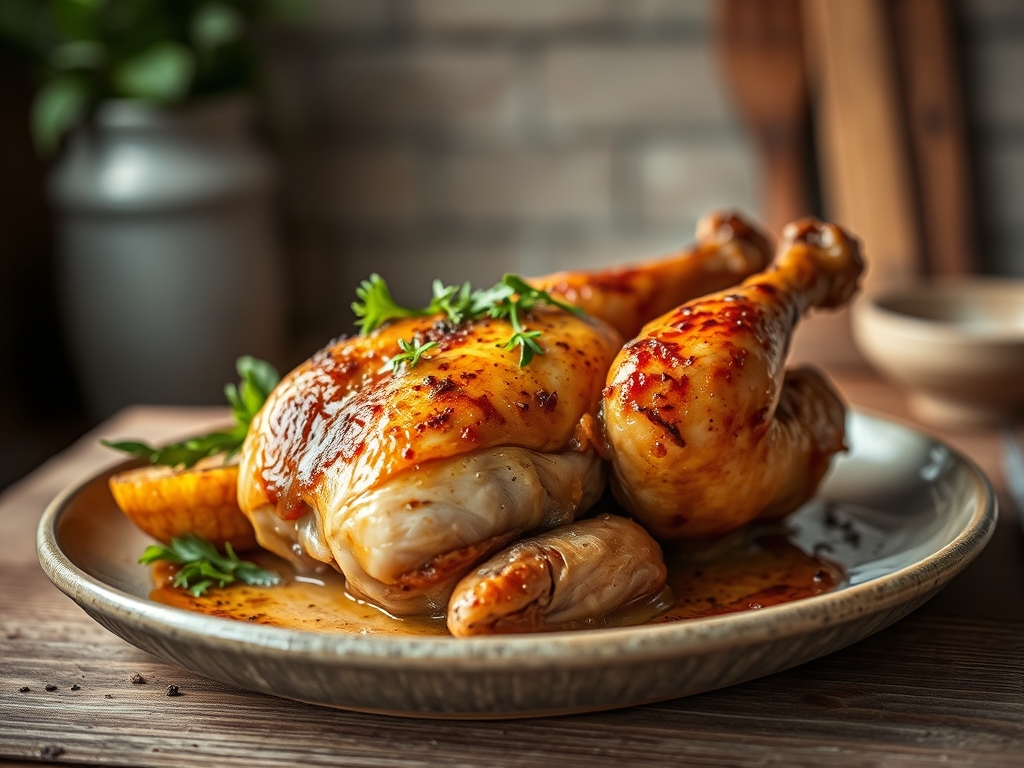
Imagine the sound of cold poultry hitting a searing heavy-bottomed skillet; it is a violent, beautiful hiss that signals the start of a culinary transformation. When you master half a chicken recipes, you are not just making dinner; you are balancing the delicate physics of white and dark meat on a single plane. It is the perfect middle ground for a solo feast or a romantic duo.
The beauty of the split bird lies in its geometry. Unlike a whole chicken, which often suffers from the "breast is dry, leg is raw" syndrome, a half chicken lays flat. This allows for even heat distribution and maximum skin-to-metal contact. We are looking for that shattering, glass-like skin and meat that yields at the slightest suggestion of a fork. Whether you are roasting, braising, or grilling, the goal is a harmonious render of subcutaneous fat that bastes the meat from within. Grab your apron and your favorite tongs; we are about to turn a simple bird into a technical masterpiece of flavor and texture.
The Gathers:
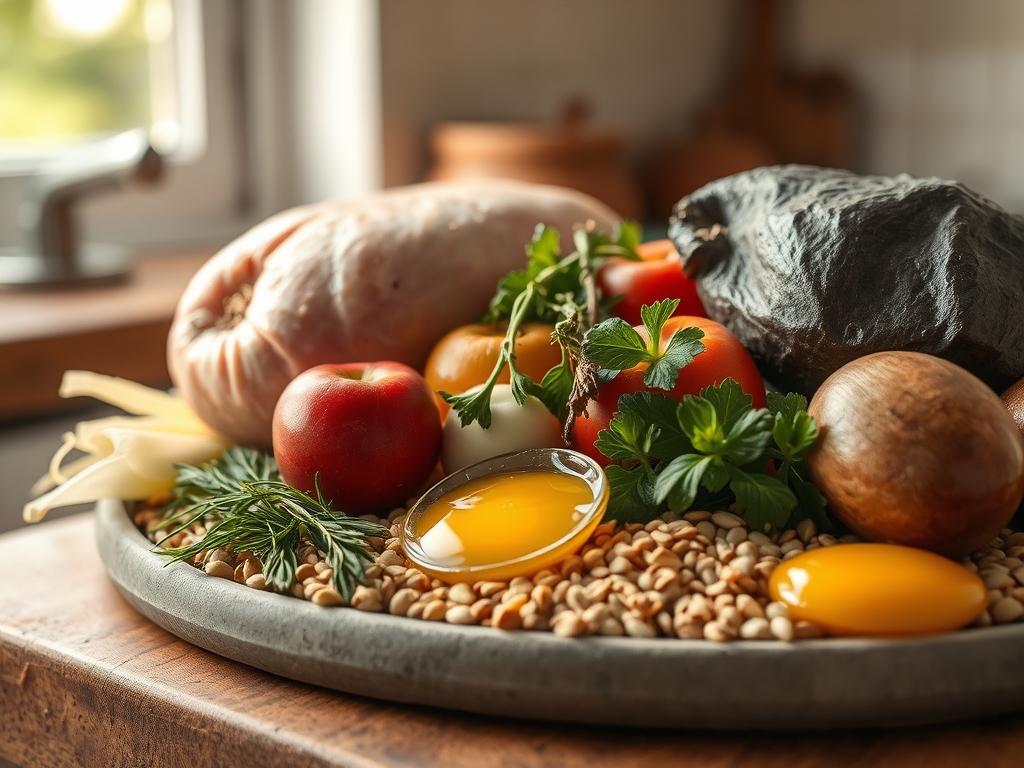
To execute these half a chicken recipes with precision, your mise-en-place must be intentional. Start with a high-quality bird, ideally air-chilled to ensure the skin is not water-logged, which inhibits the Maillard reaction. You will need a viscous fat source like clarified butter or avocado oil; these have high smoke points that allow for aggressive searing without acrid bitterness.
Your aromatics should be pungent and fresh. Think of woody herbs like rosemary and thyme, which contain essential oils that infuse the fat during the rendering process. Use a microplane to zest citrus or grate garlic into a fine paste; this increases the surface area, allowing the flavors to penetrate the protein fibers more deeply. A heavy dose of kosher salt is non-negotiable, as it acts as a dry brine, denaturing the proteins to lock in moisture.
Smart Substitutions:
If you lack fresh herbs, a high-quality dried oregano can provide a piquant punch, but use half the volume. No clarified butter? Use a mix of neutral oil and a small knob of cold unsalted butter at the very end to baste. If you are avoiding nightshades, swap paprika for ground turmeric and a touch of cumin to achieve a golden, earthy crust.
The Clock:
Efficiency in the kitchen is all about the Chef's Flow. For most half a chicken recipes, you are looking at a total commitment of about 50 to 60 minutes.
- Prep (15 Minutes): This includes patting the bird bone-dry (moisture is the enemy of crispiness), seasoning, and allowing the meat to lose its refrigerator chill.
- Active Cooking (35-45 Minutes): This varies by method, but generally involves a high-heat sear followed by a moderate-heat finish to ensure the internal temperature reaches a safe and succulent 165 degrees Fahrenheit.
- Resting (10 Minutes): This is the most "active" waiting you will ever do. It allows the muscle fibers to relax and reabsorb the juices.
The Masterclass:
1. The Dry Brine and Prep
Before the bird ever sees a flame, you must ensure the skin is parchment-dry. Use a digital scale to measure your salt if you want to be truly scientific; 1.5% of the meat's weight is the "golden ratio" for seasoning. Rub the salt under the skin to directly contact the flesh.
Pro Tip: This process utilizes osmosis. Salt draws moisture out, creates a concentrated brine, and then the meat reabsorbs that seasoned liquid, seasoning the bird all the way to the bone.
2. The High-Heat Sear
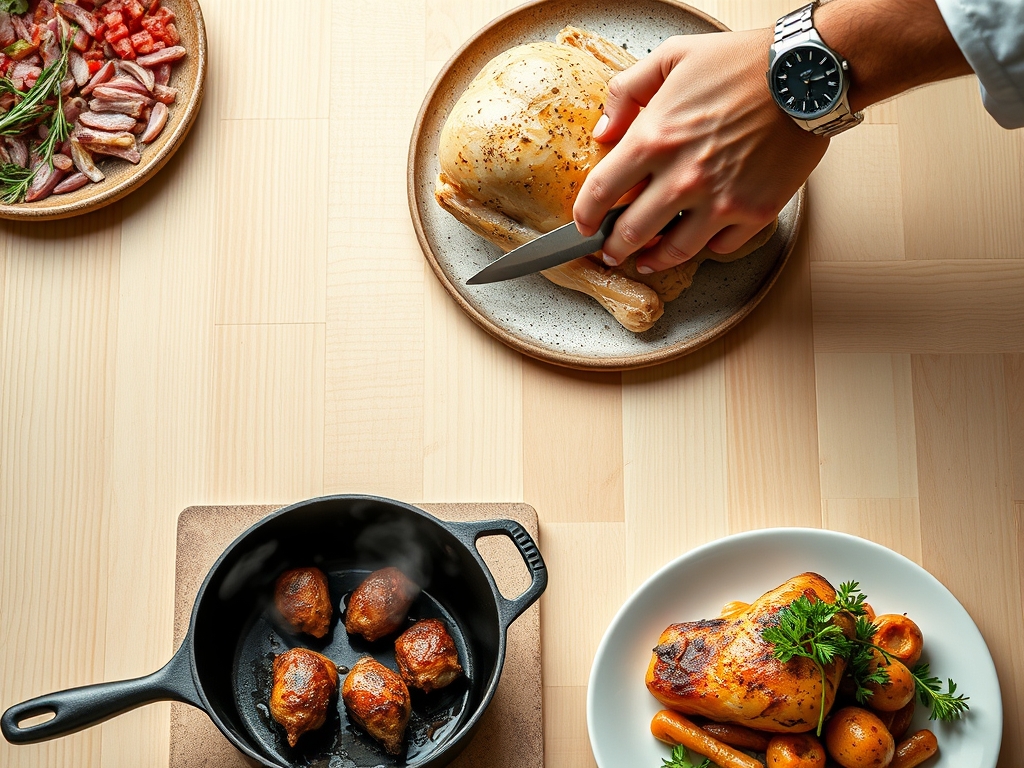
Place your heavy-bottomed skillet over medium-high heat until the oil shimmers. Lay the chicken skin-side down, moving it away from your body to avoid splashes. Use a weight or a second heavy pan to press the chicken down, ensuring every millimeter of skin touches the heat.
Pro Tip: This is where enzymatic browning occurs. By applying physical pressure, you ensure even heat transfer, preventing the skin from curling and creating "steamed" pale spots.
3. The Deglaze and Infuse
Once the skin is golden and releases easily from the pan, flip it. Toss in your smashed garlic cloves and herb sprigs. As the fat renders, use a large spoon to baste the hot, flavored fat over the cooked skin. If the pan looks dry, add a splash of white wine or stock to deglaze the brown bits (fond) from the bottom.
Pro Tip: Deglazing uses a liquid to dissolve the caramelized proteins stuck to the pan, creating the base for a highly viscous and flavorful pan sauce.
4. The Gentle Finish
Move the skillet into a preheated oven at 400 degrees Fahrenheit. This ambient heat will cook the interior of the meat without burning the exterior. Use a digital probe thermometer to monitor the thickest part of the thigh.
Pro Tip: Aim to pull the chicken at 160 degrees. Thermal carryover will cause the internal temperature to rise the final 5 degrees while the bird rests on the cutting board.
5. The Rest and Carve
Transfer the chicken to a warm plate. Do not tent it tightly with foil, as this will trap steam and soften that hard-earned crispy skin. Let it sit for at least ten minutes before using a sharp chef's knife to separate the leg from the breast.
Pro Tip: Resting allows the viscosity of the internal juices to increase as they cool slightly, preventing them from rushing out onto the board when you slice.
The Deep Dive:
When we look at the macro nutrition of half a chicken recipes, you are getting a powerhouse of lean protein and essential fats. A standard half-chicken provides roughly 60 to 80 grams of protein, making it an elite choice for muscle recovery.
Dietary Swaps:
- Keto: Stick to the plan; chicken and healthy fats are your best friends.
- GF: Ensure any thickeners used in your pan sauce are cornstarch or arrowroot rather than flour.
- Vegan: While you can't "half" a plant in the same way, you can apply the searing and basting techniques to a large "steak" of cauliflower or a halved head of cabbage for a similar textural experience.
The Fix-It:
- Soggy Skin: Your pan wasn't hot enough or you crowded it. Fix: Flash it under a high broiler for 60 seconds.
- Dry Breast: You overshot the temperature. Fix: Slice it thin and submerge it briefly in a warm, flavorful saucier of chicken stock and butter.
- Raw Near the Bone: This happens with thick joints. Fix: Return the piece to the pan, bone-side down, with a lid for 3 minutes to create a mini-steamer effect.
Meal Prep:
To maintain "day-one" quality, reheat your chicken in an air fryer or toaster oven at 350 degrees. This re-crisps the skin. Avoid the microwave, which turns the skin into rubber and toughens the protein fibers.
The Wrap-Up:
Mastering half a chicken recipes is a rite of passage for any home cook who wants to bridge the gap between "making food" and "culinary art." It requires patience, a bit of scientific understanding, and the right tools. Once you hear that crunch and taste the succulent, herb-infused meat, you will never go back to basic boneless breasts again. Now, get into that kitchen and make some magic happen!
The Kitchen Table:
How do I get the skin extra crispy?
Pat the skin bone-dry with paper towels and salt it at least an hour before cooking. This removes surface moisture, allowing the fat to render efficiently and the skin to dehydrate into a thin, crunchy layer.
Can I cook half a chicken from frozen?
It is not recommended. For the best texture and safety, thaw the chicken completely in the refrigerator. Cooking from frozen leads to uneven heat distribution; the outside will overcook and dry out before the center reaches a safe temperature.
What is the best way to reheat leftovers?
Avoid the microwave at all costs. Reheat your chicken in an air fryer or a 350-degree oven for about 10 minutes. This helps the skin regain its crispness without turning the meat into a rubbery texture.
Is it better to roast or pan-sear?
A hybrid approach is best. Start with a hard pan-sear to develop color and texture through the Maillard reaction, then finish in the oven to ensure the thickest parts of the bird cook through evenly without burning the skin.