
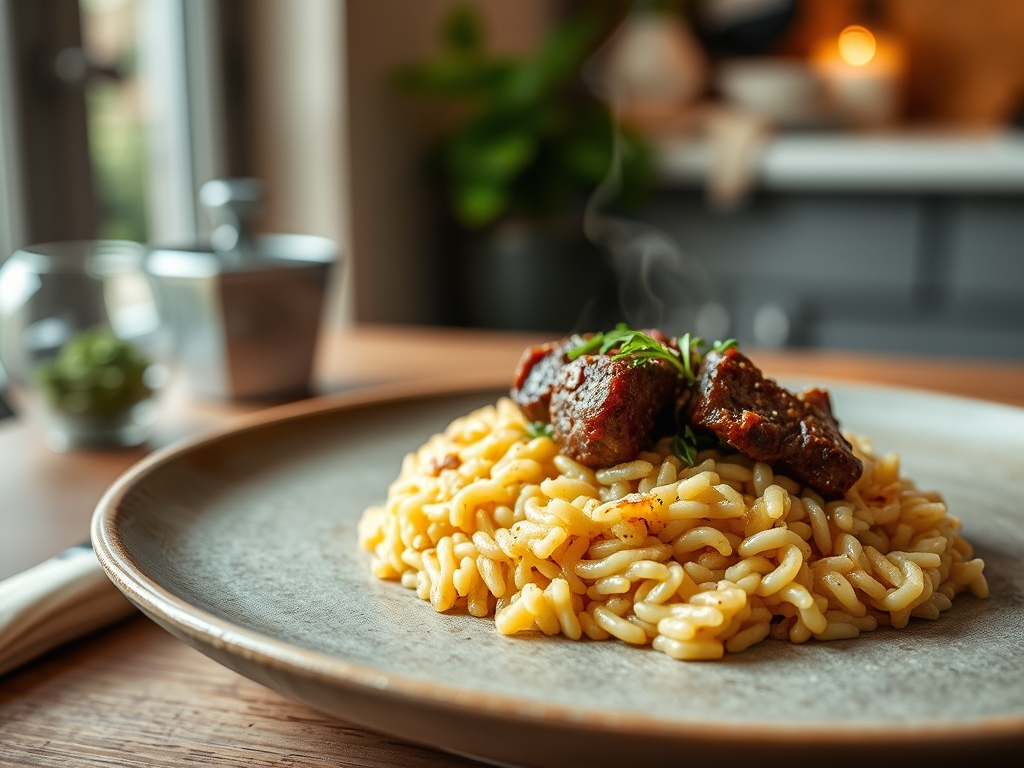
Picture a quiet evening where the air smells of toasted grain and seared fat. There is a specific kind of magic that happens when you combine the rustic soul of a slow-cooked roast with the sophisticated, velvet embrace of a classic Italian starch. When exploring risotto beef recipes, you are not just making dinner; you are conducting a symphony of starch and protein. The perfect risotto is a paradox. It must be fluid yet firm, rich yet balanced, and deeply savory without feeling heavy. We are chasing that elusive "all'onda" texture, where the rice moves like a gentle wave when you tilt the plate. This is the ultimate comfort food for the discerning palate. It requires patience, a bit of wrist action, and a deep understanding of how heat transforms simple grains into a creamy masterpiece. Grab your favorite heavy-bottomed pot and a glass of crisp white wine. We are about to dive into the molecular secrets that turn standard home cooking into a five-star dining experience.
The Gathers:
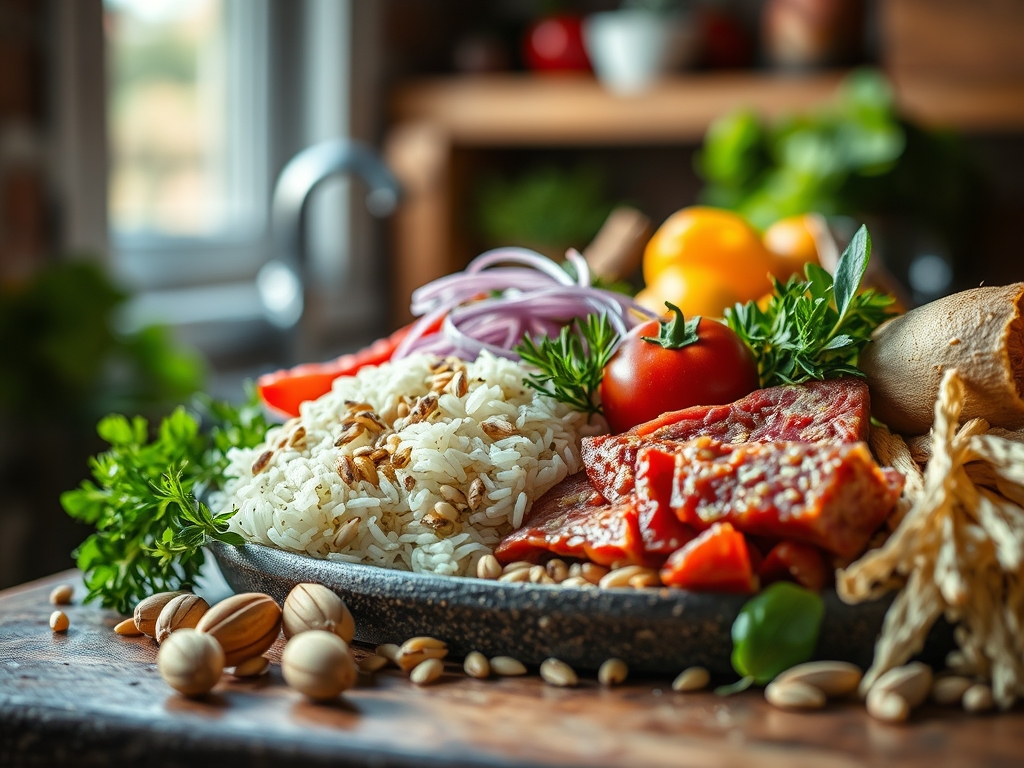
To achieve a professional result, your mise-en-place must be impeccable. We start with the foundation: Arborio or Carnaroli rice. These varieties are high in amylopectin, the specific starch responsible for that signature creamy mouthfeel. For the beef, look for a cut with significant intramuscular fat, such as a well-marbled ribeye or a tender filet mignon. You will need a high-quality beef bone broth, filtered and kept at a low simmer in a separate saucier.
The aromatic profile relies on finely minced shallots and garlic, which provide a delicate sulfurous backbone without overpowering the beef. For the fat, we use a combination of unsalted European-style butter for its high butterfat content and a splash of extra-virgin olive oil to raise the smoke point. You will also need a dry, acidic white wine like Pinot Grigio to deglaze the pan and brighten the flavor profile. Finish the dish with freshly grated Parmigiano-Reggiano and a handful of bright herbs like thyme or rosemary.
Smart Substitutions:
If you cannot find Carnaroli, Vialone Nano is a fantastic alternative that absorbs liquid exceptionally well. For a lighter version, you can swap the beef broth for a rich mushroom stock to maintain that earthy umami. If you are avoiding alcohol, a splash of verjus or a tablespoon of white wine vinegar diluted in water provides the necessary acidity to cut through the richness of the fats.
The Clock:
The "Chef's Flow" for this recipe is all about rhythmic timing. Expect about 15 minutes of active prep time, focusing on precision knife work for your aromatics. The actual cooking process takes approximately 25 to 30 minutes. Unlike a stew that you can walk away from, risotto demands your presence. You are essentially massaging the starch out of the rice through consistent agitation. Total time from first chop to first bite is roughly 45 minutes.
The Masterclass:
1. The Maillard Sear
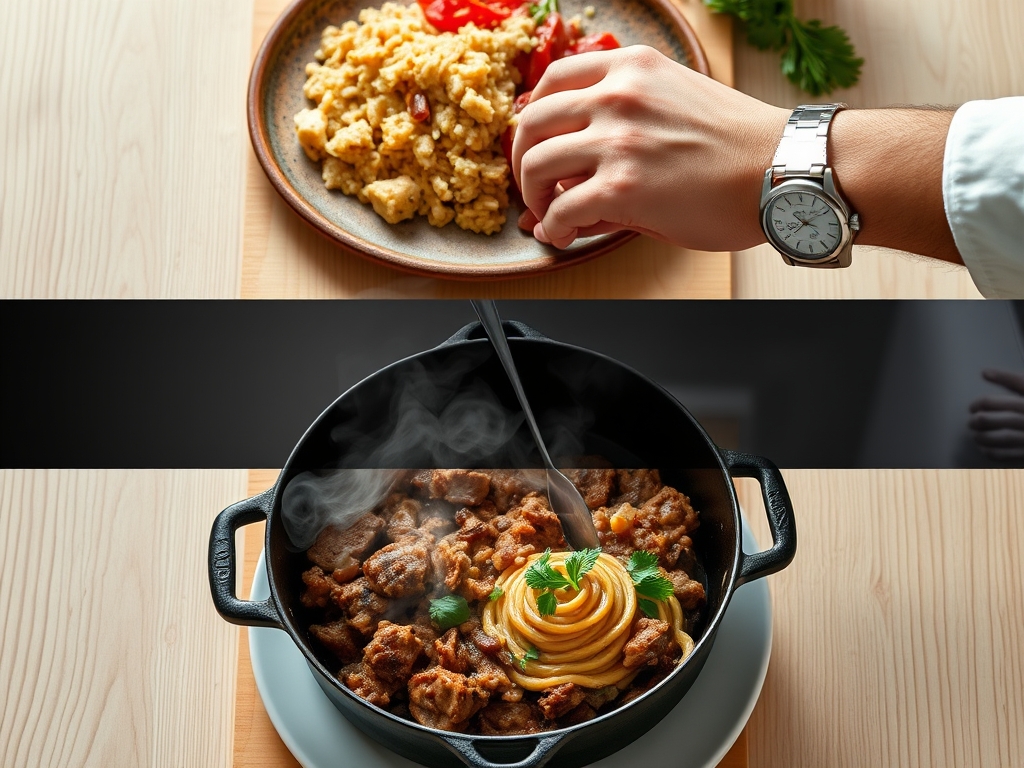
Start by patting your beef cubes completely dry with a paper towel. Heat a heavy-bottomed skillet over medium-high heat with a touch of oil. Sear the beef in small batches to ensure the surface temperature of the pan does not drop.
Pro Tip: This relies on the Maillard reaction, a chemical reaction between amino acids and reducing sugars that creates complex flavor compounds. If the pan is crowded, the meat will steam instead of sear, losing that deep, savory crust.
2. The Soffritto Foundation
In your main risotto pot, melt half the butter and sauté the shallots until translucent. Use a silicone spatula to ensure no bits stick to the corners.
Pro Tip: This stage is about sweating, not browning. You want to break down the cellular structure of the aromatics to release their sweetness without introducing the bitter notes associated with burnt garlic.
3. The Tostatura (Toasting the Grain)
Add the rice to the pot and stir vigorously for two minutes until the edges of the grains become translucent while the centers remain opaque.
Pro Tip: Toasting the rice creates a protective shell around each grain. This prevents the rice from becoming "mushy" and ensures it maintains an al dente bite even as the exterior starch sloughs off into the sauce.
4. The Deglaze
Pour in the white wine and stir until the liquid has almost completely evaporated. Use your spatula to scrape up any browned bits (fond) left from the aromatics.
Pro Tip: The acidity in the wine acts as a flavor bridge. It helps to solubilize the fats and provides a bright counterpoint to the heavy proteins coming later.
5. The Incremental Hydration
Add the warm beef broth one ladle at a time. Stir constantly and wait until the liquid is absorbed before adding the next ladle.
Pro Tip: This mechanical agitation is essential for starch gelatinization. By stirring, you are physically rubbing the amylopectin off the surface of the rice, which creates the viscous sauce that defines the dish.
6. The Beef Integration
When the rice is about five minutes away from being finished, fold the seared beef back into the pot.
Pro Tip: This allows for thermal carryover, gently finishing the beef to a perfect medium-rare while the juices infuse directly into the rice grains.
7. The Mantecatura (The Finish)
Remove the pot from the heat. Vigorously stir in the remaining cold butter and the grated cheese.
Pro Tip: This is an emulsification process. By using cold butter and off-heat stirring, you create a stable emulsion of fat and water that results in a glossy, creamy finish rather than a greasy one.
8. The Aeration
Cover the pot and let it rest for exactly two minutes before serving.
Pro Tip: Resting allows the moisture to redistribute evenly through the grains. It also lets the flavors marry, ensuring every bite is a cohesive experience rather than a collection of separate ingredients.
9. The Final Seasoning
Use a microplane to zest a tiny bit of lemon over the top and add a final crack of black pepper.
Pro Tip: A tiny amount of citrus zest acts as a "high note" in the flavor profile. It doesn't make the dish taste like lemon; it simply makes the beef taste more like beef.
The Deep Dive:
Macro Nutrition:
A standard serving of beef risotto provides a balanced profile of complex carbohydrates and high-quality protein. On average, expect about 450 to 550 calories per serving, with 25 grams of protein and 15 grams of healthy fats. It is a dense, high-energy meal.
Dietary Swaps:
For a Keto version, replace the rice with riced cauliflower, though you will need to add a touch of xanthan gum to mimic the starch viscosity. For Vegan guests, use a mushroom dashi, olive oil, and nutritional yeast instead of beef and dairy. This recipe is naturally Gluten-Free, provided your broth is certified.
The Fix-It:
- Too Salty: Do not add more water; instead, stir in a teaspoon of mascarpone or heavy cream to mask the sodium.
- Gummy Texture: This usually means you over-stirred or used too much heat. Next time, keep the simmer low and gentle.
- Crunchy Centers: Your broth wasn't hot enough. Always keep your liquid at a low simmer so the rice temperature doesn't fluctuate.
Meal Prep & Reheating:
Risotto is notoriously difficult to reheat because the starch continues to absorb moisture. To restore "day-one" quality, add a splash of broth or water to a cold pan and reheat the risotto slowly over low heat, stirring constantly to re-emulsify the sauce.
The Wrap-Up:
Mastering risotto beef recipes is a rite of passage for any home cook. It is a dish that rewards focus and technique over expensive gadgets. By understanding the science of starch and the power of the Maillard reaction, you can transform humble ingredients into a plate of pure, unadulterated luxury. Go forth, stir with confidence, and enjoy the velvet results.
The Kitchen Table:
Which beef cut is best for risotto?
Choose well-marbled cuts like ribeye or sirloin tips. These provide enough fat to remain tender during the high-heat searing process and integrate beautifully with the creamy texture of the rice without becoming chewy or dry.
Can I use pre-cooked beef?
Yes, but add it at the very end during the mantecatura stage. This ensures the beef is warmed through without becoming overcooked or losing its structural integrity within the hot, starchy rice mixture.
Why must the broth be hot?
Adding cold broth shocks the rice and stops the cooking process. Keeping the broth at a simmer ensures the grains maintain a consistent temperature, which is vital for the steady release of starch and even cooking.
How do I know when it is done?
The rice should be al dente, meaning it has a slight resistance in the center. The consistency should be "soupy" enough to spread across the plate when tapped, rather than sitting in a stiff, dry clump.