
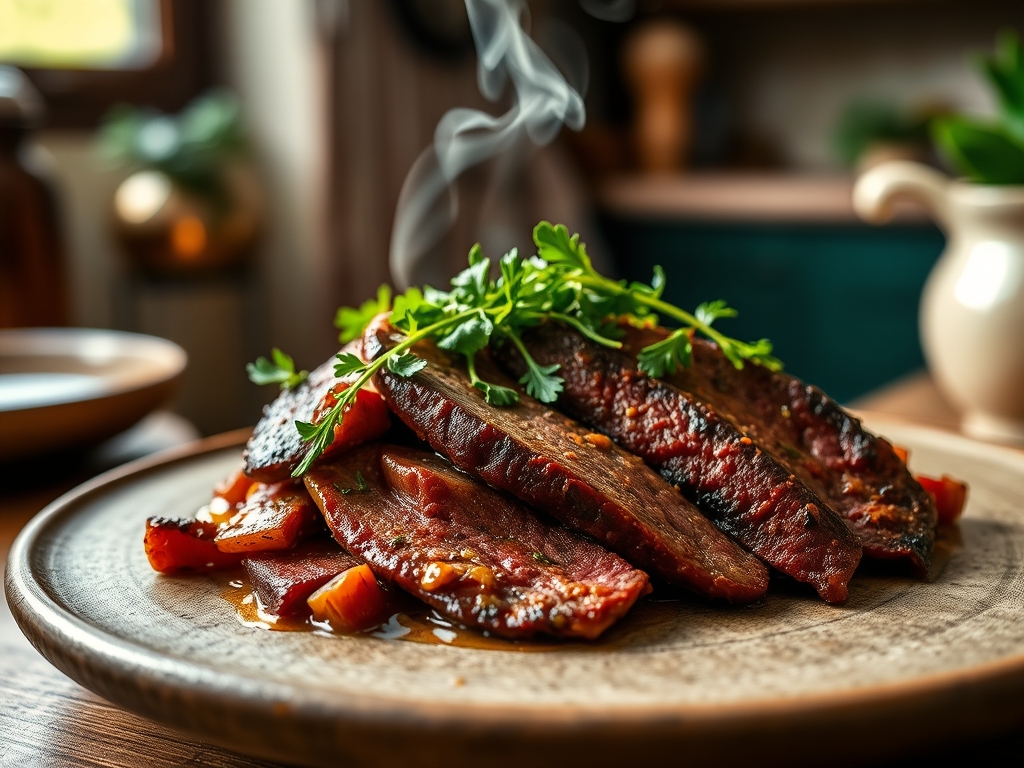
Imagine walking into your grandmother's kitchen at noon on a Saturday. The air is thick with the scent of toasted cumin and rendered fat. You are about to discover why puerto rican corned beef recipes are the ultimate comfort food. This is not just a canned meat dish; it is a masterclass in flavor layering and texture management. We are taking a humble pantry staple and transforming it into a piquant, savory masterpiece that tastes like a tropical hug. Most people treat this dish as a quick fix, but we are going to treat it like fine dining. By the time we are done, you will understand the molecular magic that happens when sofrito meets a heavy-bottomed skillet. We are aiming for that perfect balance of salty, sweet, and acidic. This is the meal that fuels generations. It is time to elevate your kitchen game and master the secrets that make this dish legendary across the island.
The Gathers:
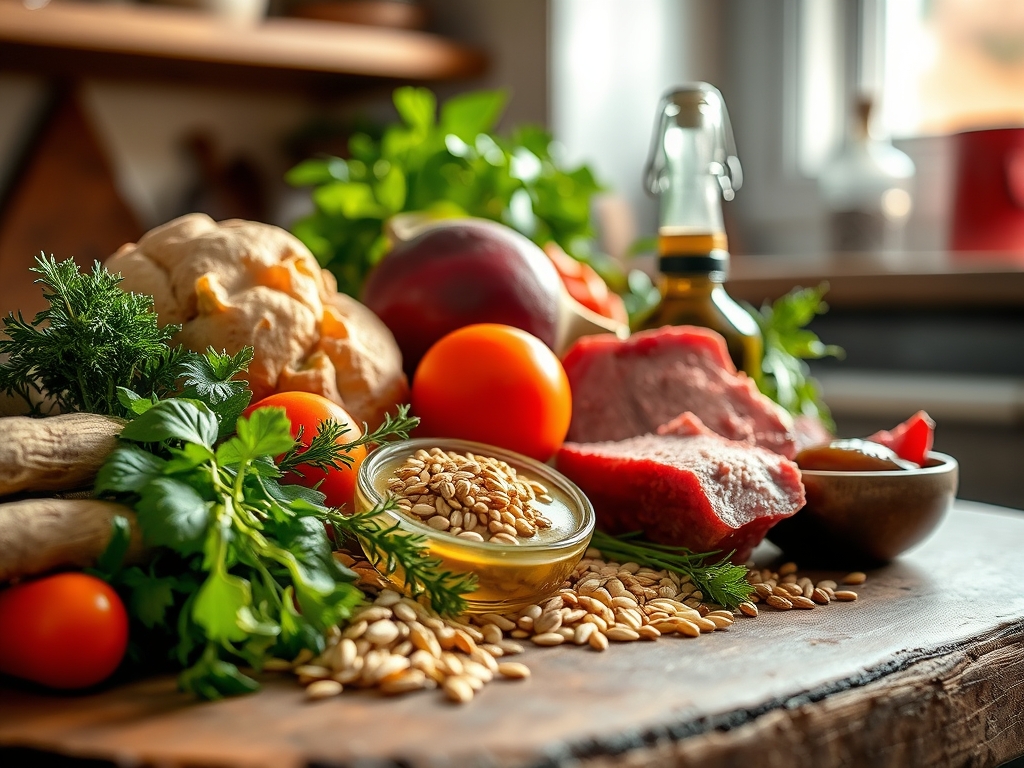
To achieve a professional-grade result, your mise-en-place must be precise. Start with a high-quality 12-ounce can of corned beef. Look for brands with a lower water content to ensure a better Maillard reaction during the searing phase. You will need two medium Yukon Gold potatoes, diced into half-inch cubes. These are superior to Russets because their waxy texture holds up during the simmering process without turning into a mealy paste.
The aromatic base requires half a cup of sofrito. If you are making it fresh, use a high-speed blender to ensure the culantro and ajices dulces are fully emulsified. You will also need a small yellow onion, finely minced with a sharp chef knife to ensure even sweating. Grab a small jar of manzanilla olives; the brine is a secret weapon for adding a viscous, salty depth to the sauce. For the liquid element, an eight-ounce can of tomato sauce provides the necessary acidity to cut through the richness of the beef tallow.
Smart Substitutions: If you cannot find ajices dulces, a combination of green bell pepper and a pinch of habanero (seeds removed) can mimic that floral heat. For a lower sodium profile, swap the olives for capers rinsed in cold water. If you are out of potatoes, diced pumpkin or calabaza squash offers a beautiful sweetness that complements the saltiness of the beef.
The Clock
Efficiency in the kitchen is about the Chef's Flow. Total preparation time is approximately 10 minutes, mostly focused on the precision dicing of your aromatics and potatoes. The actual cooking time spans 25 to 30 minutes.
The first 5 minutes are dedicated to the rendering of the beef fat and the initial sear. The next 10 minutes involve sweating the aromatics and blooming the spices. Finally, a 15-minute simmer allows the potatoes to reach fork-tender perfection while the sauce reduces to a thick, coat-the-back-of-a-spoon consistency. Using a digital timer is recommended to prevent over-reduction, which can lead to an overly salty final product.
The Masterclass
1. The Potato Par-Fry
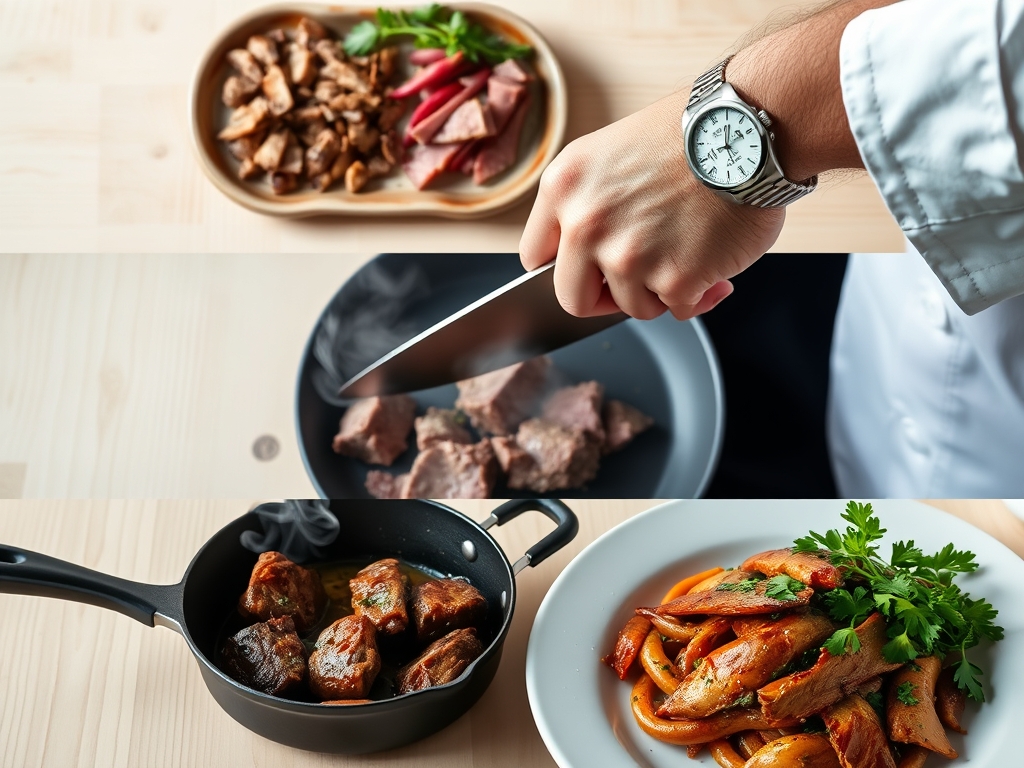
Heat two tablespoons of neutral oil in your heavy-bottomed skillet over medium-high heat. Add the diced potatoes and cook until the edges are golden brown.
Pro Tip: This creates a structural barrier through starch gelatinization. By frying the exterior first, you prevent the potatoes from disintegrating into the sauce later, ensuring a distinct textural contrast in every bite.
2. Rendering the Beef
Push the potatoes to the perimeter and add the corned beef to the center. Use a stiff silicone spatula or a wooden spoon to break the meat into small crumbles.
Pro Tip: Do not stir immediately. Allow the meat to sit undisturbed for two minutes to encourage enzymatic browning. This develops complex flavor compounds that raw, steamed corned beef simply lacks.
3. Blooming the Aromatics
Incorporate the onions and sofrito into the rendered fat. Stir constantly to ensure the garlic in the sofrito does not burn, which would introduce a bitter alkaloid flavor.
Pro Tip: This process is called blooming. Fat-soluble flavor compounds in the peppers and herbs are released more effectively in hot oil than in water, creating a more intense aromatic profile.
4. Deglazing and Infusing
Pour in the tomato sauce and a splash of olive brine. Use your spatula to scrape up any browned bits (the fond) from the bottom of the pan.
Pro Tip: Deglazing incorporates the concentrated flavors stuck to the pan back into the sauce. The acidity in the tomato sauce helps dissolve these proteins, enriching the overall savoriness of the dish.
5. The Low and Slow Simmer
Reduce the heat to low and cover the skillet. Let the mixture simmer until the potatoes are tender when pierced with a fork.
Pro Tip: This stage utilizes convection heat to cook the potatoes evenly. The enclosed environment prevents moisture loss, ensuring the beef remains succulent rather than drying out into tough fibers.
6. The Final Emulsification
Remove the lid and stir in the olives and a handful of chopped cilantro. Increase the heat slightly for two minutes to tighten the sauce.
Pro Tip: This final reduction creates a glossy emulsion between the rendered fats and the tomato base. It ensures the sauce clings to the rice rather than running off the plate.
7. The Resting Phase
Turn off the heat and let the pan sit for three minutes before serving.
Pro Tip: This allows for thermal carryover. The residual heat finishes cooking the center of the potatoes while the flavors settle and harmonize, making the first bite as impactful as the last.
The Deep Dive
From a macro nutrition perspective, this dish is a powerhouse of protein and fats. A standard serving contains approximately 25 grams of protein and 30 grams of fat. While high in sodium, it provides significant iron and zinc.
Dietary Swaps: For a Keto version, replace the potatoes with cauliflower florets or radishes; they mimic the texture without the glycemic load. Vegan enthusiasts can utilize soy-based crumbles or finely chopped walnuts and mushrooms sautéed with liquid smoke and extra salt to replicate the cured flavor. For Gluten-Free diners, ensure your canned beef and tomato sauce are certified, as some thickeners contain wheat derivatives.
The Fix-It:
- Too Salty: If the reduction went too far, stir in a tablespoon of unsweetened coconut milk or a splash of water to dilute the minerals without losing the body.
- Too Greasy: If the beef rendered more fat than expected, use a rolled-up paper towel held by tongs to carefully blot the surface of the sauce.
- Potatoes are Crunchy: If the sauce is thick but potatoes are hard, add 1/4 cup of warm broth and cover the pan for an extra five minutes to steam them through.
Meal Prep: To maintain "day-one" quality, reheat leftovers in a saucier over low heat with a tablespoon of water. This re-hydrates the starches in the potatoes and prevents the fats from separating and becoming oily in the microwave.
The Wrap-Up
Mastering puerto rican corned beef recipes is about respecting the chemistry of the ingredients. You have transformed a shelf-stable protein into a gourmet experience by focusing on temperature control and aromatic infusion. Whether you serve this over a bed of fluffy white rice or stuffed inside a warm mallorca bun, you are carrying on a rich culinary tradition. Now, grab your microplane for a little lime zest over the top and enjoy the fruits of your labor. You have officially leveled up your kitchen status!
The Kitchen Table
Can I make this in a slow cooker?
Yes, but you must sear the beef and aromatics in a skillet first. Transfer to the slow cooker and cook on low for four hours. This ensures the Maillard reaction occurs, providing the necessary depth of flavor.
Why are my potatoes always mushy?
You likely skipped the par-frying step or used a starchy Russet potato. Stick to Yukon Gold or red potatoes and sear them before simmering to lock in their structural integrity and prevent a grainy texture.
How long does this stay fresh in the fridge?
When stored in an airtight container, it lasts for three to four days. The flavors actually deepen overnight as the spices continue to infuse the fats, making leftovers arguably better than the initial meal.
What is the best rice to serve this with?
Long-grain white rice or Arroz con Gandules are the traditional choices. The rice acts as a neutral base that absorbs the piquant sauce, balancing the high sodium and fat content of the corned beef perfectly.