
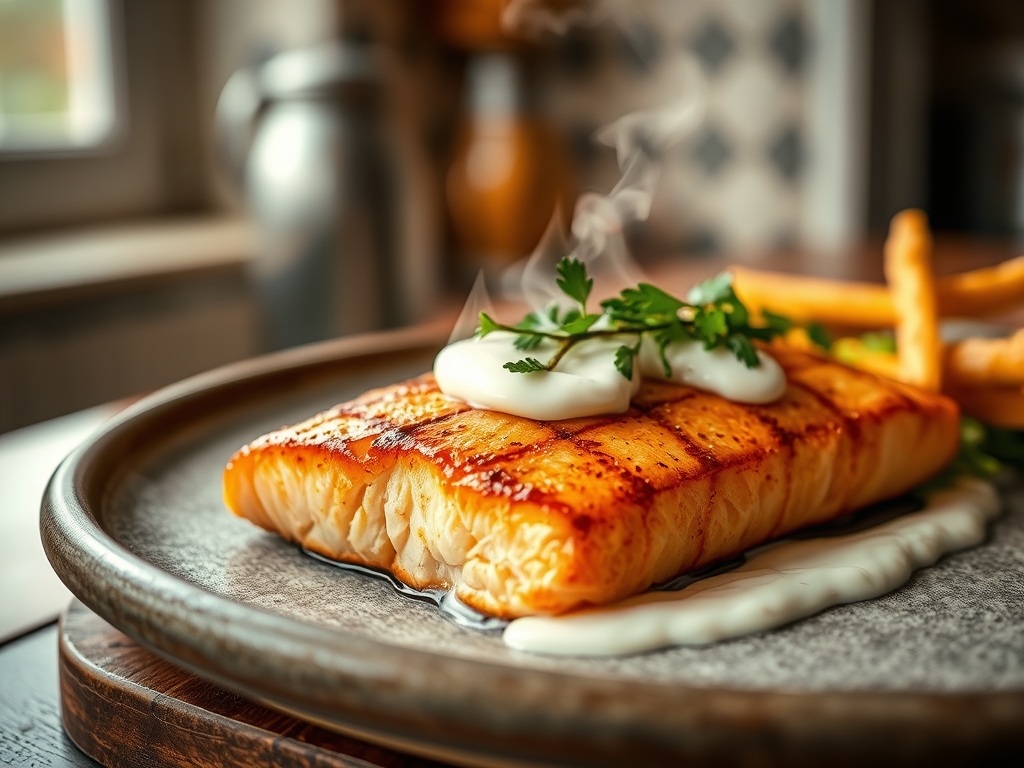
Imagine the hiss of cold protein hitting a scorching grate; it is a sound that usually signals a battle against sticking. However, when you master grilled salmon recipes with mayonnaise, that anxiety vanishes. The egg yolks and oil create a protective, heat-conductive barrier that yields a crust so golden it defies logic. This is not just dinner; it is an exercise in perfect chemistry.
We are diving deep into why this humble pantry staple is actually a culinary powerhouse. Forget the heavy, gloopy salads of the past. We are talking about using mayo as a high-heat conductor and a flavor carrier that ensures your fish stays succulent. Whether you are a seasoned griller or a kitchen novice, these hacks will transform your approach to seafood forever. Grab your apron and your favorite tongs; we are about to make magic happen on the grill.
The Gathers:
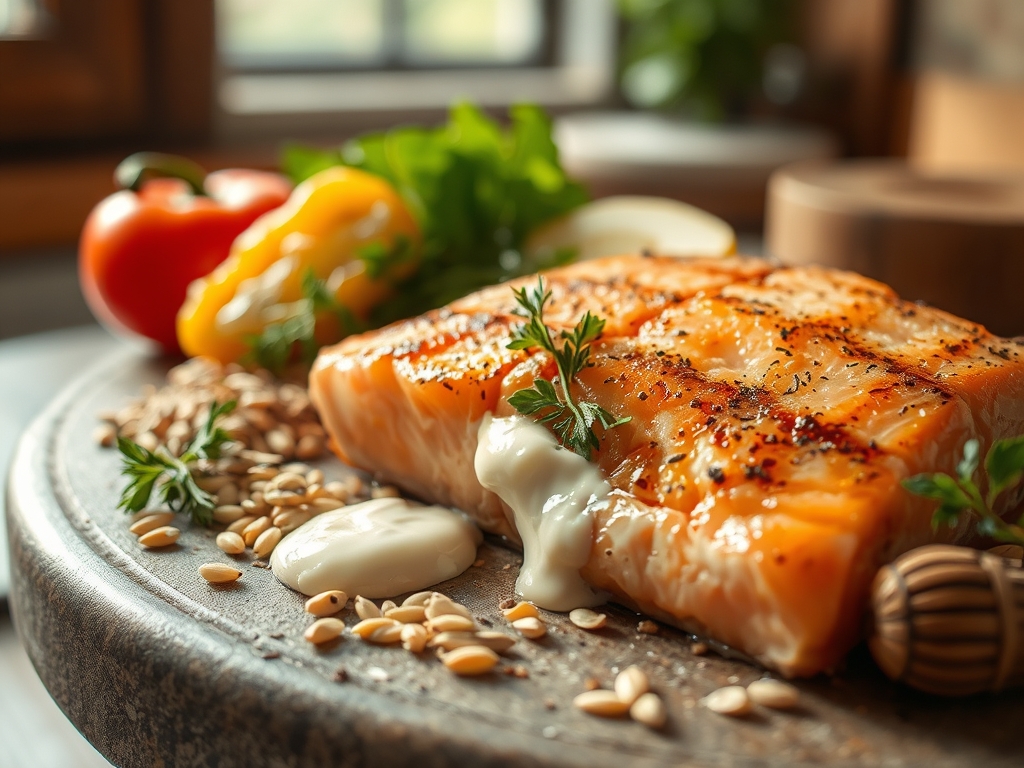
To achieve the perfect sear, your mise-en-place must be precise. Start with center-cut fillets, ideally six to eight ounces each. You will need a high-quality, full-fat mayonnaise; the emulsion of oil, egg yolk, and acid is what provides the viscous coating necessary for the Maillard reaction. Freshness is paramount, so gather vibrant dill, a heavy-handed amount of garlic, and lemons that feel heavy for their size, indicating a high juice content.
Your toolkit is just as vital as your ingredients. Ensure you have a microplane for zesting, a digital scale for consistent portioning, and a saucier if you plan to whisk together a warm lemon-butter side. For the "Smart Substitutions," if you are out of mayo, a thick Greek yogurt can work, though it lacks the oil content for that specific crust. If you need a dairy-free profile, avocado oil-based mayo offers a high smoke point that performs beautifully under intense heat.
The Clock
Efficiency in the kitchen is about the Chef's Flow. Prep time should take no more than fifteen minutes; this includes patting the fish dry and mixing your rub. The cooking phase is rapid, usually between eight to twelve minutes depending on thickness. You must factor in a five-minute resting period. This allows the muscle fibers to relax and reabsorb juices, ensuring the first bite is as moist as the last. Total time from fridge to table is roughly thirty minutes.
The Masterclass
1. The Desiccation Phase
Before any sauce touches the fish, use a paper towel to remove every trace of surface moisture. Moisture is the enemy of the sear; if the fish is damp, it will steam rather than crust.
Pro Tip: This prevents the formation of a steam barrier. By removing water, you allow the fats in the mayonnaise to directly contact the protein, accelerating the enzymatic browning known as the Maillard reaction.
2. The Emulsion Application
Slather a thin, even layer of your seasoned mayonnaise over the top and sides of the fillet. You are looking for a translucent coat, not a thick blanket.
Pro Tip: Mayonnaise is a stable emulsion. The egg yolks act as a natural "glue" for your herbs and spices, while the oil creates a non-stick surface that is more effective than brushing the grill grates alone.
3. The High-Heat Contact
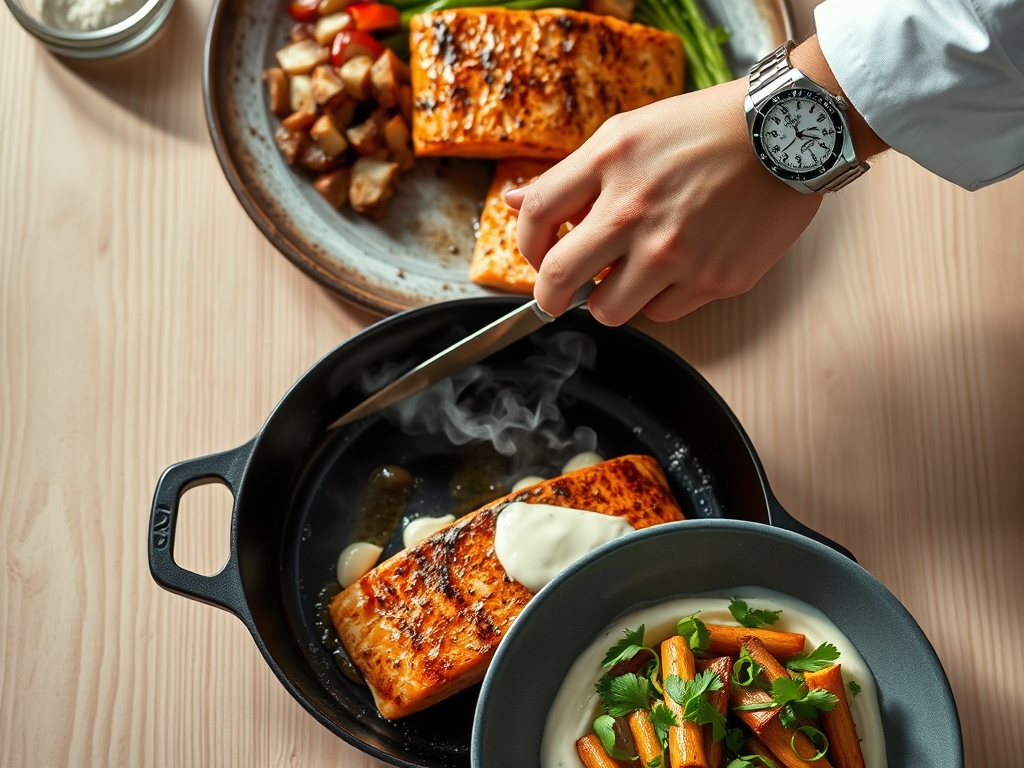
Place the salmon skin-side down first on a preheated grill. Use heavy-bottomed skillet inserts if you are working over an open flame to ensure even heat distribution.
Pro Tip: Heat moves through the skin and creates a thermal buffer. This protects the delicate flesh from toughening while the fat beneath the skin begins to render, providing natural basting.
4. The Flip and Sear
Carefully flip the fish using a wide spatula or specialized fish tongs. The mayo-coated side should now be in direct contact with the heat.
Pro Tip: The sugars and proteins in the mayo caramelize almost instantly. This creates a savory crust that seals in the internal moisture, preventing the albumin (the white protein) from leaking out.
5. The Internal Temperature Check
Use a digital thermometer to pull the salmon when it reaches 130 degrees Fahrenheit.
Pro Tip: Account for thermal carryover. The internal temperature will continue to rise by about five degrees after you remove it from the heat. Pulling it early ensures a buttery, medium-rare center.
The Deep Dive
From a nutritional standpoint, salmon is a powerhouse of Omega-3 fatty acids. While mayonnaise adds a few grams of fat, it is primarily unsaturated if you choose an avocado or olive oil base. For those on a Keto diet, this method is a goldmine for healthy fats. If you are vegan, high-quality plant-based mayos react similarly due to their starch and oil emulsions.
Even experts hit snags. If your fish is sticking, it is likely because the grill wasn't hot enough or you flipped too early; the fish will "release" naturally once the crust forms. If the mayo is breaking and looking greasy, your heat is too low, causing the emulsion to separate before it can sear. Finally, if the exterior is burnt but the inside is raw, move the fish to an indirect heat zone to finish.
For meal prep, reheating salmon is a delicate science. Avoid the microwave, which vibrates water molecules and toughens the protein. Instead, use a low-temperature oven (275 degrees) with a splash of water covered in foil to infuse the air with moisture, reviving the "day-one" flake.
The Wrap-Up
Mastering grilled salmon recipes with mayonnaise is like unlocking a secret level in a video game. You get better texture, deeper flavor, and a foolproof way to prevent sticking. It is witty, it is smart, and it is scientifically backed. Once you see that golden-brown crust and taste the difference a stable emulsion makes, you will never go back to plain oil again. Now, go fire up that grill and show off your new technical prowess!
The Kitchen Table
Does the salmon taste like mayonnaise after grilling?
No. The heat breaks down the mayo, leaving behind a rich, savory crust. The vinegar tang mellows out, and the oil disappears into the sear, leaving the fish tasting buttery and seasoned rather than like a condiment.
Can I use low-fat mayonnaise for this technique?
It is not recommended. Low-fat versions often contain higher water content and fillers that do not react well to high heat. You need the fat and egg yolk stability to create the necessary non-stick barrier and crust.
How do I prevent the salmon skin from curling?
Score the skin lightly with a sharp knife before coating. This allows the skin to expand as the collagen contracts under heat. Pressing down firmly with a spatula during the first thirty seconds of cooking also keeps the fillet flat.
What is the best way to flavor the mayo rub?
Use a microplane to grate fresh garlic and lemon zest directly into the mayo. Add smoked paprika for color or finely chopped dill for freshness. Always season with salt and pepper after mixing to ensure an even distribution of flavor.
Is it safe to grill salmon with mayo on a charcoal grill?
Absolutely. The mayonnaise actually provides a protective layer that prevents the fish from absorbing too much acrid smoke. It helps the exterior develop a beautiful char while keeping the interior succulent and shielded from direct flare-ups.