
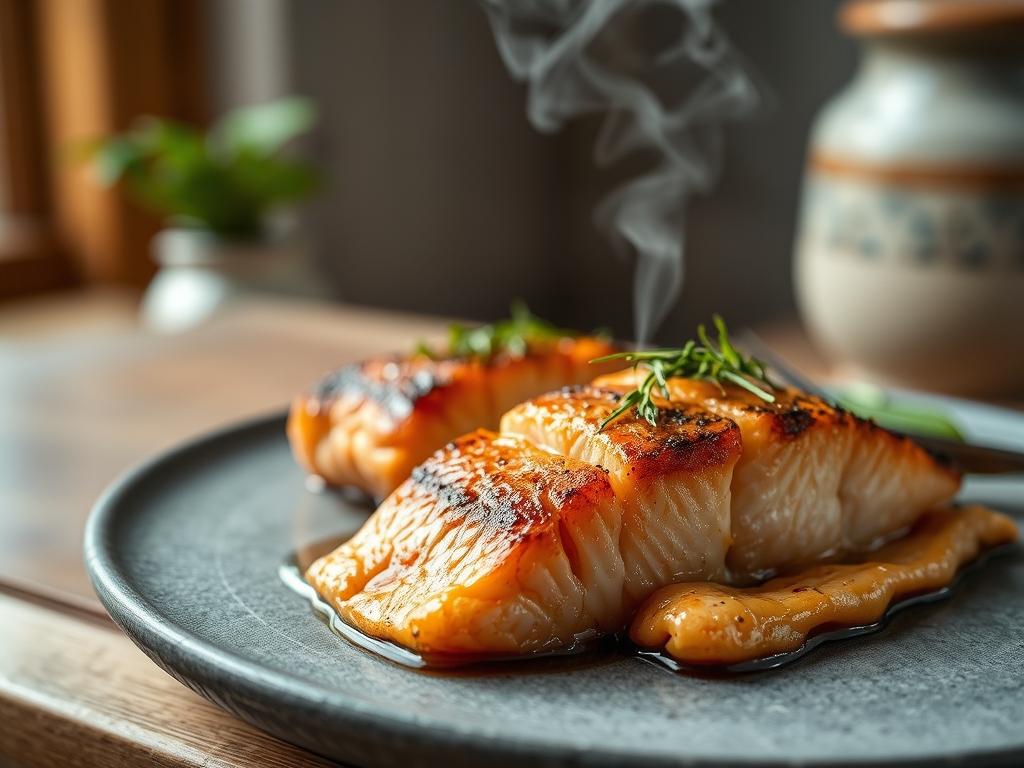
Imagine the scent of cold Pacific brine meeting the sizzle of a screaming hot heavy-bottomed skillet. That is the siren song of the ocean's most prized athlete. When you are hunting for the ultimate wild king salmon recipes, you are not just looking for dinner; you are looking for a masterclass in lipid management and thermal precision. Wild King, or Chinook, is the crown jewel of the sea because of its high fat content and muscular structure. It is the marbled ribeye of the water. We are going to treat this fish with the reverence it deserves by using professional techniques that ensure every bite is buttery, flakey, and structurally sound. Forget those dry, chalky fillets of your past. We are leaning into the chemistry of the Maillard reaction and the physics of heat transfer to create a crust so crisp it shatters, while the interior remains a perfect, translucent medium-rare. Grab your apron and your favorite tongs. We are about to transform your kitchen into a high-end bistro where the ingredient is the star and you are the genius director behind the scenes.
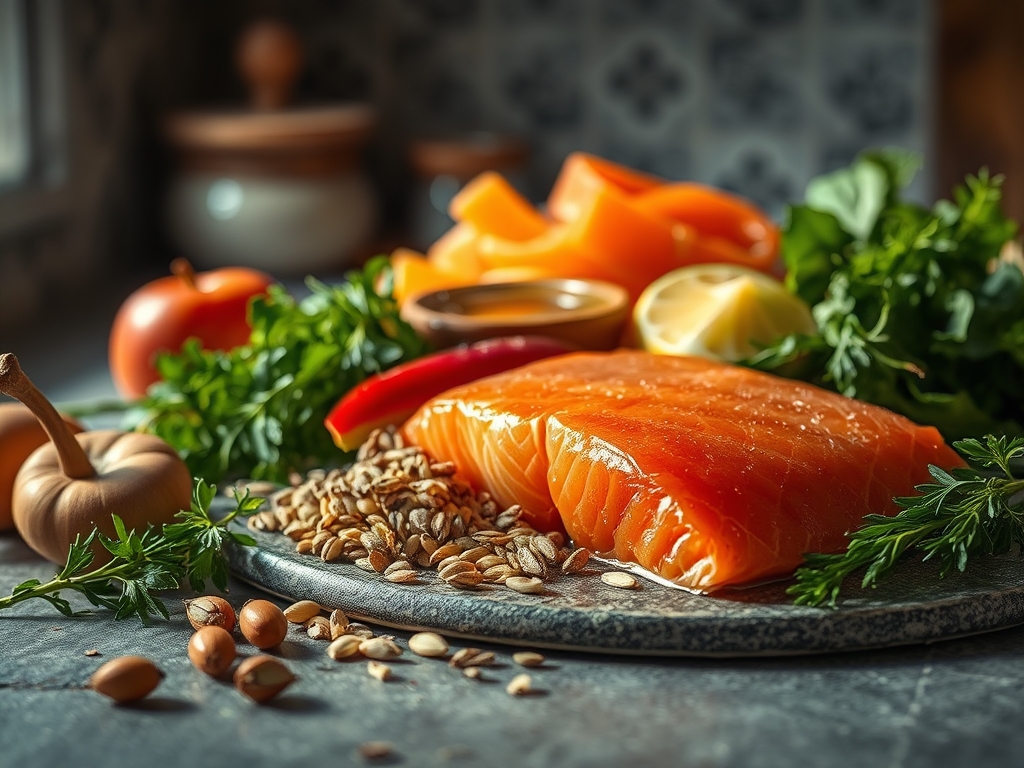
The Gathers:
To execute professional wild king salmon recipes, your mise-en-place must be flawless. Start with a 1.5-pound center-cut fillet of wild King salmon, skin-on. The skin is your heat shield; do not discard it. You will need high-smoke-point fats like avocado oil or clarified butter. Avoid extra virgin olive oil for the sear, as its low smoke point will create bitter, acrid compounds at high heat. For the aromatic base, gather fresh thyme sprigs, two crushed garlic cloves, and a cold knob of unsalted butter for the final baste.
For the seasoning, use flaky sea salt and freshly cracked white pepper. White pepper provides a piquant heat without the visual distraction of black flecks on the vibrant orange flesh. You will also need a bright acid to cut through the viscous fats; a fresh lemon or a splash of verjus works beautifully.
Smart Substitutions: If you cannot find King salmon, Sockeye is a vibrant alternative, though its lower fat content requires a shorter cook time. For a vegan "butter" finish, use a high-quality cashew-based butter to achieve a similar creamy mouthfeel during the emulsification of your pan sauce.
The Clock
Efficiency in the kitchen is about the Chef's Flow. This is the art of sequencing tasks so that nothing sits idle while something else overcooks. Total active prep time is 10 minutes, focusing on drying the skin and portioning. The cooking phase is a rapid 8 to 12 minutes, depending on the thickness of your fillet.
The most critical part of the clock is the tempering phase. You must take the salmon out of the refrigerator 20 minutes before it hits the pan. If you drop a cold fillet into a hot skillet, the muscle fibers will contract violently, squeezing out the albumin (that unappealing white protein) and leaving the fish tough. By letting the fish reach room temperature, you ensure an even heat gradient from the surface to the core.
The Masterclass
1. The Desiccation Ritual
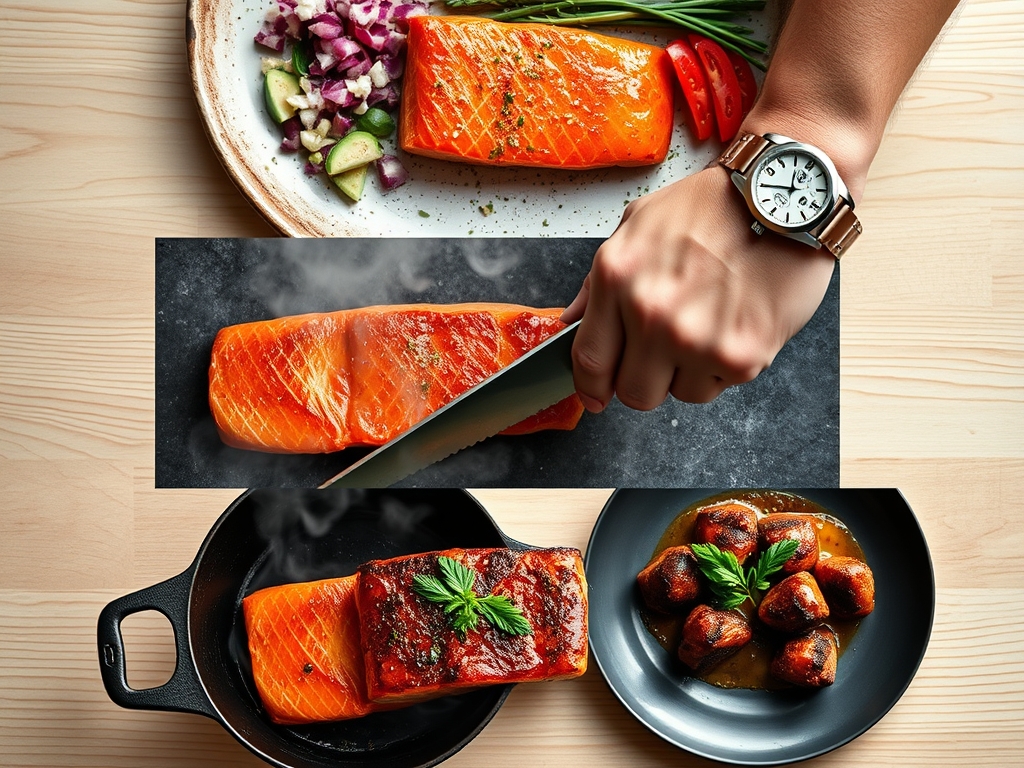
Use a paper towel to pat the salmon skin until it is bone dry. This is the most important step for a crispy finish. Any residual moisture will turn to steam, preventing the skin from reaching the temperatures required for the Maillard reaction.
Pro Tip: Use a bench scraper to gently squeegee the skin side of the fish before seasoning. This removes deep-seated moisture from the scales, ensuring a glass-like crunch through superior evaporative cooling control.
2. The Score and Season
Using a very sharp chef's knife, make three shallow, diagonal incisions in the skin. Do not cut into the flesh. Season the skin side only with salt at this stage. Salt is hygroscopic, meaning it draws out moisture. By seasoning just before the pan, you prevent the skin from becoming soggy.
Pro Tip: Scoring the skin prevents the fillet from curling as the collagen fibers contract under heat. This ensures maximum surface area contact with the skillet for an even, golden-brown render.
3. The Cold-Start Sear
Place the salmon skin-side down in a cold, dry, heavy-bottomed skillet, then turn the heat to medium-high. This allows the fat under the skin to render slowly as the pan heats up, essentially frying the skin in its own natural oils.
Pro Tip: Starting in a cold pan prevents the "thermal shock" that causes fish to seize. This technique allows for a more uniform heat distribution through the thickest part of the King salmon.
4. The Weight Pressure
Once the pan is hot, use a flexible fish spatula to press down firmly on the fillet for the first 30 seconds. This ensures the entire surface of the skin stays in contact with the metal.
Pro Tip: Constant pressure prevents air pockets from forming between the skin and the pan. Without this, you get "patchy" browning rather than a continuous, shattered-glass texture.
5. The Gentle Flip
Cook the fish 90 percent of the way on the skin side. You will see the opaque color creep up the sides of the fillet. Once the skin releases easily from the pan, flip it gently using your tongs and a spatula.
Pro Tip: This is called "unilateral cooking." By keeping the heat primarily on the skin side, you protect the delicate proteins from direct heat, preventing the denaturation that leads to a dry texture.
6. The Butter Baste
Drop a knob of butter, garlic, and thyme into the pan. As the butter foams, tilt the skillet and use a large spoon to continuously pour the hot, flavored fat over the fish. This is called arroser.
Pro Tip: The foaming butter is a sign that water is evaporating. Once the foam subsides, the butter enters the beurre noisette stage, adding a nutty complexity and finishing the top of the fish with gentle, indirect heat.
7. The Rest and Carryover
Remove the salmon from the pan when it is 5 degrees below your target temperature (aim for 120F for medium-rare). Place it on a wire rack, skin-side up.
Pro Tip: Thermal carryover will continue to cook the fish for several minutes after it leaves the pan. Resting on a rack prevents the skin from steaming and softening against a flat plate.
The Deep Dive
Wild King salmon is a nutritional powerhouse, dense in Omega-3 fatty acids and high-quality protein. On average, a 6-ounce portion contains about 350 calories, 20 grams of fat, and 38 grams of protein. It is naturally Keto and Gluten-Free. For a vegan swap, this technique works surprisingly well with thick-cut "steaks" of cauliflower or lion's mane mushrooms, though you will need to increase the fat in the pan to mimic the salmon's natural oils.
The Fix-It:
- White Gunk (Albumin): If you see white streaks, your heat was too high or the fish was too cold. Fix it by lowering the flame and ensuring a longer room-temperature temper next time.
- Sticking Skin: If the skin sticks, do not force it. It will naturally release once the proteins have fully caramelized.
- Bland Flavor: You likely under-seasoned the interior. Use a microplane to zest fresh lemon over the fish immediately after it leaves the pan to wake up the fats.
Meal Prep: To reheat without losing quality, avoid the microwave. Use a low-temperature oven (275F) with a splash of water in the pan, covered with foil. This creates a gentle steam environment that rehydrates the lipids without overcooking the core.
The Wrap-Up
Mastering wild king salmon recipes is a rite of passage for any serious home cook. It is about understanding that heat is a tool, not just a setting. By focusing on skin desiccation, the cold-start method, and the aromatic butter baste, you are elevating a simple piece of protein into a culinary event. Remember, the goal is contrast: the crunch of the sea-salted skin against the melting, fatty luxury of the King salmon flesh. Now, go grab that skillet and show that fish who is boss.
The Kitchen Table
How do I tell if salmon is done without a thermometer?
Gently press the side of the fillet with a fork. If the layers of flesh begin to flake or separate easily along the white fat lines, it is medium-rare. The center should still look slightly translucent.
Why is my salmon skin not crispy?
The culprit is almost always moisture. If the skin is not patted dry or if you crowd the pan, steam builds up. Ensure the skin is dry and use a heavy skillet to maintain high, even heat.
Can I use frozen wild king salmon?
Yes, but thaw it slowly in the refrigerator for 24 hours. Once thawed, treat it exactly like fresh fish, paying extra attention to drying the skin, as frozen fish tends to release more internal moisture.
What is the best pan for searing salmon?
A heavy-bottomed stainless steel or cast iron skillet is best. These materials have high thermal mass, meaning they do not drop in temperature when the cold fish is added, ensuring a superior, even sear.