
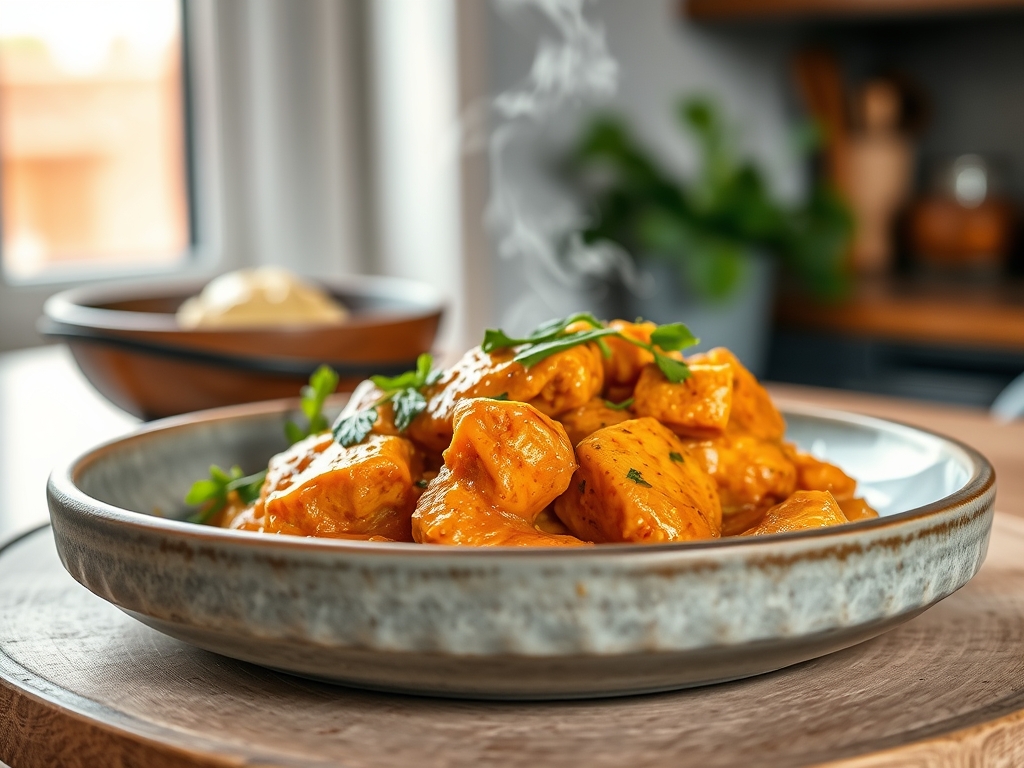
Imagine a kitchen filled with the scent of toasted cumin and simmering tomatoes; it is the ultimate culinary hug. We all crave that velvety, orange glow of a classic curry, but the traditional calorie count can feel like a heavy blanket. Mastering healthy butter chicken recipes means capturing that iconic, piquant depth without the saturated fat coma.
The secret lies in molecular substitutions that mimic the mouthfeel of heavy cream while elevating the nutritional profile. We are talking about a dish that feels like a Friday night indulgence but fits perfectly into your Tuesday fitness goals. By manipulating heat and acidity, we can create a sauce so viscous and rich that your guests will swear there is a stick of butter hidden in the saucier. Get your digital scale ready; we are about to re-engineer a classic.
The Gathers:
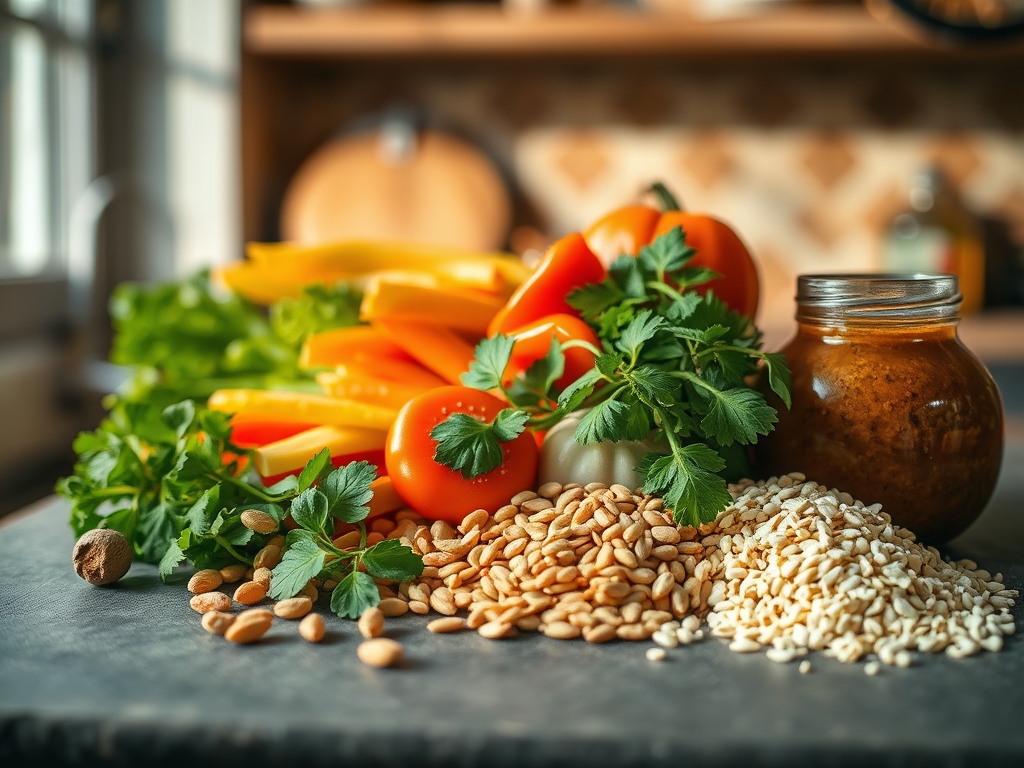
To achieve a five-star result, your mise-en-place must be precise. Start with 1.5 pounds of boneless, skinless chicken breast or thighs, cubed into uniform one-inch pieces to ensure even thermal distribution. For our smart substitutions, swap the heavy cream for full-fat Greek yogurt or silken tofu blended with a splash of cashew milk. These provide the necessary protein density and lactic acidity to tenderize the meat.
You will need a heavy-bottomed skillet or a high-sided saucier to prevent scorching. Gather your aromatics: fresh ginger and garlic, ideally grated with a microplane to create a fine paste that dissolves into the base. Your spice rack should feature bright turmeric, smoky garam masala, and Kashmiri chili powder for that signature hue. Instead of a half-pound of butter, we will use two tablespoons of grass-fed ghee or avocado oil to render the aromatics. Finally, keep a bench scraper handy to clear your workstation as you move from prep to flame.
The Clock
Efficiency in the kitchen is about the "Chef's Flow." Total prep time is 20 minutes, primarily focused on dicing and measuring spices. The cook time spans 25 minutes, but the real magic happens in the 30-minute marination window.
If you are tight on time, you can skip the long soak, but your chicken will lose that tender, enzymatic breakdown. Total active time is roughly 45 minutes. Use the simmering period to aerate your cauliflower rice or steam a side of greens. This rhythm ensures that by the time the sauce reaches its peak viscosity, your sides are hot and your kitchen is already half-cleaned.
The Masterclass:
1. The Acidic Marination
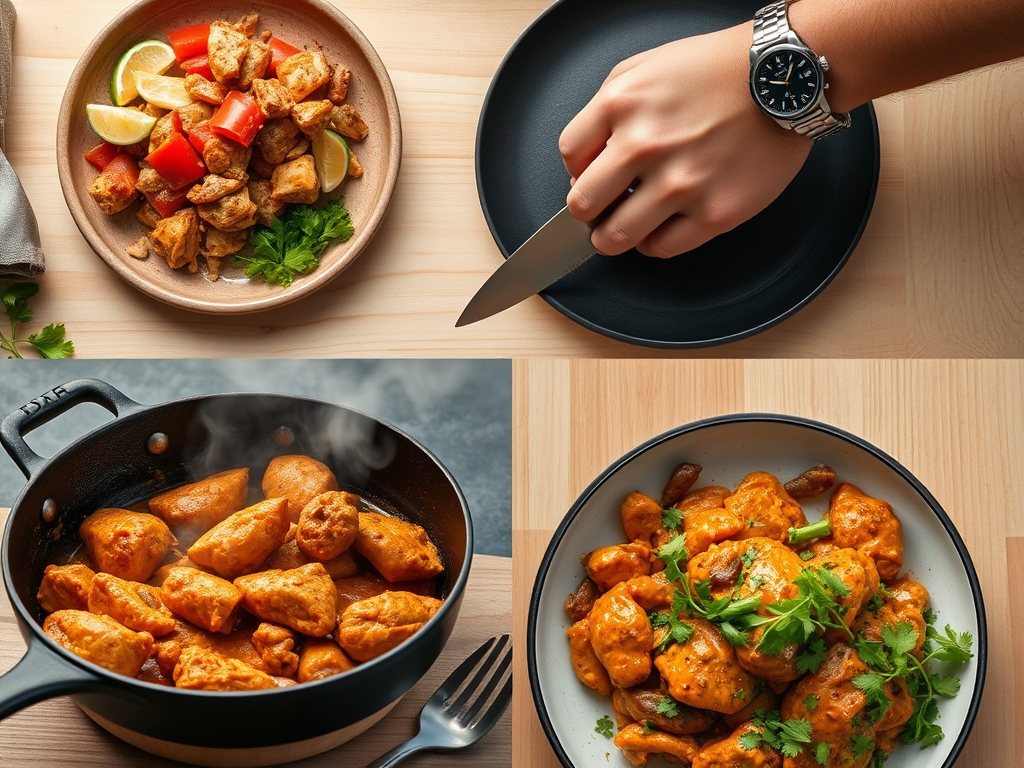
Toss your chicken in a bowl with Greek yogurt, lemon juice, and half of your spice blend. Use your hands or tongs to ensure every surface is coated.
Pro Tip: The citric acid in the lemon and the lactic acid in the yogurt work together to break down tough muscle fibers. This process, known as denaturing proteins, ensures the meat remains succulent even after high-heat searing.
2. The Maillard Sear
Heat your skillet over medium-high heat. Add a teaspoon of ghee and sear the chicken in batches. Do not overcrowd the pan.
Pro Tip: We are looking for the Maillard reaction; a chemical reaction between amino acids and reducing sugars that creates a savory, browned crust. This adds a layer of "umami" that compensates for the reduced fat content in our healthy version.
3. The Aromatic Infusion
Remove the chicken and lower the heat. Add the remaining ghee, then drop in your finely minced onions, ginger, and garlic. Use a wooden spoon to deglaze the bottom of the pan.
Pro Tip: Sautéing aromatics in fat is called "blooming." Fat-soluble flavor compounds in the spices are released more effectively in oil than in water, creating a more complex and piquant flavor profile.
4. The Sauce Reduction
Pour in your tomato puree and the rest of your spices. Let this simmer until the water content evaporates and the sauce thickens naturally.
Pro Tip: Reducing the sauce concentrates the natural sugars in the tomatoes. This creates a thick, viscous texture without the need for cornstarch or excessive thickeners.
5. The Emulsification
Stir in your yogurt or cashew cream substitute. Return the chicken to the pan and simmer on low heat for five minutes.
Pro Tip: Avoid boiling the sauce once the yogurt is added. High heat can cause the proteins in the yogurt to curdle. Maintaining a low simmer ensures a smooth, stable emulsion.
6. The Final Tempering
Finish the dish with a sprinkle of fresh cilantro and a squeeze of lime. Check the seasoning with a pinch of sea salt.
Pro Tip: Thermal carryover will continue to cook the chicken for a few minutes after you turn off the burner. Pulling the pan off the heat just before the chicken is "perfect" prevents it from becoming rubbery.
The Deep Dive
When we look at the macro nutrition, this version slashes the fat by nearly 60 percent while doubling the protein per serving. A standard portion contains roughly 350 calories, making it a powerhouse for lean muscle maintenance.
For dietary swaps, vegans can substitute the chicken with roasted cauliflower or chickpeas and use coconut cream for the base. Keto followers should stick to the ghee and serve the dish over shredded cabbage. If you are gluten-free, simply ensure your garam masala blend is certified pure.
The Fix-It:
- Sauce is too thin: Simmer uncovered for five more minutes to evaporate excess moisture.
- Sauce is too acidic: Add a teaspoon of honey or maple syrup to balance the pH levels.
- Chicken is dry: You likely overcooked it during the sear. Next time, use a digital thermometer to pull the meat at 160 degrees Fahrenheit.
Meal Prep:
To maintain "day-one" quality, reheat your leftovers in a small saucepan over low heat with a tablespoon of water. This rehydrates the sauce without breaking the emulsion. Avoid the microwave if possible, as it can make the chicken fibers stringy and tough.
The Wrap-Up
Transitioning to healthy butter chicken recipes does not mean sacrificing the soul of the dish. By focusing on the science of flavor extraction and smart ingredient choices, you can enjoy a decadent, restaurant-quality meal that fuels your body. Grab your favorite bowl, a side of roasted veggies, and enjoy the rich, creamy satisfaction of a job well done. Your kitchen is now a laboratory of delicious health.
The Kitchen Table
Can I use coconut milk instead of yogurt?
Yes, full-fat canned coconut milk is an excellent dairy-free substitute. It provides a similar viscosity and a subtle sweetness that complements the Indian spices perfectly while keeping the dish entirely plant-based and creamy.
How do I prevent my yogurt from curdling?
Temper the yogurt by whisking a spoonful of hot sauce into it before adding the mixture to the pan. Keep the heat low and never let the sauce reach a rolling boil after the dairy is incorporated.
What is the best way to store leftovers?
Store the curry in an airtight glass container in the refrigerator for up to four days. The flavors actually deepen overnight as the spices continue to infuse into the protein and the sauce base.
Is ghee healthier than regular butter?
Ghee is clarified butter with the milk solids removed, making it lactose-free and shelf-stable. It has a higher smoke point, which prevents the fat from oxidizing and becoming bitter during high-heat cooking.