
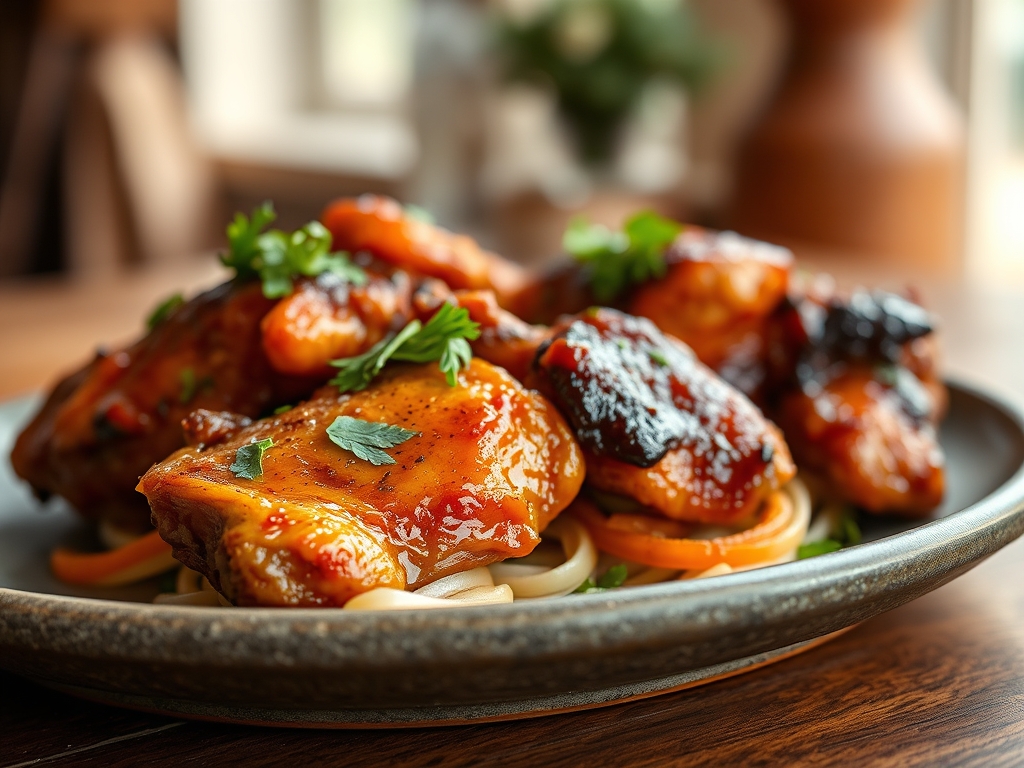
Picture the Manila night market: the air is thick with the scent of charred sugar and pungent garlic. If you are hunting for the ultimate filipino bbq chicken recipes, you have likely realized that the magic is not just in the flame; it is in the molecular marriage of sweet, salt, and acid. It is sticky, smoky, and deeply nostalgic.
In this masterclass, we are stripping away the guesswork. We are going beyond the "splash of this and that" to explore why certain sugars caramelize better and how to achieve that signature mahogany glaze without burning the meat to a bitter crisp. Whether you are using a charcoal pit or a high-end grill, these six secrets will transform your kitchen into a tropical rotisserie. We are talking about deep-tissue flavor penetration and a glaze so viscous it clings to the chicken like a second skin. Put on your apron; we are about to turn your backyard into the most popular spot on the block.
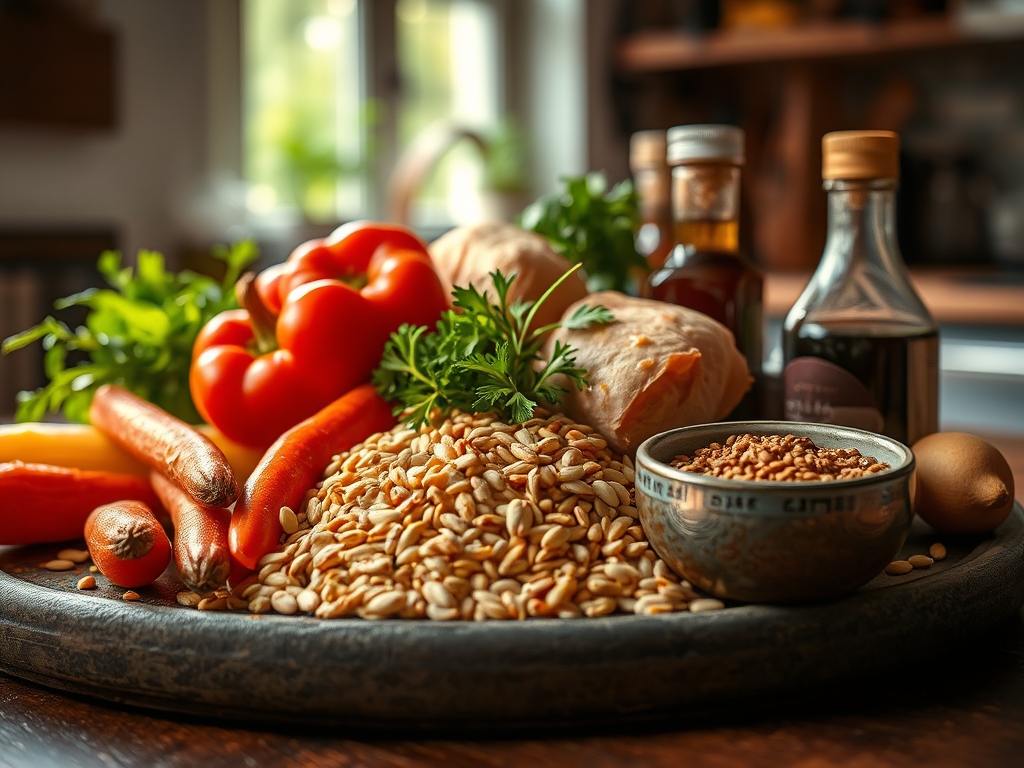
The Gathers:
To achieve the profile found in authentic filipino bbq chicken recipes, your mise-en-place must be precise. We are looking for ingredients that provide high osmotic pressure to pull seasoning into the muscle fibers.
- The Protein: 2 lbs of boneless, skin-on chicken thighs. Thighs contain more connective tissue (collagen) than breasts, which melts into gelatin during cooking, ensuring a succulent mouthfeel.
- The Salty Base: 1/2 cup of high-quality soy sauce. This provides the amino acids necessary for the Maillard reaction.
- The Acid: 1/4 cup of Calamansi juice or fresh lemon juice. The citric acid denatures the proteins, acting as a chemical tenderizer.
- The Sweetener: 1/2 cup of banana ketchup and 1/4 cup of brown sugar. Banana ketchup is the "secret sauce" here; it is a piquant, thickened fruit puree that provides a unique fruity undertone that tomato ketchup cannot replicate.
- The Aromatics: 8 cloves of garlic, crushed with a microplane to increase surface area, and 1 teaspoon of freshly cracked black pepper.
- The Carbonation: 1/2 cup of lemon-lime soda. The phosphoric acid and high sugar content act as a powerful brine and glaze base.
Smart Substitutions: If you cannot find calamansi, use a 1:1 mix of lime and orange juice to mimic that floral acidity. For a refined sugar-free version, coconut aminos can replace soy sauce, though you will need to add a pinch of sea salt to compensate for the lower sodium density.
The Clock
Efficiency in the kitchen is all about Chef's Flow. This is the art of overlapping tasks so that no second is wasted.
- Prep Time: 15 minutes. This involves the "crush and whisk" phase where you emulsify your marinade.
- Marination Time: 4 to 12 hours. This is non-negotiable for flavor depth.
- Cook Time: 15 to 20 minutes.
- Resting Time: 5 to 10 minutes.
Chef's Flow Tip: While the chicken marinates, use a saucier to reduce your reserved basting liquid. This ensures that by the time your grill is hot, your glaze is already at the perfect viscosity. Never rush the rest; internal juices need time to redistribute, or they will end up on your cutting board instead of in your mouth.
The Masterclass
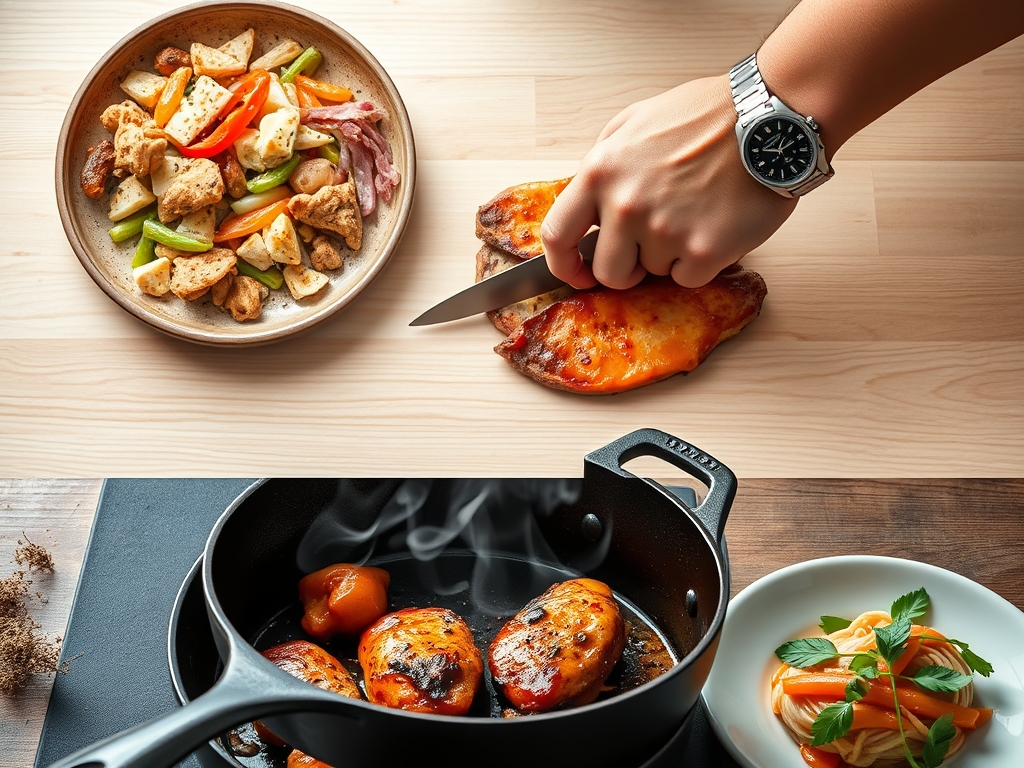
1. The Osmotic Brine
Whisk your soy sauce, soda, calamansi, and aromatics in a large glass bowl. Submerge the chicken completely.
Pro Tip: This is osmosis in action. The high salt concentration in the marinade moves into the lower-concentration environment of the chicken cells. As the salt enters, it brings water and flavor molecules with it, seasoning the meat from the inside out.
2. The Emulsified Glaze
Pour half of the marinade into a saucier before adding the raw chicken. Bring it to a simmer and whisk in the banana ketchup until it thickens.
Pro Tip: Reducing the marinade creates a gastrique-style glaze. By simmering, you are evaporating water and concentrating the sugars and acids, which prevents the glaze from sliding off the meat during the grilling process.
3. The Tempering Phase
Remove the chicken from the refrigerator 30 minutes before grilling. Use a bench scraper to clear your workstation and prepare your tools.
Pro Tip: This is called tempering. If you put ice-cold chicken on a hot grill, the muscle fibers will "shock" and contract violently, squeezing out moisture. Bringing the meat closer to room temperature ensures even heat distribution.
4. The Searing Heat
Place the chicken on the grill over medium-high heat. Use long-handled tongs to flip every 3 to 4 minutes.
Pro Tip: This stage triggers the Maillard reaction. This is a chemical reaction between amino acids and reducing sugars that gives browned food its distinctive flavor. Without high heat, you are just boiling the meat in its own juices.
5. The Layered Basting
During the last 5 minutes of cooking, generously brush the reduced glaze onto the chicken.
Pro Tip: This is caramelization. Unlike the Maillard reaction, caramelization is the pyrolysis of sugar. Because the glaze has a high sugar content, adding it too early would cause it to burn. Adding it at the end creates a lacquered finish.
6. The Thermal Rest
Transfer the chicken to a warm platter and tent loosely with foil.
Pro Tip: This accounts for thermal carryover. The internal temperature of the chicken will continue to rise by 5 degrees after being removed from the heat. Resting allows the protein fibers to relax and reabsorb the juices, ensuring a tender result.
The Deep Dive
Macro Nutrition: A standard serving of this BBQ chicken (approx. 6 oz) contains roughly 320 calories, 28g of protein, 12g of fat, and 18g of carbohydrates. The carb count is primarily from the sugars in the glaze.
Dietary Swaps:
- Vegan: Use the marinade on thick slices of King Oyster mushrooms or extra-firm tofu. The porous structure of tofu is excellent for absorbing the salty-sweet profile.
- Keto: Replace the banana ketchup with tomato paste and stevia; swap the soda for sparkling water and an extra squeeze of lime.
- GF: Ensure your soy sauce is replaced with Tamari or liquid aminos.
The Fix-It:
- Too Salty: If you over-marinated, do not panic. Serve the chicken with unsalted "Sinangag" (garlic fried rice) to balance the palate.
- Burnt Exterior/Raw Interior: This happens when the grill is too hot. Move the chicken to a "cool zone" on the grill and cover with a lid to create an oven effect.
- Thin Glaze: If the sauce is runny, whisk in a tiny slurry of cornstarch and water while the sauce is simmering in the saucier.
Meal Prep: To reheat, avoid the microwave as it turns chicken rubbery. Instead, use a heavy-bottomed skillet over medium heat with a tablespoon of water. Cover with a lid to create steam; this rehydrates the proteins and restores the "day-one" gloss to the glaze.
The Wrap-Up
Mastering filipino bbq chicken recipes is a rite of passage for any home cook looking to expand their flavor repertoire. It is a balance of science and soul. By understanding how acids tenderize and how sugars glaze, you move from following a recipe to commanding the kitchen. So, grab your digital scale, measure your aromatics, and get that grill screaming hot. Your friends are already on their way over; make sure the beer is cold and the rice is steaming.
The Kitchen Table
Can I use chicken breast for this recipe?
Yes, but reduce the cooking time significantly. Chicken breast lacks the fat and collagen of thighs, making it prone to drying out. Use a digital thermometer to ensure you pull the meat at exactly 165 degrees Fahrenheit.
Why is my BBQ chicken not red?
The iconic red hue in Filipino BBQ often comes from annatto seeds (achuete) or food coloring in commercial banana ketchup. To achieve this naturally, infuse your oil with annatto seeds before adding it to the marinade.
How long can I marinate the chicken?
Do not exceed 24 hours. The high acidity from the calamansi and soda will eventually begin to "cook" the meat chemically, resulting in a mealy, mushy texture. Aim for the 6 to 12 hour sweet spot.
What is the best way to clean the grill after the sticky glaze?
While the grill is still warm, use a wire brush or a balled-up piece of aluminum foil. The residual heat helps loosen the carbonized sugars, making it much easier to scrape the grates clean for your next session.