
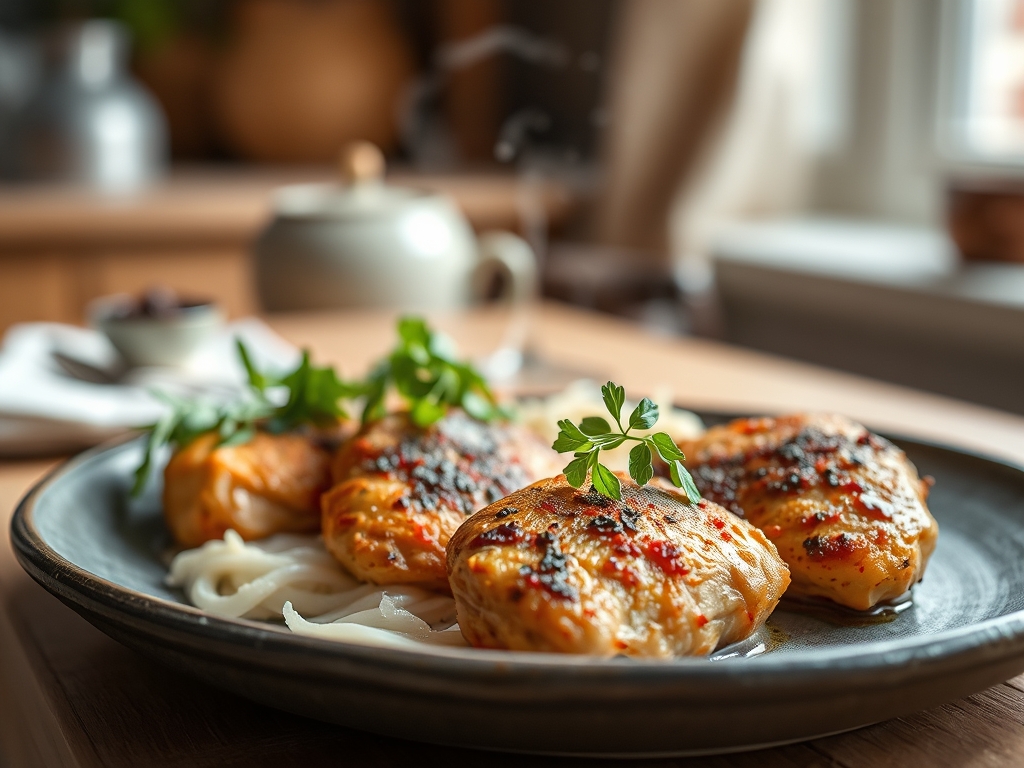
Imagine the sound of a heavy-bottomed skillet meeting a high-flame burner; the rhythmic sizzle as a protein hits shimmering oil. We are chasing that perfect, golden-brown crust and the fibrous pull of a classic cut, but with a plant-based twist. These vegan chicken recipes prove that you do not need poultry to achieve savory, umami-rich perfection in your kitchen.
The secret lies in the molecular architecture of your ingredients. Whether you are working with the elastic gluten networks of seitan or the cellular density of young green jackfruit, the goal is the same: creating a vehicle for flavor that mimics the structural integrity of meat. We are moving beyond the bland, frozen nuggets of the past. Today, we are exploring textures that range from the delicate flake of a "chicken" salad to the robust, char-grilled snap of a skewer.
We will manipulate plant proteins using heat, pressure, and acidity to transform them into something truly spectacular. Think of this as your culinary laboratory, where we swap out animal fats for high-smoke-point oils and cultured nut butters to achieve that signature mouthfeel. It is about the science of the sear and the art of the marinade. Grab your apron and your favorite tongs; we are about to redefine what plant-based comfort food looks like through seven revolutionary methods.
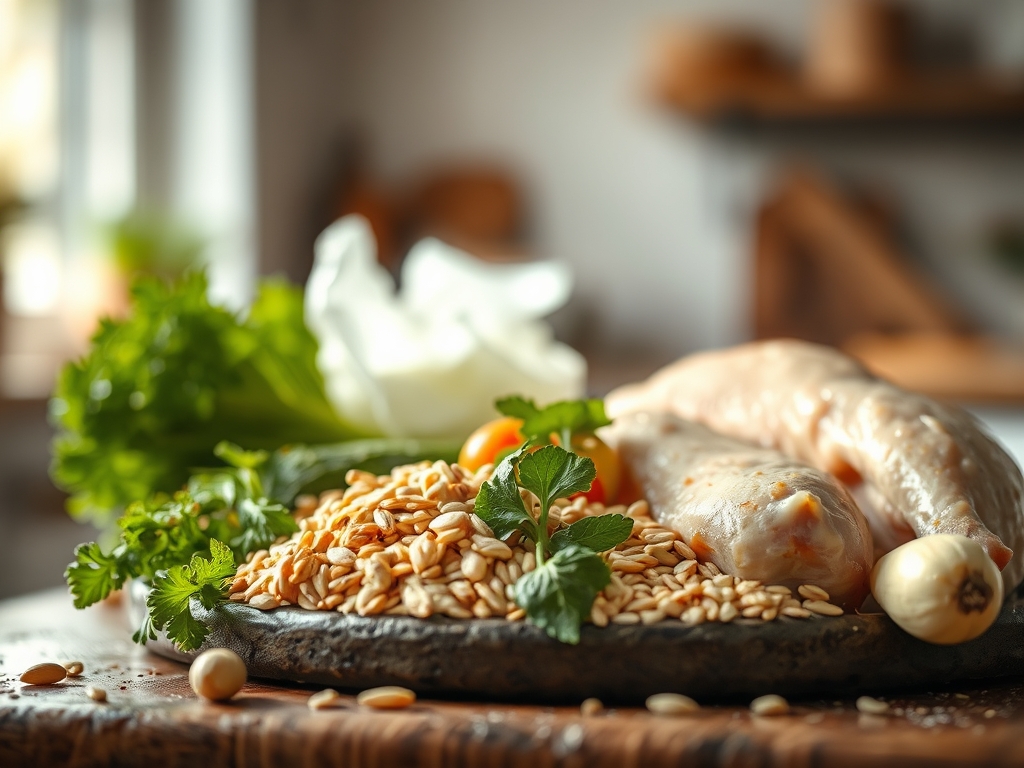
The Gathers:
Before we ignite the stove, we must respect the mise-en-place. Our primary building block is often Vital Wheat Gluten, a concentrated protein flour that provides the "chew" through disulfide bonding. For a lighter, more fibrous texture, we integrate Soy Curls, which are whole non-GMO soybeans that have been cooked and dried. These require rehydration in a viscous broth to infuse them with depth.
Our flavor profile relies on "The Holy Trinity of Umami": nutritional yeast, white miso paste, and liquid aminos. These ingredients provide the glutamates necessary to satisfy the savory receptors on your tongue. We also utilize a microplane to grate fresh garlic and ginger, ensuring these aromatics melt into our sauces rather than burning in the pan.
Smart Substitutions:
If you are avoiding gluten, your best friend is the Oyster Mushroom. When shredded with a fork and roasted, the edges crisp up while the centers remain succulent. For those seeking a keto-friendly profile, extra-firm tofu pressed with a weighted press to remove excess moisture allows for a higher protein-to-water ratio, ensuring it absorbs fats and spices more efficiently. Always keep a digital scale nearby; precision in grams is the difference between a rubbery texture and a tender bite.
The Clock
Efficiency in the kitchen is governed by "Chef's Flow," the ability to overlap tasks to minimize downtime. For these vegan chicken recipes, the clock usually starts with a 20-minute hydration or pressing phase. During this time, you should be prepping your aromatics with a sharp chef's knife and a bench scraper to clear your board quickly.
Total active cook time for most of these dishes ranges from 15 to 30 minutes. However, the "resting" phase is non-negotiable. Just as meat needs to relax to retain juices, plant-based proteins need time for their structures to set. If you slice into a seitan roast too early, you lose the internal steam that keeps it moist. Plan for a 60-minute window from start to finish to ensure every chemical reaction has reached its peak.
The Masterclass
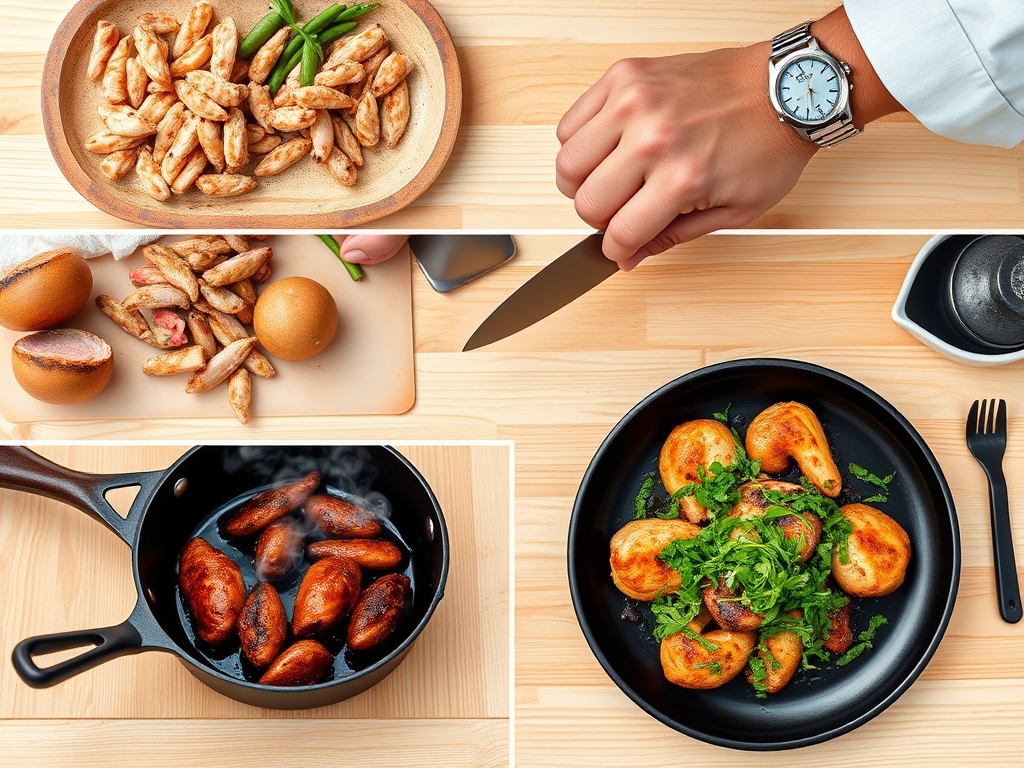
1. The Press and Sear
Begin by extracting moisture from your tofu or mushrooms using a dedicated press or a heavy cast-iron pan. Once the surface is dry, dust it lightly with cornstarch or arrowroot powder. Heat a heavy-bottomed skillet with avocado oil until it reaches the shimmering point.
Pro Tip: This stage utilizes the Maillard Reaction, a chemical reaction between amino acids and reducing sugars that gives browned food its distinctive flavor. By removing surface moisture, you prevent the food from steaming, allowing the temperature to rise high enough for browning to occur.
2. The Hydration Infusion
For soy curls or dehydrated proteins, submerge them in a warm, concentrated vegetable bouillon. Use a saucier to whisk together the broth with a splash of apple cider vinegar and smoked paprika. Let them soak until they are plump and have tripled in weight.
Pro Tip: This is an example of osmotic pressure. By seasoning the soaking liquid heavily, you ensure the flavor penetrates the core of the protein rather than just coating the outside.
3. The Gluten Development
When mixing seitan, combine your dry gluten with the wet ingredients and knead just until strands begin to form. Over-kneading will result in a texture that is too tough to chew. Use a digital scale to ensure your liquid-to-dry ratio is exactly 1:1.2.
Pro Tip: Kneading aligns the protein molecules into long chains. If you find the dough is springing back too aggressively, let it rest for ten minutes to allow the protease enzymes to slightly relax the network.
4. The Steam Bath
Wrap your protein tightly in foil or parchment paper and place it in a steamer basket over simmering water. This gentle, indirect heat cooks the protein through without drying out the exterior.
Pro Tip: Steaming provides a consistent temperature of 212 degrees Fahrenheit. This prevents thermal carryover, where the outside overcooks before the inside is safe to eat, ensuring a uniform texture from edge to edge.
5. The Deglaze and Glaze
After searing your "chicken," remove it from the pan. Add a splash of white wine or vegetable stock to the hot skillet, using a wooden spoon to scrape up the browned bits (the fond). Return the protein to the pan and toss to coat.
Pro Tip: Deglazing captures the concentrated flavors stuck to the pan. Adding a cold pat of vegan butter at the very end creates an emulsification, resulting in a glossy, restaurant-quality sauce that clings to the protein.
6. The Aerated Battering
For "fried chicken" styles, dip your protein in a wet wash followed by a seasoned flour dredge. For maximum crunch, incorporate a small amount of sparkling water or baking powder into your wet batter.
Pro Tip: The carbon dioxide bubbles in sparkling water aerate the batter. When it hits the hot oil, these bubbles expand and then set, creating a light, airy crust that stays crispy longer.
7. The Final Rest
Once your vegan chicken is cooked, move it to a wire cooling rack rather than a flat plate. This allows air to circulate around the entire piece, preventing the bottom from becoming soggy.
Pro Tip: Resting allows the internal temperature to stabilize. In plant-based proteins, this helps the hydrocolloids (like starches or gums) to fully set, giving you a cleaner slice and better "tooth-sink" quality.
The Deep Dive
Nutritiously, these vegan chicken recipes are powerhouses. Seitan-based dishes often boast 25 grams of protein per serving, rivaling traditional poultry. Tofu and soy-based versions provide a complete amino acid profile along with essential minerals like calcium and manganese.
Dietary Swaps:
To make these recipes Gluten-Free, swap wheat gluten for a blend of pea protein and chickpea flour, or stick to whole-food bases like cauliflower and mushrooms. For Keto enthusiasts, focus on hemp seeds and tofu to keep the net carb count low while maximizing healthy fats.
The Fix-It:
- Rubbery Texture: You likely over-kneaded the dough. Fix this next time by reducing kneading time or adding a bit of pureed beans to "shorten" the gluten strands.
- Bland Interior: You skipped the marinade or used a weak broth. Fix this by "dry-brining" your tofu with salt and spices for two hours before cooking.
- Soggy Coating: The oil temperature was too low. Use an infrared thermometer to ensure your oil is between 350 and 375 degrees Fahrenheit before frying.
Meal Prep:
When reheating, avoid the microwave, which can turn proteins "bouncy." Instead, use an air fryer at 350 degrees for 4 minutes. This utilizes convection heat to re-crisp the exterior while gently warming the center, maintaining that day-one quality.
The Wrap-Up
Mastering vegan chicken recipes is about more than just following a list of ingredients; it is about understanding the physics of the pan and the chemistry of the crust. By manipulating textures and maximizing umami, you can create meals that are sustainable, compassionate, and undeniably delicious. Whether you are hosting a dinner party or prepping for the week, these techniques give you the power to transform simple plants into culinary masterpieces. Now, get back into that kitchen and start searing!
The Kitchen Table
What is the best way to make vegan chicken taste meaty?
Focus on umami-rich ingredients like miso, soy sauce, and nutritional yeast. These provide the savory depth found in meat. Additionally, using a "chicken-style" vegetable bouillon during the hydration phase infuses the fibers with authentic poultry-like aromatics.
Can I freeze these vegan chicken recipes?
Yes, most seitan and soy-based recipes freeze beautifully. In fact, freezing and thawing tofu actually improves the texture by creating small "pockets" in the protein. This allows the finished product to soak up more sauce and marinade later.
Why is my homemade seitan always too spongy?
Sponginess usually occurs when the seitan is boiled too vigorously. To fix this, switch to steaming or baking at a lower temperature. Gentle heat prevents the internal gases from expanding too rapidly, resulting in a denser, more meat-like structure.
What oil is best for searing plant-based proteins?
Use high-smoke-point oils like avocado, grapeseed, or refined coconut oil. These can handle the high heat required for the Maillard reaction without breaking down or releasing bitter flavors, ensuring your "chicken" gets a perfectly golden, crispy crust.