
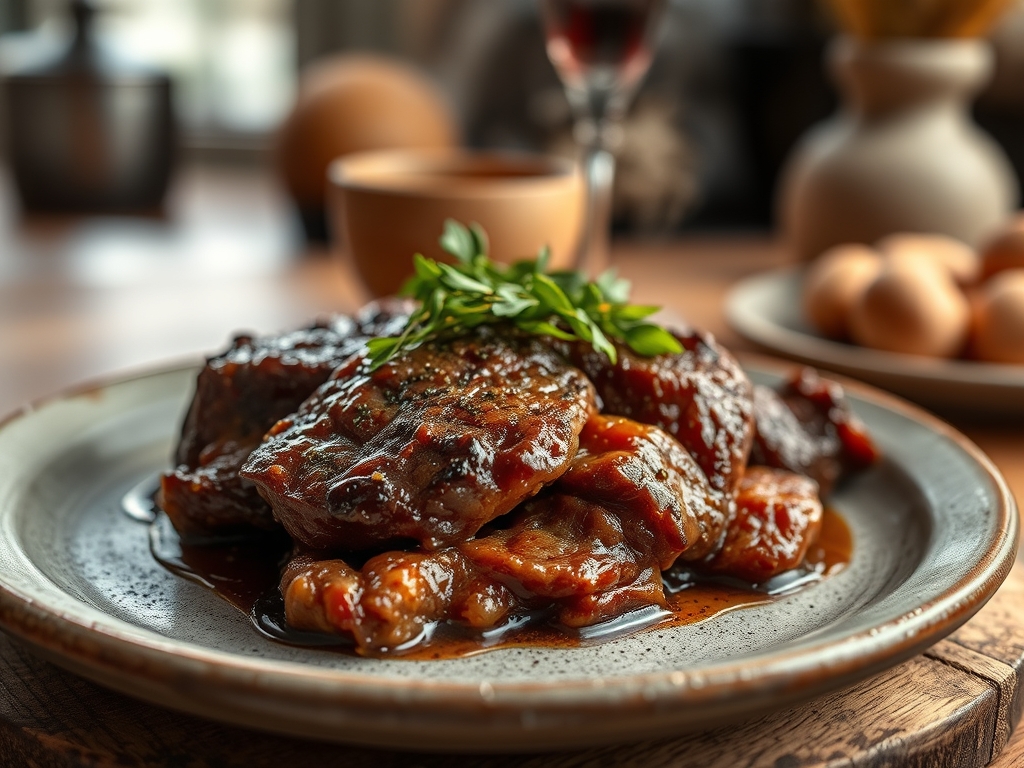
The scent of searing protein is the ultimate winter welcome. When the wind begins to rattle the windowpanes, there is a primal urge to retreat to the kitchen and coax deep, umami flavors from a humble Dutch oven. Finding the perfect beef recipes for winter is not just about sustenance; it is about the transformative power of a slow braise. We are talking about meat so tender it surrenders at the mere suggestion of a fork, bathed in a sauce that has achieved the perfect glossy viscosity. This is where chemistry meets comfort.
The secret to a life-changing stew lies in the transition from raw, fibrous muscle to a silk-like texture. We are not just boiling meat; we are orchestrating a series of complex chemical reactions. From the initial sear that triggers the Maillard reaction to the slow breakdown of tough collagen into rich gelatin, every minute on the stove counts. Grab your favorite heavy-bottomed skillet and a glass of bold red wine. We are about to turn your kitchen into a high-end bistro where the heat stays on and the flavors run deep.
The Gathers:
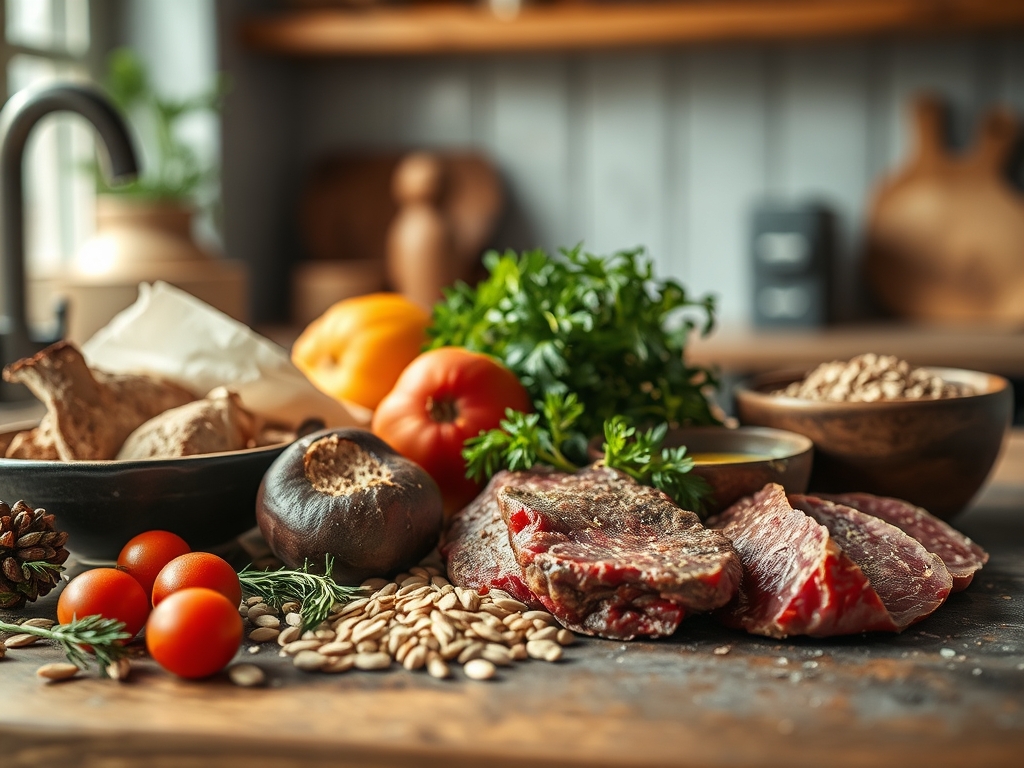
Before we ignite the burners, we must respect the mise-en-place. For these beef recipes for winter, your primary canvas is the chuck roast. This specific cut is prized for its high connective tissue content. You will need roughly three pounds, cubed into precise two-inch segments using a sharp chef's knife. Accuracy here ensures even cooking. You will also need a bottle of dry red wine, such as a Cabernet Sauvignon, to provide the necessary acidity to balance the richness of the fat.
Your aromatics are the backbone of the flavor profile. Gather three large carrots, two stalks of celery, and one massive yellow onion. Use a bench scraper to transfer your neat piles of diced vegetables without losing a single scrap. For the liquid base, high-quality bone broth is non-negotiable. It contains the natural gelatin required for that lip-smacking mouthfeel. Keep your microplane handy for a final zest of lemon or a grating of fresh garlic to brighten the finished dish.
Smart Substitutions: If you are avoiding alcohol, replace the wine with a mixture of beef stock and two tablespoons of balsamic vinegar to mimic the piquant acidity. For those looking to swap the beef, venison offers a leaner, gamier profile but requires a shorter cooking time to avoid toughness. If you find yourself without cornstarch for thickening, a knob of cold butter whisked in at the end (a technique known as monter au beurre) provides a luxurious, velvety finish.
The Clock
Efficiency in the kitchen is about the "Chef's Flow." Expect a total preparation time of 45 minutes. This includes the meticulous dicing of vegetables and the crucial step of tempering your meat. Never throw ice-cold beef into a hot pan; let it sit at room temperature for 20 minutes to ensure a more even sear.
The active cooking time is relatively short, about 30 minutes of browning and sautéing. However, the passive "magic window" is where the heavy lifting happens. Your stew will need to simmer for approximately three hours. During this time, the internal temperature of the beef must reach 195 degrees Fahrenheit to fully melt the collagen. If you try to rush this by increasing the heat, the muscle fibers will tighten and become dry. Patience is your most valuable ingredient.
The Masterclass
1. The Maillard Foundation
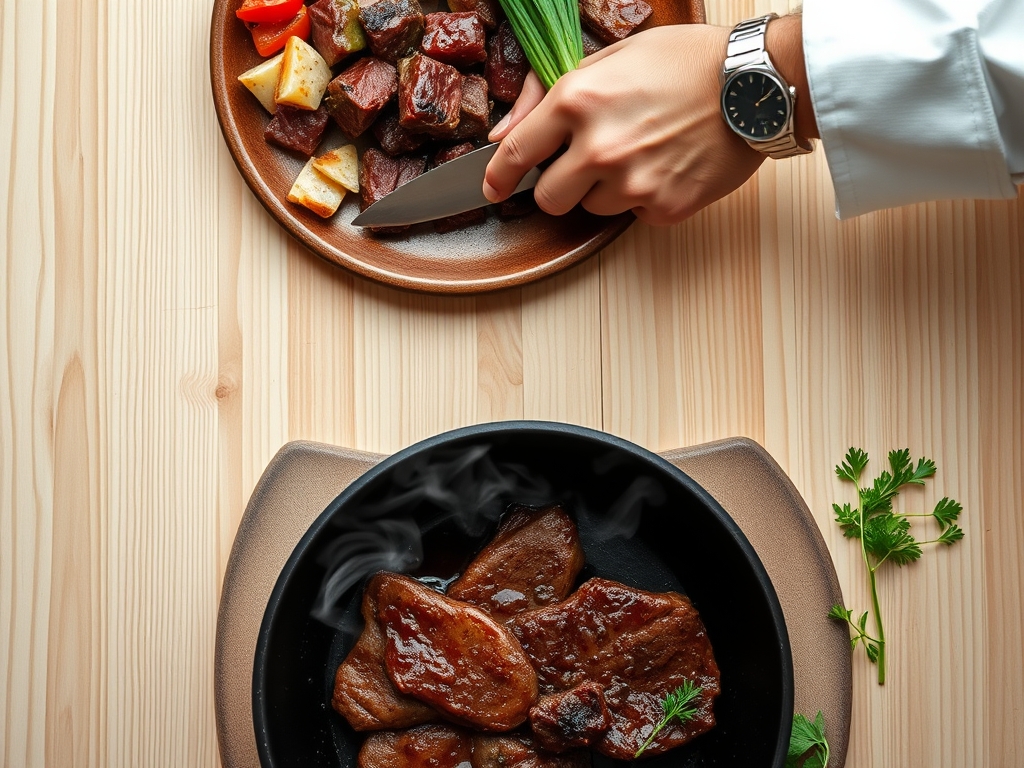
Pat your beef dry with paper towels until it is bone-dry. Season aggressively with kosher salt. Heat your heavy-bottomed skillet until the oil shimmers. Sear the beef in batches, ensuring you do not crowd the pan. Crowding releases too much moisture, which steams the meat instead of browning it.
Pro Tip: This browning is the Maillard reaction, a chemical dance between amino acids and reducing sugars. It creates hundreds of different flavor compounds that simply do not exist in boiled meat.
2. Sweating the Aromatics
Remove the beef and add your mirepoix (onions, carrots, and celery) to the rendered fat. Use a wooden spoon to scrape the bottom of the pan. Sauté until the onions are translucent and the edges of the carrots begin to caramelize.
Pro Tip: Sweating vegetables at a lower heat allows them to release their intrinsic sugars slowly, preventing the bitter notes that come from scorched garlic or burnt onion skins.
3. The Deglaze
Pour in your red wine. Use your spoon to lift every bit of the "fond" (the brown bits stuck to the bottom). This is concentrated flavor gold. Reduce the liquid by half to cook off the harsh alcohol bite.
Pro Tip: This process uses solvent properties to dissolve the flavor-rich proteins stuck to the pan, integrating them into the sauce for a more complex profile.
4. The Long Braise
Return the beef to the pot along with the bone broth, thyme, and bay leaves. Cover with a tight-fitting lid and transfer to a 300-degree Fahrenheit oven. The oven provides more consistent, 360-degree heat than a stovetop burner.
Pro Tip: Maintaining a low, steady temperature prevents thermal shock, ensuring the protein fibers remain relaxed while the connective tissue transforms into gelatin.
5. The Final Emulsification
Once the meat is tender, remove the lid. If the sauce is too thin, simmer it on the stove for ten minutes. Stir in a teaspoon of tomato paste or a slurry of flour and water if you desire a more viscous consistency.
Pro Tip: This final reduction concentrates the solutes in your sauce, increasing the viscosity and ensuring the gravy coats the back of a spoon perfectly.
The Deep Dive
From a macro nutrition perspective, a hearty beef stew is a powerhouse. It is exceptionally high in protein and provides significant amounts of Vitamin B12, zinc, and iron. However, it can be calorie-dense. To create a Keto-friendly version, omit the potatoes and thicken the sauce with xanthan gum instead of flour. For a Gluten-Free adaptation, ensure your broth is certified GF and use arrowroot powder as your thickener.
The Fix-It:
- The Sauce is Too Salty: Drop in a peeled, halved potato. The starch will absorb excess salt as it simmers. Remove it before serving.
- The Meat is Tough: You likely pulled it too early. Put the lid back on and give it another 30 minutes. Collagen breakdown is a binary event; it either happens or it doesn't.
- The Flavor is Flat: Add a teaspoon of fish sauce or Worcestershire sauce. These are umami bombs that provide the "missing link" without making the dish taste like fish.
Meal Prep Science: Beef stew is famously better on day two. As it cools, the flavors continue to marry, and the gelatin sets. To reheat, use a low flame and add a splash of water or broth. Avoid the microwave, as it can cause "hot spots" that toughen the beef through uneven molecular agitation.
The Wrap-Up
Mastering beef recipes for winter is a rite of passage for any home cook. It is a lesson in patience, chemistry, and the art of the slow burn. When you pull that pot out of the oven and the steam hits your face, you will know that the three-hour wait was a small price to pay for such a decadent reward. Serve it in wide bowls with a side of crusty sourdough to mop up every last drop of that liquid gold. You have officially conquered the cold.
The Kitchen Table
What is the best cut of beef for stew?
Chuck roast is the gold standard. It contains the perfect ratio of lean muscle to intramuscular fat and collagen. As it braises, the collagen melts into gelatin, creating a rich, tender texture that leaner cuts like sirloin cannot achieve.
Why is my beef stew meat tough?
Toughness usually results from undercooking or boiling too vigorously. Beef stew requires a long, slow simmer to break down tough connective tissues. If the meat is still chewy, it simply needs more time at a low, consistent temperature to soften.
Can I overcook beef in a slow cooker?
Yes. While slow cookers are forgiving, eventually the muscle fibers will lose all structural integrity and become mushy or "stringy." For the best results, aim for the six-to-eight-hour mark on a low setting for three pounds of beef.
How do I make my stew sauce thicker?
You can use a flour-and-water slurry, a cornstarch mix, or a butter-flour paste called a roux. Alternatively, blending a small portion of the cooked vegetables and stirring them back into the pot provides a natural, fiber-rich thickening method.
Does searing the meat really matter?
Absolutely. Searing creates the Maillard reaction, which develops deep, complex flavors that cannot be replicated by simmering alone. It also creates the "fond" on the bottom of the pan, which serves as the flavor base for your entire sauce.