
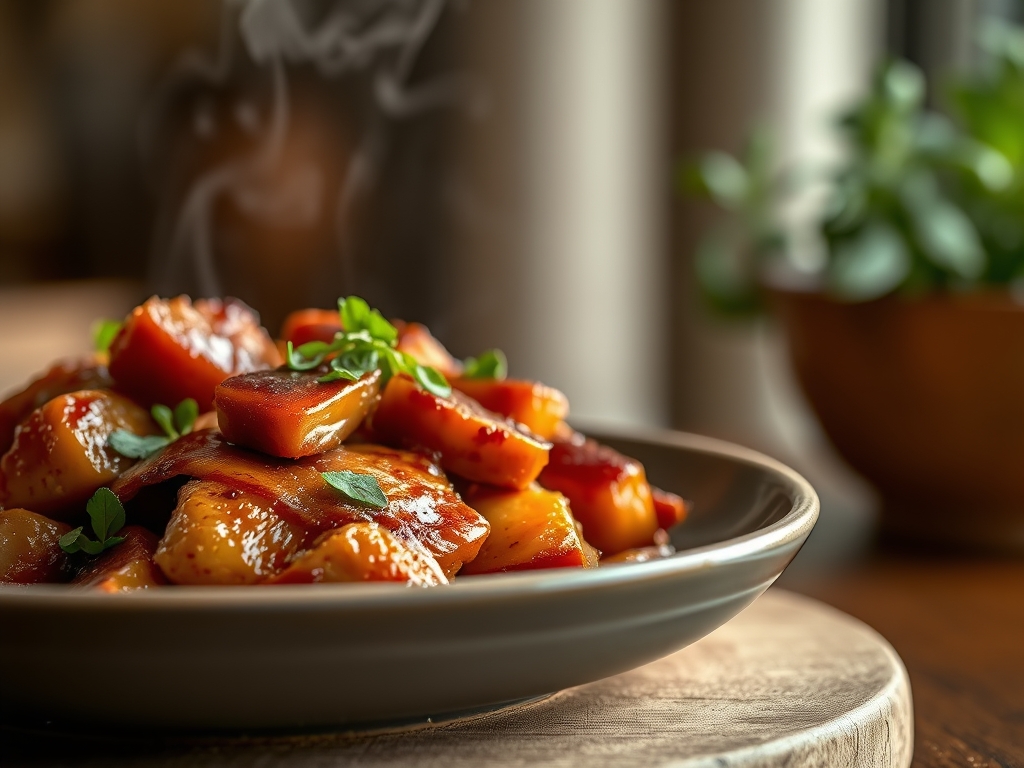
The scent of caramelized honey and five-spice powder hitting a hot pan is a Pavlovian trigger for anyone who loves Cantonese soul food. We are moving beyond the standard takeout box to master char siu chicken recipes that boast that signature ruby-red lacquer and a smoky, charred edge. This is not just dinner; it is a study in the Maillard reaction and the art of the glaze. Whether you are using skin-on thighs for maximum fat rendering or lean breasts for a high-protein meal prep, the goal is a perfect balance of salty, sweet, and umami.
The magic lies in the marinade. Traditionally, char siu refers to fork-roasted pork, but chicken offers a faster cooking time and a lighter profile that absorbs aromatics with incredible efficiency. We are looking for that specific viscous coating that clings to the meat without sliding off into the bottom of your oven. By the time we are done, you will understand how to manipulate sugars and proteins to achieve a professional-grade crust that rivals any high-end rotisserie in Hong Kong. Let us get your kitchen smelling like a five-star brasserie.
The Gathers:
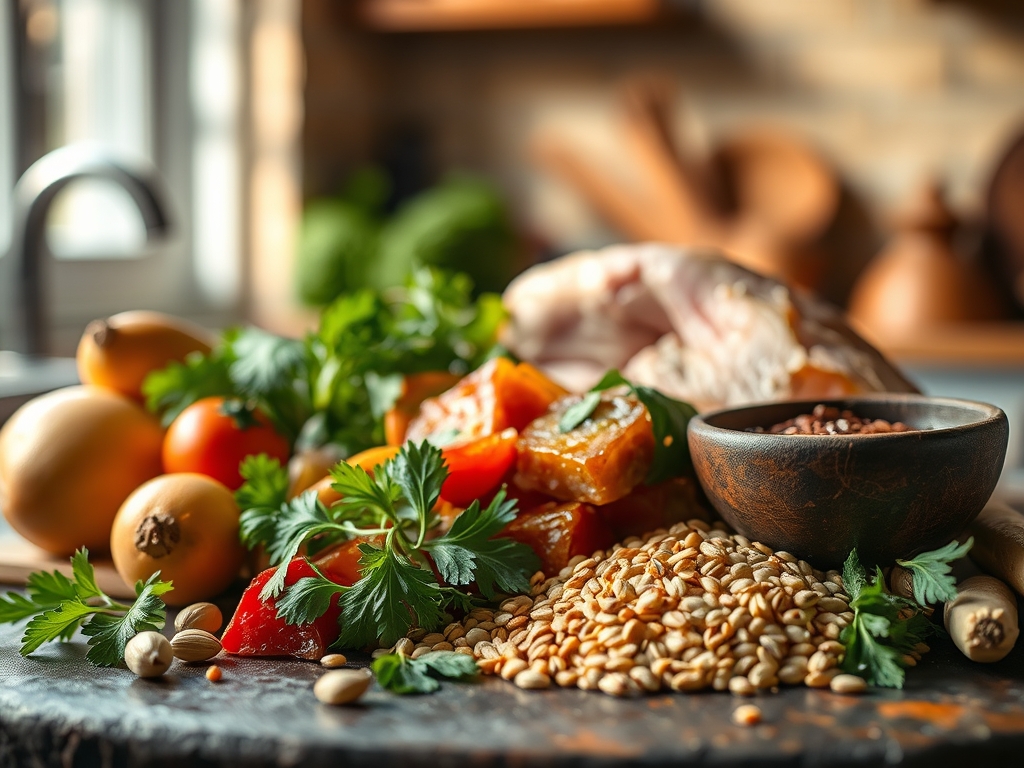
To execute these char siu chicken recipes with precision, your mise-en-place must be impeccable. You will need a heavy-bottomed skillet or a wire rack set over a rimmed baking sheet to allow for 360-degree heat circulation. Start with the aromatics: fresh ginger and garlic. Use a microplane to grate these into a fine paste; this increases the surface area for flavor infusion and prevents large chunks from burning under high heat.
The liquid base requires fermented red bean curd for that authentic piquant depth and natural crimson hue. If you cannot find it, a combination of beet powder and extra hoisin works as a smart substitution. You will also need light soy sauce for salinity and dark soy sauce for that deep, mahogany color. For the sweetener, maltose is the professional choice because of its high viscosity and low sweetness levels, but honey or agave nectar are excellent accessible alternatives. Do not forget the toasted sesame oil to provide a nutty finish and the Shaoxing rice wine to deglaze and cut through the richness of the sugars.
The Clock
Efficiency in the kitchen is about the Chef's Flow. For these char siu chicken recipes, you are looking at 15 minutes of active prep and a minimum of 4 hours for marination. The science of osmosis takes time; the salt in the soy sauce needs a window to penetrate the muscle fibers, which actually helps the meat retain moisture during the high-heat roasting phase.
The cooking time itself is surprisingly brief. In a 425-degree Fahrenheit oven, chicken thighs will reach the safe internal temperature of 165 degrees in about 20 to 25 minutes. If you are using an air fryer, you can shave that down to 15 minutes. Always factor in a 5-minute rest period. This allows for thermal carryover, where the internal temperature continues to rise slightly while the juices redistribute, ensuring your first bite is succulent rather than dry.
The Masterclass
1. The Emulsion Phase
Whisk your hoisin, honey, soy sauces, and spices in a saucier until the mixture is completely homogenous. If your honey has crystallized, gently warm the sauce over low heat to dissolve the solids.
Pro Tip: This creates a stable emulsion. A well-emulsified marinade ensures that the fats and sugars do not separate during the roasting process, leading to a more even and glossy lacquer.
2. The Infusion Soak
Place your chicken in a vacuum-seal bag or a glass bowl. Pour the cooled marinade over the meat, ensuring every crevice is coated. Use your hands to massage the liquid into the protein.
Pro Tip: This is enzymatic tenderization. The acids and salts in the marinade begin to break down tough connective tissues, which significantly improves the final mouthfeel of the chicken.
3. The High-Heat Roast
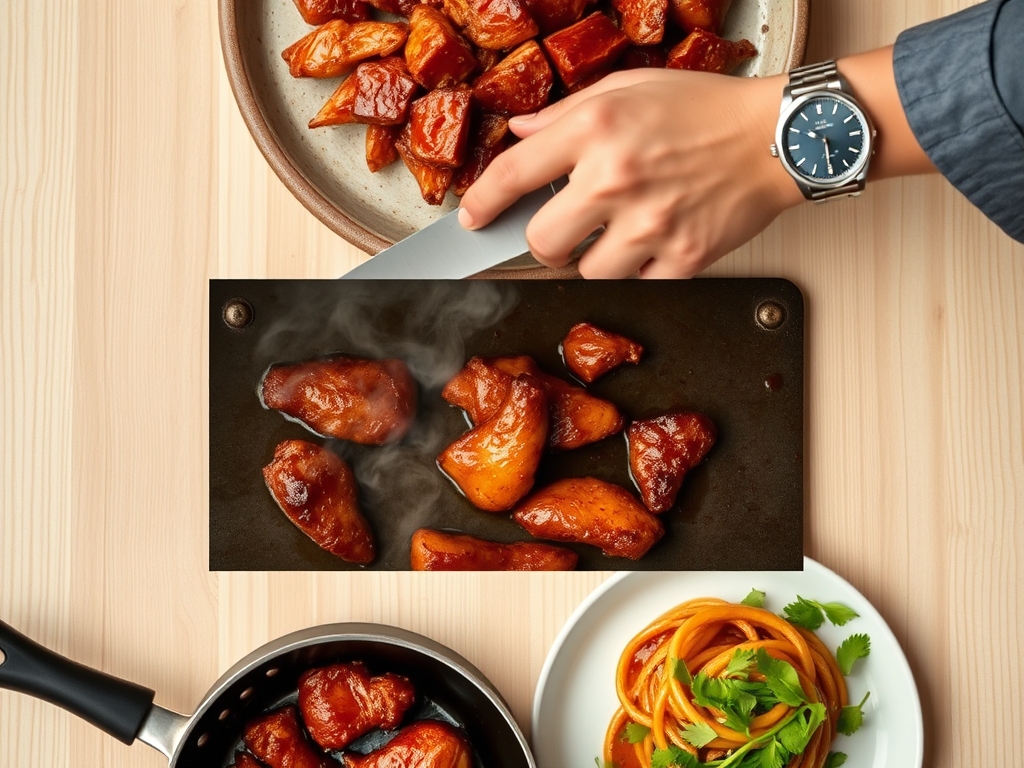
Arrange the chicken on a wire rack. This is crucial for airflow. Roast at a high temperature to trigger the Maillard reaction, which is the chemical reaction between amino acids and reducing sugars that gives browned food its distinctive flavor.
Pro Tip: Elevating the meat prevents it from steaming in its own juices. This dry-heat environment is essential for achieving the "char" in char siu.
4. The Glaze Application
Halfway through the cooking process, use a silicone pastry brush to apply a second layer of the marinade. This is often called "painting" the meat.
Pro Tip: This builds layers of caramelization. By adding fresh sugars to the surface mid-cook, you create a multi-dimensional crust that is both tacky and crisp.
5. The Final Sear
For those who love a bit of "burnt ends" energy, turn on the broiler for the last 120 seconds. Watch it like a hawk.
Pro Tip: This is controlled pyrolysis. You are intentionally pushing the sugars to the edge of carbonization to create those bitter, smoky notes that balance the intense sweetness of the glaze.
The Deep Dive
From a macro perspective, char siu chicken recipes are a protein powerhouse. A standard 6-ounce serving provides roughly 42 grams of protein. While the sugar content in the glaze adds carbohydrates, you can mitigate this by using monk fruit sweetener or sugar-free hoisin for a Keto-friendly version. For a Gluten-Free swap, simply replace the soy sauces with tamari and ensure your hoisin is certified GF.
If you hit a snag, do not panic. Is your sauce too thin? Whisk in a tiny slurry of cornstarch and water to increase the viscosity. Is the skin burning before the meat is cooked? Tent the chicken with aluminum foil to deflect direct radiant heat. If the flavor is too salty, a squeeze of fresh lime juice provides an acidic counterpoint that resets the palate. For meal prep, reheat your chicken in an air fryer or a skillet with a splash of water. Avoid the microwave if possible; it toughens the protein fibers and turns the beautiful glaze into a soggy mess.
The Wrap-Up
Mastering char siu chicken recipes is a gateway to understanding the delicate balance of Cantonese flavors. It is a technical dance between high-heat roasting and sugar management that yields a result far superior to any store-bought alternative. Now that you have the science of the glaze and the mechanics of the roast down, your kitchen is officially the best Chinese BBQ joint in town. Grab your tongs, check your digital scale, and get roasting.
The Kitchen Table
Can I use chicken breasts instead of thighs?
Yes, but reduce the cooking time by 5 to 7 minutes. Breasts lack the intramuscular fat of thighs, so they dry out quickly. Use a digital thermometer to pull them at exactly 160 degrees for carryover cooking.
What gives char siu its red color?
Traditionally, fermented red bean curd provides the hue. Modern versions often use food coloring or beet powder. For a natural approach, highly concentrated hibiscus tea or paprika can add a subtle reddish tint to your marinade.
How do I store leftovers?
Store in an airtight glass container for up to four days. To maintain the glaze texture, reheat in a 350-degree oven for 10 minutes. This helps the sugars re-caramelize rather than becoming watery in a microwave.
Is Shaoxing rice wine essential?
It adds a specific dry, nutty aroma that defines the dish. If you must skip it, dry sherry is the closest technical substitute. Avoid using "cooking wine" from the grocery store as it contains excessive added salt.