
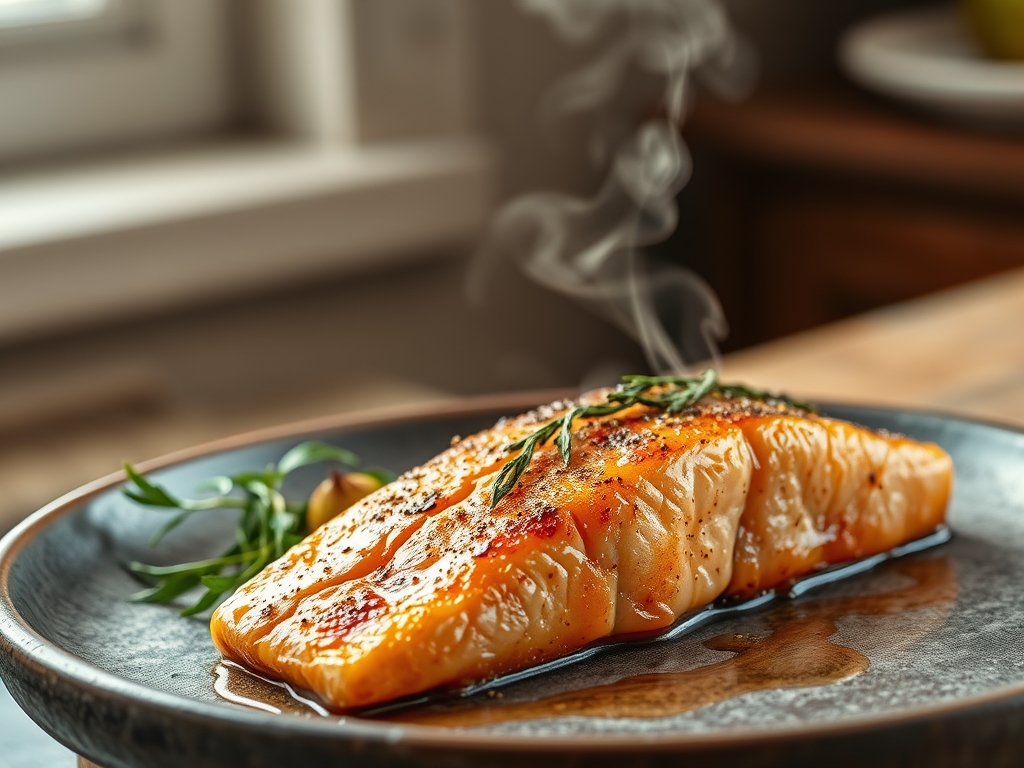
Imagine the sound of a high velocity fan whirring to life while the scent of caramelizing molasses fills your kitchen. We are not just cooking dinner; we are engineering a masterpiece of texture. When you master air fryer salmon recipes brown sugar becomes your secret weapon for achieving a glass like crust that shatters under the fork. This method transforms a humble fillet into a five star entree in under twelve minutes. It is the perfect marriage of convection technology and molecular gastronomy. We are leveraging the intense heat of the air fryer to trigger the Maillard reaction at record speeds. By the time the timer dings; you will have a piece of fish that is succulent on the inside and lacquered with a savory sweet glaze on the outside. This is the ultimate weeknight flex for anyone who craves gourmet results without the gourmet effort. Grab your apron and your favorite tongs because we are about to dive into the chemistry of the perfect sear.
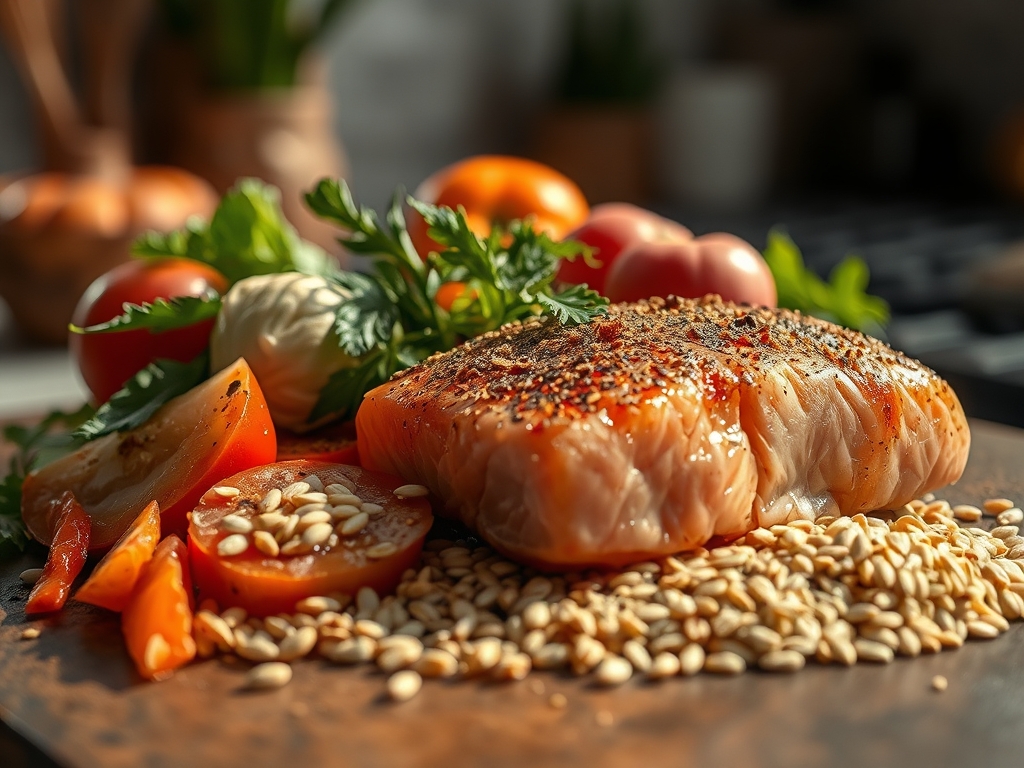
The Gathers:
Setting up your station is about more than just convenience; it is about controlling the variables of heat and moisture. For this recipe, you will need high quality Atlantic or King salmon fillets. Ensure they are patted bone dry with lint free towels. Moisture is the enemy of a crisp exterior. Your dry rub consists of dark brown sugar, which contains more moisture and acidity than light brown sugar due to the higher molasses content. You will also need smoked paprika for depth, garlic powder for an aromatic punch, and kosher salt to draw out the natural proteins.
For the Smart Substitutions, if you are watching your glycemic index, you can swap the sugar for a monk fruit gold blend. This mimicry works because the erythritol provides the bulk while the monk fruit provides the sweetness. If you want a piquant kick, add a pinch of cayenne or chipotle powder. For the fats, reach for avocado oil. It has a high smoke point of 520 degrees Fahrenheit, making it the ideal medium for the high heat environment of an air fryer. Use a microplane to zest a bit of fresh lime over your finished mise-en-place to brighten the heavy fats of the fish.
The Clock: Chef's Flow
Efficiency in the kitchen is a dance of timing. Your total prep time is a mere five minutes, primarily focused on the emulsification of your spices and the drying of the fish. The cook time ranges between eight and ten minutes depending on the thickness of your fillets. However, the "Chef's Flow" includes a critical three minute rest period. During this time, thermal carryover allows the internal temperature to rise by about five degrees without overcooking the delicate exterior. While the salmon rests, you can use a saucier to reduce any leftover marinade into a thick, viscous syrup. Total time from fridge to table is under twenty minutes.
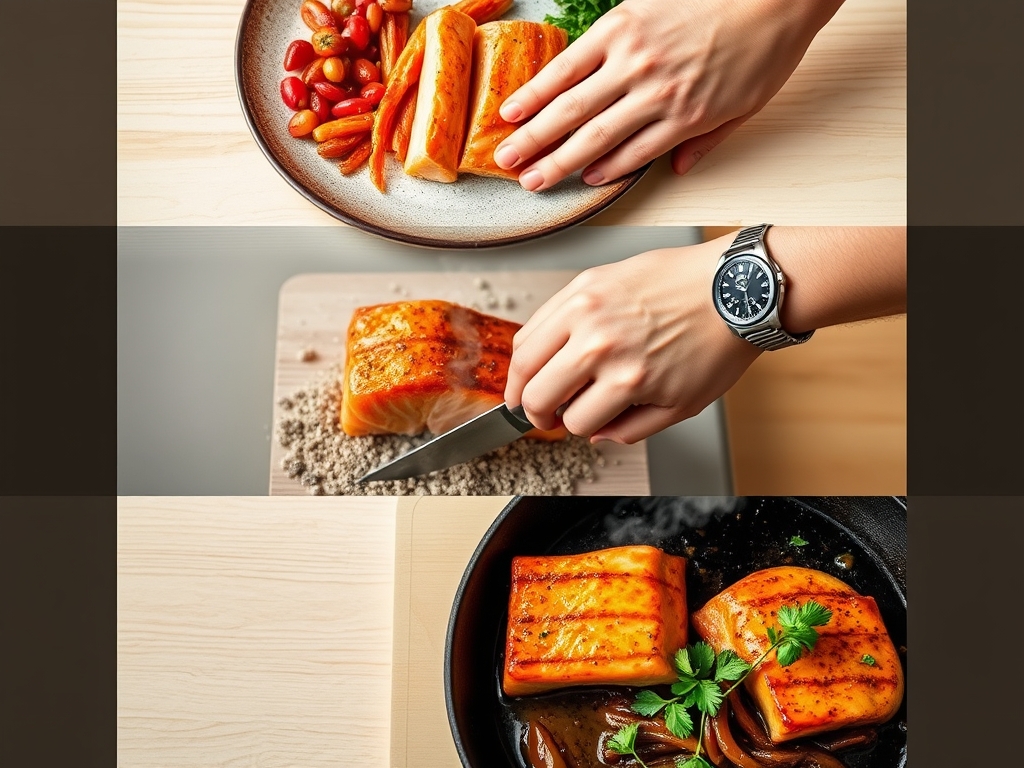
The Masterclass:
1. The Desiccation Phase
Pat the salmon fillets with paper towels until the surface is tacky. This ensures the oil and sugar rub adhere directly to the skin and flesh rather than sliding off in a pool of steam.
Pro Tip: This step prevents the "steaming effect." When moisture is present, the air fryer spends energy evaporating water rather than inducing enzymatic browning via the Maillard reaction.
2. The Oil Application
Lightly coat the fillets with avocado oil using a silicone brush. Ensure every crevice is covered to act as a heat conductor.
Pro Tip: Oil increases the surface area contact with the hot air. This creates a more uniform distribution of heat across the irregular surface of the fish.
3. The Rub Integration
Dredge the top of each fillet in your brown sugar mixture. Press firmly so the granules embed into the flesh.
Pro Tip: The sugar acts as a sacrificial layer. It undergoes pyrolysis at high temperatures, creating a carbonized, flavorful crust that protects the delicate fats underneath from oxidizing.
4. The Preheating Ritual
Fire up your air fryer to 400 degrees Fahrenheit for at least five minutes before adding the fish.
Pro Tip: Placing cold fish into a cold basket leads to sticking. A hot basket creates an immediate sear, which helps the fish release easily when you use your tongs.
5. The Convection Blast
Place the fillets in the basket with at least one inch of space between them. Slide the basket in and set the timer for eight minutes.
Pro Tip: Airflow is everything. Overcrowding the basket causes the air to move slowly, which leads to soggy edges rather than the crisp texture we desire.
6. The Internal Check
Use a digital thermometer to check the thickest part of the fillet. You are looking for 125 to 130 degrees Fahrenheit for a perfect medium.
Pro Tip: Salmon continues to cook after it is removed from the heat. Pulling it at 130 degrees ensures it reaches the FDA recommended 145 degrees during the rest period without becoming chalky.
7. The Resting Period
Transfer the salmon to a warm plate and tent loosely with foil for three minutes.
Pro Tip: This allows the muscle fibers to relax and reabsorb the internal juices. If you cut into it immediately, the moisture will flood the plate, leaving the fish dry.
8. The Glaze Finish
If you have any remaining glaze or juices, use a bench scraper to collect them and drizzle them back over the crust.
Pro Tip: This adds a final layer of viscosity and shine, enhancing the visual appeal and adding a concentrated burst of flavor.
9. The Acidic Balance
Finish with a squeeze of fresh lemon or a sprinkle of flaky sea salt.
Pro Tip: Salt and acid act as flavor enhancers that cut through the richness of the omega 3 fatty acids and the sweetness of the brown sugar.
The Deep Dive:
From a Macro Nutrition perspective, this dish is a powerhouse. A six ounce fillet provides roughly 34 grams of protein and 20 grams of healthy fats. The brown sugar adds about 45 calories, which is a small price to pay for the texture it provides. For Dietary Swaps, vegans can apply this same brown sugar rub to thick slabs of firm tofu or "salmon" made from marinated carrots. For Keto followers, replace the sugar with a granulated erythritol sweetener to keep the net carbs near zero.
The Fix-It: Common Pitfalls
- The Sugar Burnt: If your crust is black but the fish is raw, your sugar layer was too thick. Next time, use a finer dusting or lower the temperature to 375 degrees.
- The Soggy Bottom: This happens if the fish was not dried properly. Use a wire rack inside the air fryer basket to allow air to circulate underneath the skin.
- The Stick: If the fish tears when you move it, you likely skipped the preheating step. Use a thin metal spatula to gently pry it from the basket.
Meal Prep Science: To reheat, do not use a microwave. The microwave agitates water molecules, making the fish rubbery. Instead, use the air fryer at 320 degrees for three minutes. This restores the crispness of the sugar crust while gently warming the center.
The Wrap-Up:
You have now mastered the art of air fryer salmon recipes brown sugar style! By understanding the science of heat transfer and the chemistry of caramelization, you have leveled up your kitchen game. This dish is proof that with the right tools and a little bit of "smart girl" logic, you can create restaurant quality meals in the comfort of your own home. Now, go serve this up and watch everyone marvel at that perfect, crackling crust.
The Kitchen Table:
Can I use frozen salmon for this recipe?
Yes; however, you must thaw it completely in the refrigerator first. Excess ice crystals will turn into steam, which prevents the brown sugar from forming a crisp crust. Always pat the thawed fish dry before applying your oil and rub.
Why does my salmon have white stuff on it?
That white substance is albumin, a protein that pushes to the surface when salmon cooks too fast or too long. To minimize this, try a quick salt brine before cooking or lower the air fryer temperature slightly to 380 degrees.
How do I store leftovers without them smelling?
Store your salmon in an airtight glass container rather than plastic. Glass does not absorb odors. Consume within two days to ensure the fats do not oxidize, which is what creates that overly "fishy" scent and flavor.
What is the best way to clean the air fryer basket?
Deglaze the basket while it is still warm by soaking it in hot, soapy water. The residual heat helps break down the caramelized sugar. Avoid abrasive scrubbers that can damage the non stick coating; use a soft sponge instead.