
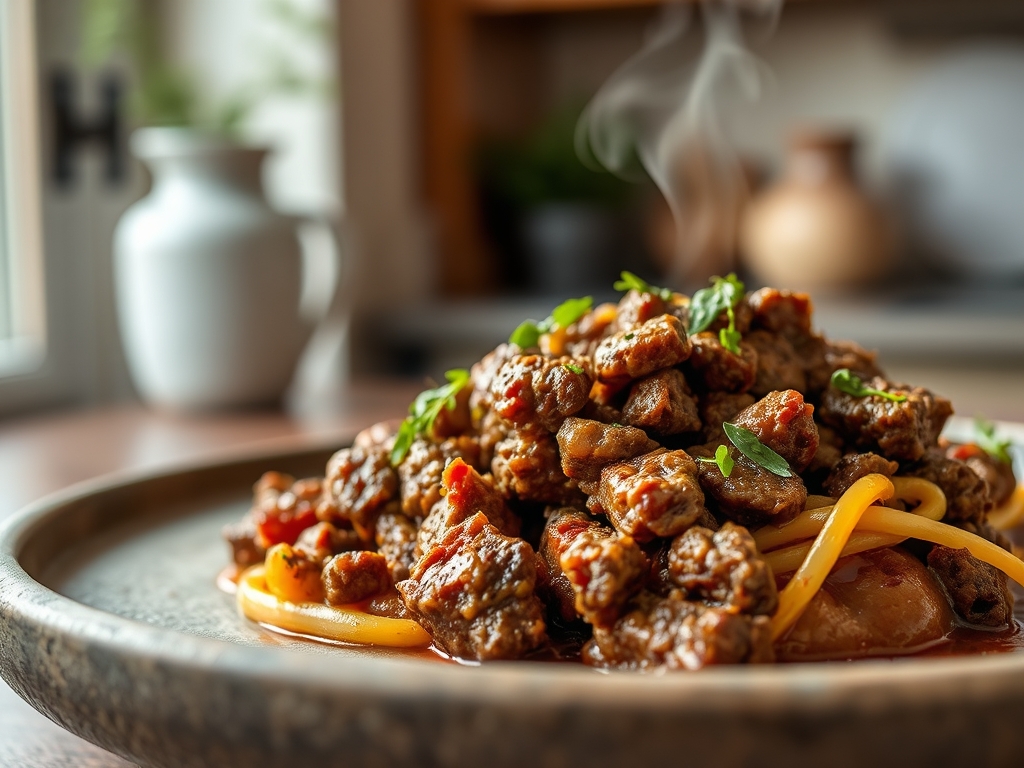
Picture the scent of rendered fat hitting a blistering heavy-bottomed skillet; it is the olfactory equivalent of a warm hug. When you are craving comfort but keeping things light, mastering easy low carb ground beef recipes is your ultimate culinary superpower. We are ditching the heavy starches and focusing on the science of flavor to create meals that feel like a decadent indulgence.
The beauty of ground beef lies in its versatility and its ability to act as a flavor sponge. By understanding the molecular magic of browning and the delicate balance of acidity, we can transform a humble pound of protein into a weeknight masterpiece. Forget the bland, dry patties of yesteryear. We are diving into a world where texture is king and every bite is an explosion of savory satisfaction. We will explore how to achieve that perfect sear without the sugar-laden sauces, ensuring your kitchen becomes the hottest bistro in town. Whether you are aiming for a spicy Korean-inspired bowl or a rich, cheesy skillet bake, the fundamentals remain the same. It is about heat management, seasoning timing, and a little bit of kitchen wit. Let us get those burners glowing and redefine what a quick dinner looks like.
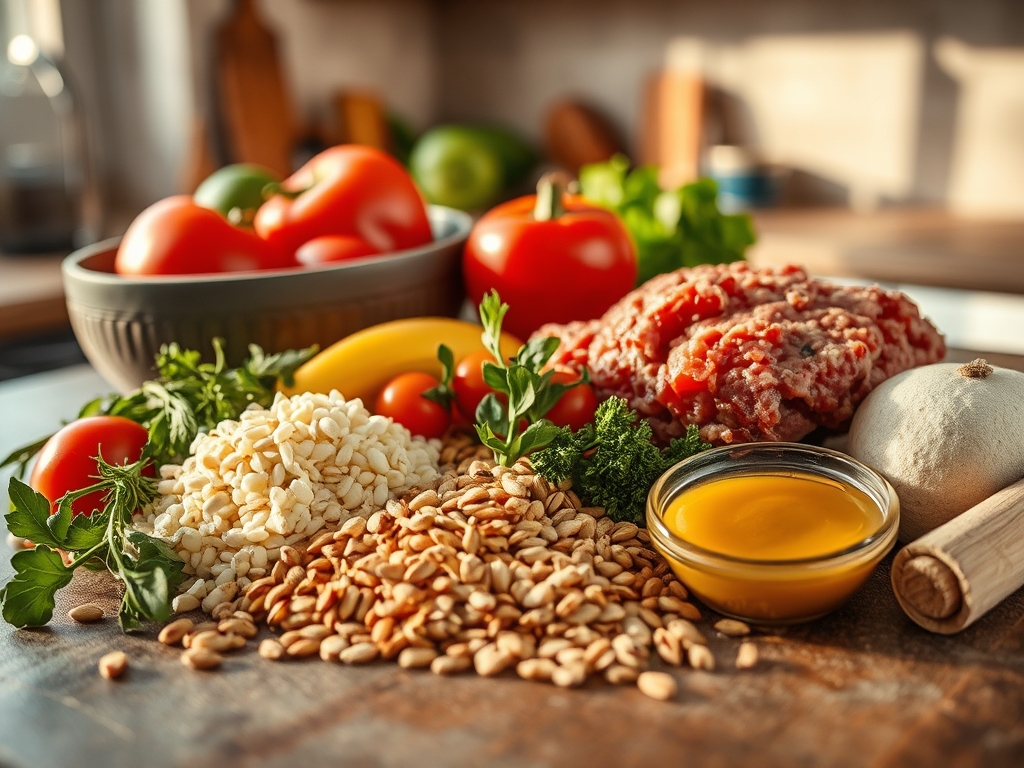
The Gathers:
Before we ignite the flame, we must respect the mise-en-place. For these easy low carb ground beef recipes, your primary medium is 80/20 grass-fed beef. This ratio is vital; the 20 percent fat content provides the lipids necessary for a luscious mouthfeel and prevents the protein fibers from tightening into tough nodules. You will also need a collection of aromatics: pungent garlic, sharp shallots, and perhaps some ginger for a piquant kick.
Smart Substitutions are the secret weapon here. Instead of traditional breadcrumbs, which act as a binder by absorbing moisture through starch gelatinization, we use almond flour or crushed pork rinds. These alternatives provide the necessary structural integrity without the glycemic load. For sauces, swap out cornstarch slurries for a pinch of xanthan gum to achieve a viscous consistency. You should also have high-quality fats on hand, such as ghee or avocado oil, which boast high smoke points. Grab your microplane for zesting citrus or grating hard cheeses; this tool increases the surface area of your ingredients, allowing flavors to infuse the fat more efficiently. Finally, keep a bottle of apple cider vinegar or fresh lemon juice nearby to provide an acidic "brightness" that cuts through the richness of the beef.
The Clock: 25 Minutes to Glory
Efficiency in the kitchen is all about the Chef's Flow. This is the art of overlapping tasks to minimize downtime. For these nine variations, the prep time is a brisk 10 minutes, while the active cook time rarely exceeds 15 minutes.
The flow begins with the "Cold Start." While your skillet is still cool, mince your aromatics and prep your vegetables. By the time your heavy-bottomed skillet has preheated to the point where a drop of water dances and evaporates instantly, your ingredients should be staged and ready. The beef typically requires 5 to 7 minutes to reach a state of perfect caramelization. During the final 3 minutes of cooking, you will introduce your delicate greens or quick-cooking vegetables like riced cauliflower. This ensures they soften through residual steam without becoming a mushy mess. By the time you have wiped down your bench scraper, dinner is served.
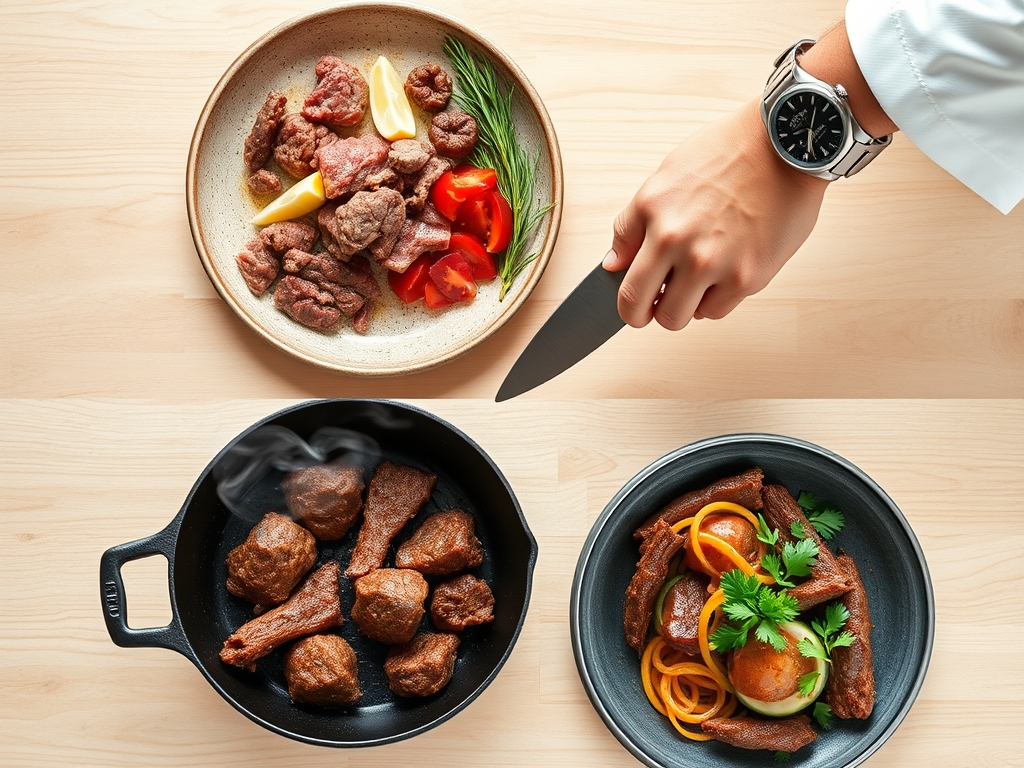
The Masterclass
1. The Sear and Render
Place your beef in the hot skillet, but do not touch it for at least two minutes. Use a stiff metal spatula to press the meat down, ensuring maximum contact with the heat source.
Pro Tip: This patience facilitates the Maillard Reaction, a chemical reaction between amino acids and reducing sugars that creates hundreds of different flavor compounds and that signature brown crust.
2. The Aromatic Infusion
Once the meat is browned, push it to the perimeter of the pan and drop your aromatics into the center. Use the rendered tallow as a cooking medium for your garlic and onions.
Pro Tip: Fat is a flavor carrier. By sautéing aromatics in the beef fat, you infuse the entire dish with deep, layered savory notes that water-based liquids simply cannot replicate.
3. The Deglaze
Add a splash of beef bone broth or a dry red wine to the pan. Use your spatula to scrape up the brown bits stuck to the bottom.
Pro Tip: Those stuck bits are called fond. Deglazing releases these concentrated flavor nuggets back into the sauce, creating a complex, umami-rich profile.
4. The Vegetable Integration
Fold in your low-carb bulk, such as shredded cabbage or zucchini ribbons. Toss them quickly to coat them in the pan juices.
Pro Tip: Use thermal carryover to your advantage. Turn off the heat just before the vegetables are done; the latent heat in the beef will finish cooking them to a perfect al dente.
5. The Emulsification
If your recipe calls for a creamy element, stir in a dollop of cream cheese or heavy cream at the very end, off the heat.
Pro Tip: Adding dairy over high heat can cause it to break. Adding it at the end allows for a smooth emulsification, resulting in a velvety sauce that clings to every morsel.
The Deep Dive
When we look at the macro nutrition of these easy low carb ground beef recipes, we are seeing a powerhouse of satiety. A standard serving offers roughly 25 grams of protein and 18 grams of healthy fats, with net carbs often falling below 5 grams. This profile is ideal for maintaining stable blood sugar levels and keeping you full for hours.
For dietary swaps, vegans can substitute ground beef with a pea-protein crumble, though you may need to add a teaspoon of liquid smoke to mimic the beef's depth. Keto enthusiasts should lean into higher-fat cuts or add an avocado garnish. If you are strictly Gluten-Free, ensure your tamari or soy sauce substitutes are certified, as hidden wheat is a common culprit in savory sauces.
The Fix-It:
- The Greasy Skillet: If the dish feels too oily, use a paper towel held with tongs to mop up excess fat before adding your sauce.
- The Gray Meat: This happens when the pan is overcrowded, causing the meat to steam rather than sear. Fix it by cooking in smaller batches or using a larger surface area.
- The Salt Bomb: If you over-salted, add a splash of acid (vinegar or lime) or a spoonful of sour cream to neutralize the perception of salt on the palate.
For meal prep, reheating science is key. To maintain "day-one" quality, avoid the microwave if possible. Instead, reheat the beef in a skillet with a tablespoon of water or broth. This creates a mini-steam chamber that rehydrates the protein fibers without making them rubbery.
The Wrap-Up
You are now officially armed with the technical prowess to turn a simple pack of beef into a rotating gallery of easy low carb ground beef recipes. Remember, cooking is as much about the physics of heat as it is about the soul of the ingredients. Use your tools, trust your senses, and do not be afraid to let that skillet get a little bit loud. You have got the science, the style, and the skills to make every weeknight feel like a gourmet event. Now, go forth and sear!
The Kitchen Table
Can I freeze these ground beef meals?
Yes, ground beef dishes freeze beautifully. Ensure the meat is completely cooled before sealing in airtight containers. This prevents ice crystal formation, which can compromise the texture. Thaw in the refrigerator overnight before reheating in a skillet for the best results.
How do I prevent the beef from getting dry?
Avoid overworking the meat before it hits the pan; tightly packed beef becomes dense. Use a high-fat ratio (80/20) and remove from heat as soon as the pink disappears to capitalize on residual cooking heat.
What is the best way to drain excess fat?
Tilt your skillet and use a spoon to ladle out liquid fat into a ceramic bowl. Alternatively, use tongs to hold a wadded paper towel and carefully blot the pan. Never pour hot grease down your sink drain.
Why is my ground beef turning gray instead of brown?
Gray meat is a result of moisture being trapped. This happens if the pan is not hot enough or is overcrowded. To fix this, cook in batches and ensure the meat is patted dry with paper towels before hitting the skillet.