
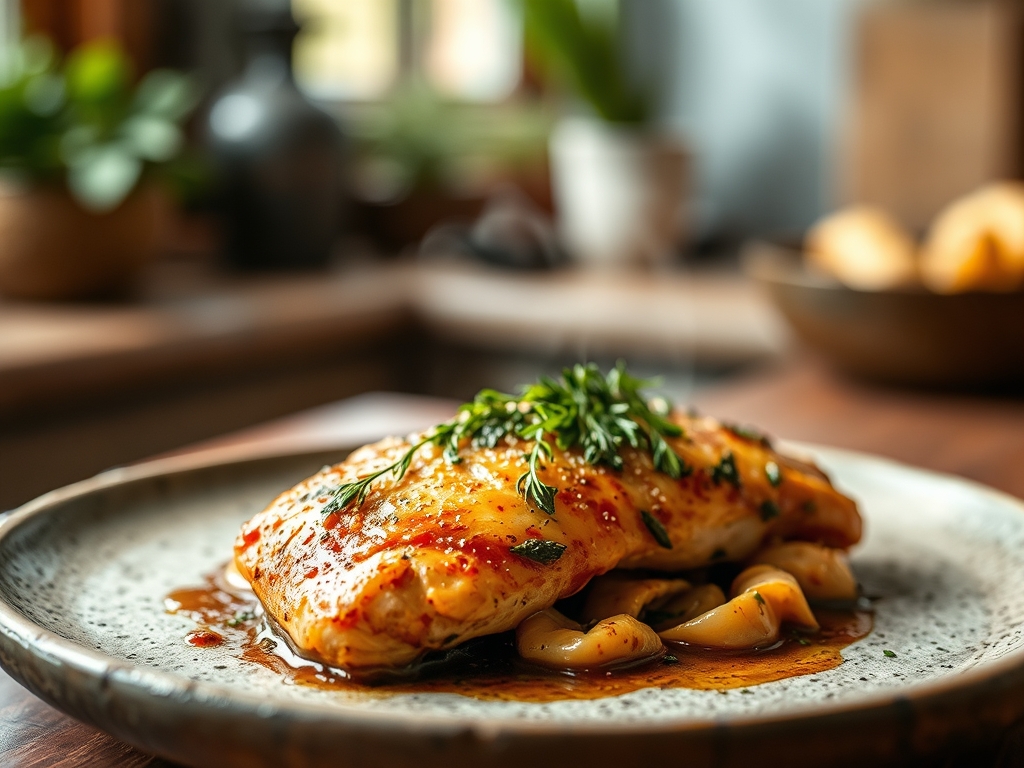
Imagine the scent of lavender fields colliding with the savory punch of rendering poultry fat. When you master traditional provencal chicken recipes, you are not just cooking dinner; you are conducting a symphony of Mediterranean chemistry. The air in your kitchen transforms as garlic cloves soften in golden olive oil and rosemary sprigs release their volatile oils under the heat.
The beauty of these provencal chicken recipes lies in the balance of acidity and fat. We are talking about bone-in thighs that shatter with a crisp skin, nestled against briny olives and sun-ripened tomatoes. It is a rustic elegance that feels effortless but relies on specific molecular reactions to achieve that deep, soulful flavor profile. Whether you are hosting a patio long-lunch or seeking a weeknight escape, this is the gold standard of French comfort.
The Gathers:
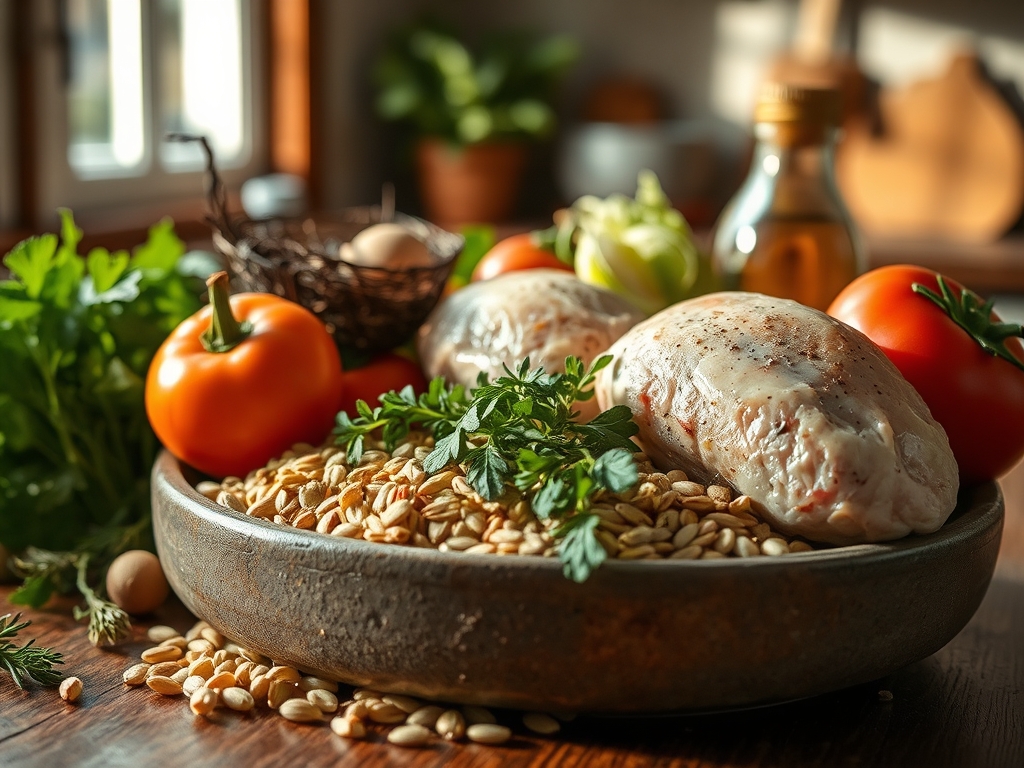
To execute these provencal chicken recipes with precision, your mise-en-place must be impeccable. Start with high-quality chicken thighs; the high connective tissue content ensures a viscous sauce through gelatin release. You will need a heavy-bottomed skillet, preferably cast iron or enameled steel, to maintain thermal mass.
Gather your aromatics: shallots, whole garlic cloves, and a bouquet garni of thyme and rosemary. The piquant kick comes from Niçoise olives and capers, which provide a salty contrast to the sweetness of San Marzano tomatoes. Use a microplane to zest a lemon, adding essential oils that brighten the heavy fats.
Smart Substitutions:
If you cannot find Niçoise olives, Kalamatas offer a similar brine profile. For a lower-sodium version, soak your capers in cold water for ten minutes to leach excess salt without losing the floral notes. If fresh herbs are unavailable, use one-third the amount of dried herbs, as their oils are more concentrated.
The Clock
Efficiency in the kitchen is about the Chef's Flow. Expect 20 minutes of active prep and 45 minutes of cooking. The flow is simple: while the chicken renders its fat in the pan, you chop your aromatics. While the sauce reduces, you prepare your side. This overlapping timeline ensures you are never standing idle while the clock ticks.
Total time: 65 minutes.
Prep: 20 minutes.
Cook: 45 minutes.
The Masterclass
1. The Maillard Sear
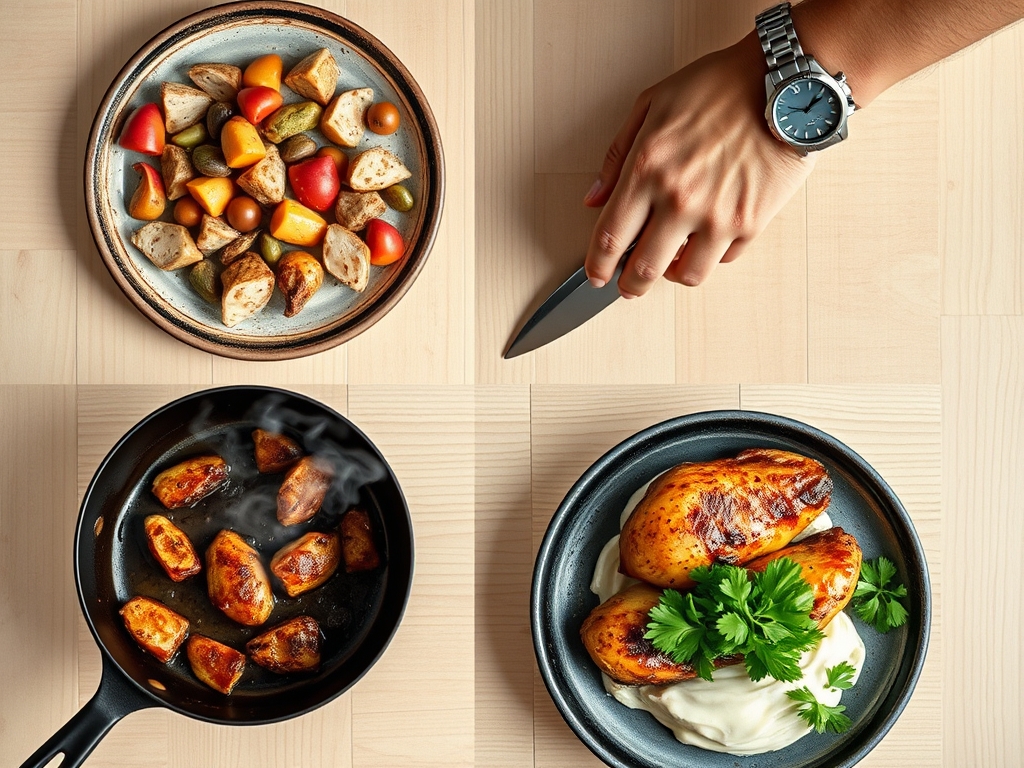
Pat the chicken skin bone-dry with paper towels. Season aggressively with kosher salt. Place the chicken skin-side down in a cold heavy-bottomed skillet and turn the heat to medium. This allows the fat to render slowly, resulting in a glass-like crunch.
Pro Tip: This is the Maillard Reaction at work. By starting in a cold pan, you prevent the skin from shrinking too quickly, allowing the proteins and sugars to brown evenly without burning the exterior before the fat liquefies.
2. Sautéing the Aromatics
Remove the chicken once the skin is golden. Leave two tablespoons of fat in the pan. Toss in your shallots and whole garlic cloves. Use your tongs to move them constantly until they become translucent and fragrant.
Pro Tip: Sautéing aromatics in chicken fat creates an infusion. The fat-soluble flavor compounds in the garlic and shallots dissolve into the oil, ensuring every drop of the final sauce is packed with flavor.
3. The Deglaze
Pour in a dry white wine, such as a Sauvignon Blanc. Use a wooden spoon or bench scraper to lift the "fond" (the brown bits) from the bottom of the pan. This is liquid gold.
Pro Tip: Deglazing is a chemical process where the acidity of the wine dissolves the caramelized proteins stuck to the pan. This incorporates complex, savory notes into your sauce that cannot be replicated with water alone.
4. The Braise
Add your tomatoes, olives, and herbs back into the pan. Nestle the chicken on top, keeping the skin above the liquid line to maintain its texture. Transfer the pan to a 375 degree oven.
Pro Tip: This is a partial braise. The bottom of the chicken stays moist and absorbs the sauce through osmosis, while the dry heat of the oven continues to crisp the skin through evaporative cooling.
5. The Emulsification
Once the chicken reaches an internal temperature of 165 degrees on a digital scale or thermometer, remove it. Whisk in a knob of cold butter or a splash of heavy cream into the remaining sauce.
Pro Tip: This creates a temporary emulsion. The fats in the butter bind with the water-based sauce, creating a silky, viscous mouthfeel that coats the back of a spoon perfectly.
The Deep Dive
Macro Nutrition:
A standard serving provides approximately 35g of protein, 22g of fat, and 8g of carbohydrates. The fats are primarily monounsaturated if using high-quality olive oil, making this a heart-healthy Mediterranean staple.
Dietary Swaps:
- Vegan: Replace chicken with thick slabs of cauliflower or firm tofu. Use vegetable stock instead of chicken fat.
- Keto: This recipe is naturally keto-friendly. Ensure your wine is bone-dry to minimize residual sugars.
- GF: This dish is naturally gluten-free; just double-check that your chicken stock contains no hidden thickeners.
The Fix-It:
- Soggy Skin: If the skin loses its crunch, flash it under the broiler for 60 seconds before serving.
- Broken Sauce: If the sauce looks oily, whisk in a tablespoon of warm water to re-emulsify the fats.
- Bitter Aftertaste: This usually comes from burnt garlic. Balance it with a pinch of sugar or a squeeze of fresh lemon juice.
Meal Prep & Reheating:
To maintain "day-one" quality, store the sauce and chicken separately if possible. Reheat the chicken in an air fryer or oven at 350 degrees to restore the skin's texture. Warm the sauce in a saucier over low heat, adding a splash of broth to loosen the proteins.
The Wrap-Up
Mastering provencal chicken recipes is like unlocking a secret door to the French countryside. It is a technique-heavy approach that yields soulful, rustic results. Once you understand the science of the sear and the power of the deglaze, you can riff on these flavors forever. Now, grab your skillet and let those aromatics sing!
The Kitchen Table
What is the best chicken cut for Provencal recipes?
Bone-in, skin-on thighs are superior. The bone adds depth to the sauce through marrow release, while the skin provides essential fats for the Maillard reaction, ensuring the meat remains succulent during the braising process.
Can I make this recipe in a slow cooker?
Yes, but you will lose the crispy skin texture. To compensate, sear the chicken in a heavy-bottomed skillet before adding it to the slow cooker. This ensures you still get those complex, caramelized flavors in the base.
What wine pairs best with Provencal chicken?
A crisp, dry Rosé from Provence is the traditional choice. Its acidity cuts through the richness of the chicken fat, while its floral notes complement the lavender and thyme in the herb blend.
How do I prevent the olives from making the dish too salty?
Always rinse your olives and capers under cold water before adding them to the pan. This removes excess surface brine, allowing the natural fruitiness of the olives to shine without overwhelming the delicate balance of the sauce.