
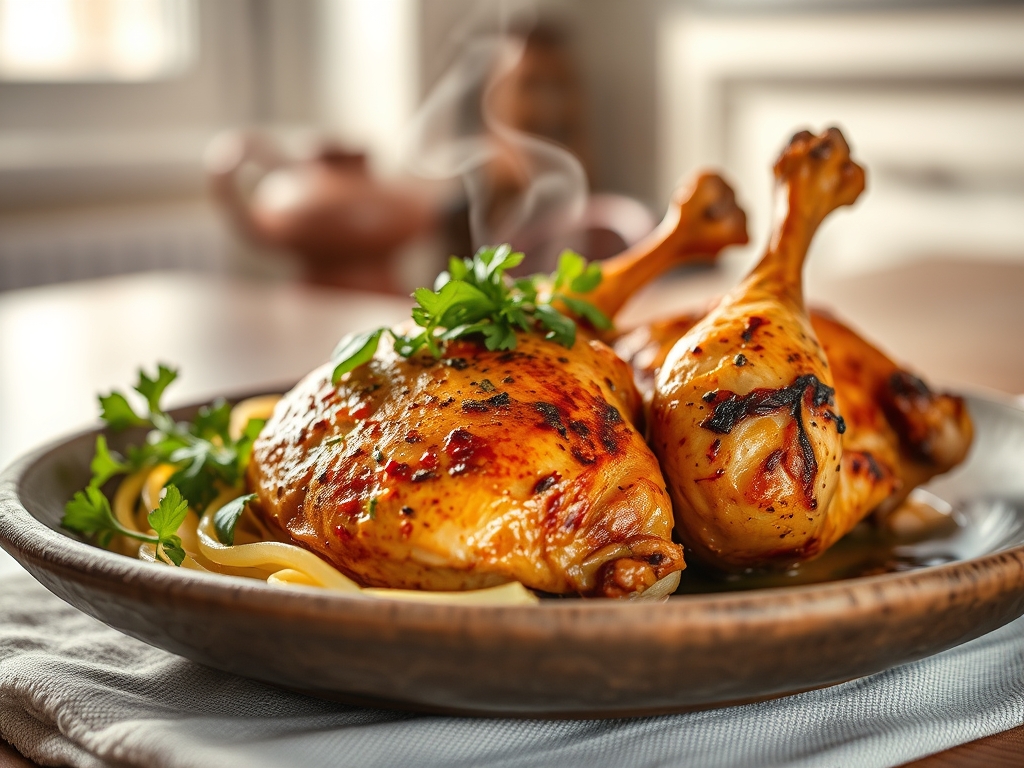
Picture this: you are walking through a bustling market in Lima and the air is thick with the scent of smoldering charcoal and rendered fat. That specific, intoxicating aroma is the hallmark of the world's most addictive poultry. When searching for authentic peruvian roasted chicken recipes, you are not just looking for dinner; you are chasing a sensory explosion of piquant peppers and crispy, lacquered skin.
The secret to Pollo a la Brasa is not just the heat; it is the chemistry of the marinade. We are going to transform a humble bird into a masterpiece of umami using specific tools and molecular techniques. From the way the acids break down connective tissue to the specific temperature where the skin becomes glass-like, we are diving deep. Grab your apron and your favorite heavy-bottomed skillet; we are about to make your kitchen smell like a professional rotisserie.
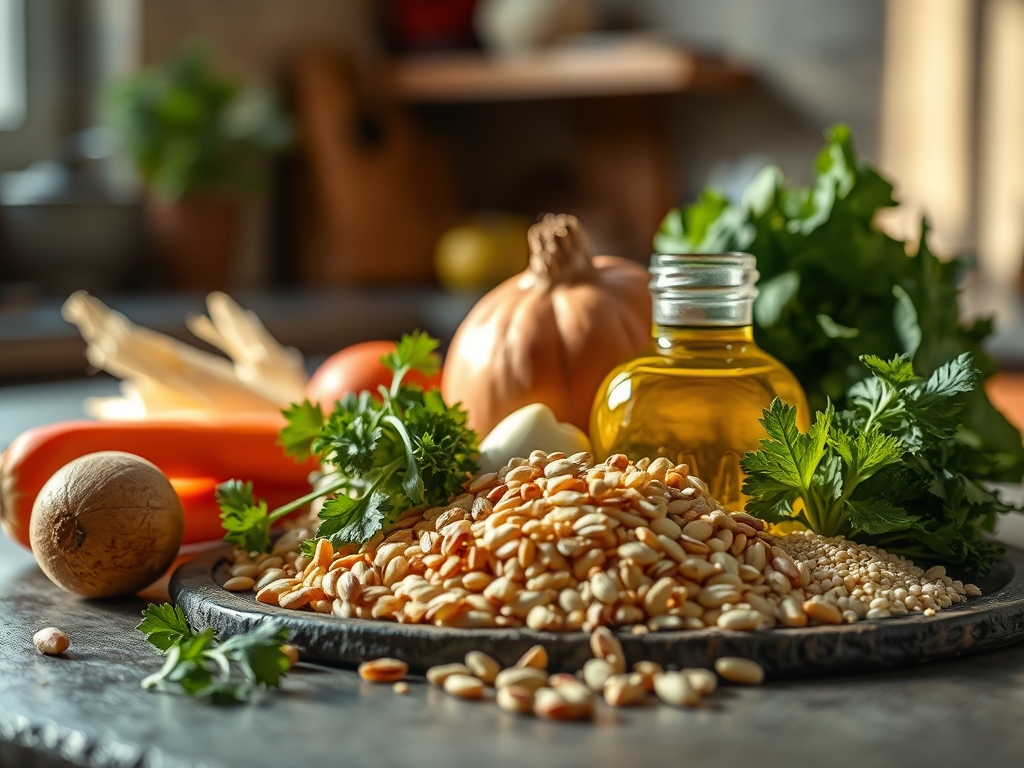
The Gathers:
To execute this properly, your mise-en-place must be precise. Start with a four-pound organic chicken. You will need a high-quality microplane to zest your aromatics and a digital scale to ensure your spice ratios are perfect. The marinade is a viscous slurry of Aji Amarillo paste, Aji Panca, soy sauce, lime juice, and toasted cumin.
The Aji Panca provides a deep, smoky undertone without overwhelming heat, while the Aji Amarillo offers a bright, fruity finish. Use a saucier to lightly toast your cumin seeds before grinding them; this heat triggers the release of essential oils, making the flavor more volatile and aromatic.
Smart Substitutions: If you cannot find Aji Panca, a blend of smoked paprika and a touch of molasses mimics that earthy sweetness. No Aji Amarillo? Use a mix of habanero for heat and yellow bell pepper for color. Instead of soy sauce, use liquid aminos for a gluten-free profile that maintains that essential savory backbone.
The Clock:
Mastering the "Chef's Flow" is about managing your thermal inertia.
- Prep Time: 30 minutes (including spatchcocking and blending).
- Marination: 12 to 24 hours (non-negotiable for deep flavor infusion).
- Cook Time: 60 to 75 minutes.
- Resting: 15 minutes.
Efficiency is key. While the bird marinates, prepare your Aji Verde sauce. This allows the flavors to emulsify and mellow in the fridge. Always pull your chicken out of the refrigerator 45 minutes before roasting. Bringing the protein to room temperature ensures even heat distribution and prevents the exterior from overcooking before the joints reach safety.
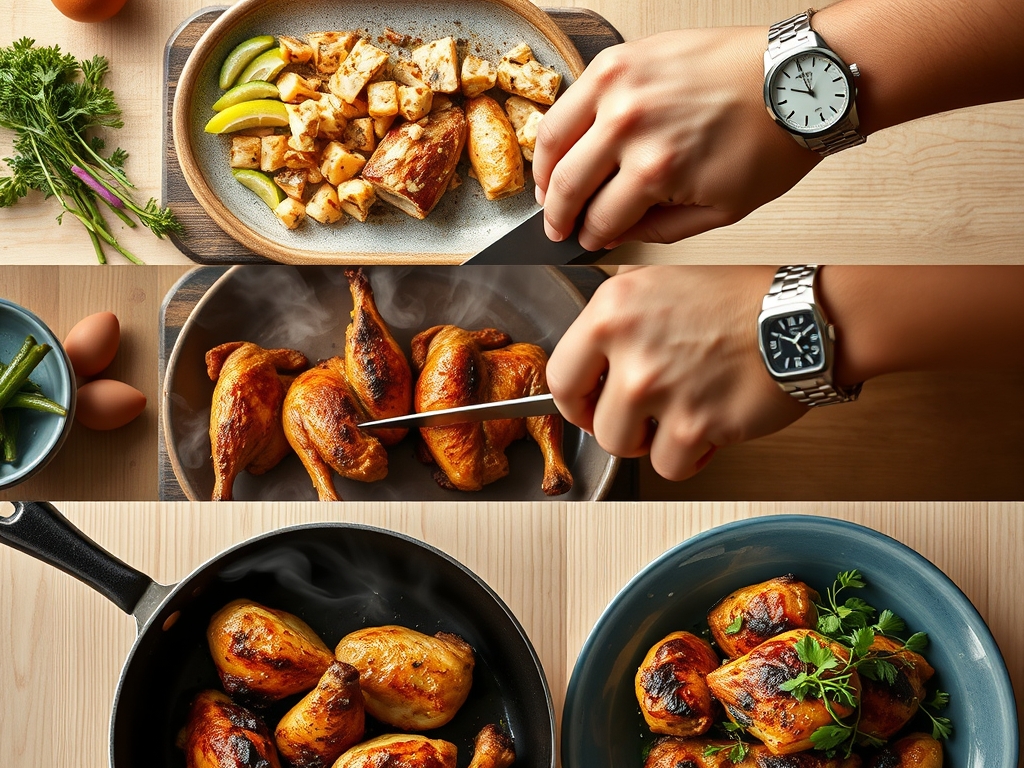
The Masterclass:
1. Spatchcock for Surface Area
Use heavy-duty kitchen shears to remove the backbone. Lay the chicken flat and press down on the breastbone until it cracks. This technique increases the surface area exposed to direct heat, ensuring the dark meat and white meat finish at the same time.
Pro Tip: This is about conductive heat. By flattening the bird, you eliminate the hollow cavity, allowing heat to penetrate the thickest parts of the thigh faster and preventing the breast from drying out.
2. The Under-Skin Infusion
Using your fingers, gently separate the skin from the breast and thigh meat. Shove that thick, piquant marinade directly against the flesh. Use a silicone spatula to smooth the marinade into every crevice.
Pro Tip: This facilitates osmotic pressure. Salt and acid in the marinade penetrate the muscle fibers, breaking down proteins and allowing the meat to retain more moisture during the roasting process.
3. The Salt Brine Barrier
Once the marinade is under the skin, pat the exterior skin completely dry with paper towels. Sprinkle a generous layer of kosher salt over the surface. Do not skip this; moisture is the enemy of a crisp crust.
Pro Tip: This triggers hygroscopy. The salt draws moisture out of the skin, which then evaporates in the oven, allowing the subcutaneous fat to render more efficiently and creating that signature "snap."
4. The High-Heat Launch
Start your oven at 425 degrees Fahrenheit. Place the chicken on a wire rack set over a rimmed baking sheet. This allows hot air to circulate 360 degrees around the bird.
Pro Tip: This utilizes convection. Elevating the meat prevents the bottom from poaching in its own juices, ensuring the Maillard reaction occurs uniformly across the entire surface of the bird.
5. The Internal Monitoring
Use a digital probe thermometer inserted into the thickest part of the thigh. You are looking for 165 degrees Fahrenheit, but pull the bird at 160 degrees.
Pro Tip: This accounts for thermal carryover. The internal temperature will continue to rise by 5 to 7 degrees after removal from the oven as the kinetic energy equilibrates throughout the muscle tissue.
6. The Glaze and Deglaze
In the final ten minutes, brush the skin with a mixture of honey and a splash of the marinade. Once the chicken is out, use a bench scraper to loosen the browned bits (fond) from the pan to incorporate into a side jus.
Pro Tip: The sugars in the honey undergo caramelization at high temperatures, providing a glossy finish and a complex sweetness that balances the acidity of the lime.
7. The Rest Period
Transfer the chicken to a warm carving board. Do not tent it tightly with foil; this creates steam which will soften that hard-earned crispy skin. Let it rest for at least 15 minutes.
Pro Tip: Resting allows the viscosity of the internal juices to increase as they cool slightly, reabsorbing into the muscle fibers rather than spilling out onto the board when you slice.
8. The Aji Verde Emulsification
While the meat rests, blend cilantro, jalapeño, garlic, lime, and mayonnaise. Use an immersion blender to aerate the sauce until it is light and fluffy.
Pro Tip: The lecithin in the mayonnaise acts as an emulsifier, binding the watery lime juice and oil-based aromatics into a stable, creamy sauce that cuts through the richness of the roasted fat.
The Deep Dive:
Macro Nutrition: One serving (approx. 6oz) provides roughly 380 calories, 35g of protein, and 22g of fat. It is a high-protein powerhouse, though the sodium content can be high due to the soy sauce and brine.
Dietary Swaps:
- Vegan: Use the same marinade on thick "steaks" of cauliflower or oyster mushrooms. Roast until the edges are charred.
- Keto: This recipe is naturally keto-friendly! Just ensure your Aji pastes do not have added sugar.
- GF: Swap soy sauce for tamari or coconut aminos.
The Fix-It:
- Soggy Skin: Your oven was too crowded or the skin was wet. Next time, use a larger pan and pat the bird dry until the paper towel comes away clean.
- Burnt Spices: If the marinade is scorching, lower the rack in your oven. The sugars in the peppers can burn if they are too close to the top heating element.
- Dry Breast: You likely overshot the temperature. Use a digital thermometer and trust the carryover cooking.
Meal Prep: To reheat and maintain "day-one" quality, avoid the microwave. Place leftovers in a 350-degree oven for 10 minutes. This re-activates the fats and recrisps the skin without turning the meat into rubber.
The Wrap-Up:
You now have the technical blueprint for the ultimate Peruvian feast. By focusing on the science of the Maillard reaction and the precision of your mise-en-place, you have elevated a simple chicken into a culinary event. Remember, the magic is in the marinade and the patience of the rest. Now, grab those tongs, carve that bird, and watch your friends marvel at your kitchen wizardry!
The Kitchen Table:
How do I get the skin extra crispy?
Ensure the skin is bone-dry before roasting. Use a wire rack to allow air circulation and apply salt to draw out moisture. High heat (425F) is essential for rendering the subcutaneous fat into a crisp, glass-like texture.
Can I make this in an air fryer?
Yes! Spatchcock a smaller chicken to fit. The intense convection of the air fryer is perfect for Peruvian chicken. Cook at 375F for about 45-50 minutes, flipping halfway through to ensure the skin renders evenly on both sides.
What is the best side dish for this?
Traditionally, serve with thick-cut fries and a simple salad with lime dressing. The acidity of the salad and the starch of the potatoes balance the intense, smoky heat of the Aji Panca marinade and the creamy Aji Verde sauce.
How long can I marinate the chicken?
For maximum flavor, aim for 12 to 24 hours. Beyond 24 hours, the acid in the lime juice and vinegar may begin to "cook" the meat proteins, potentially giving the chicken a slightly mushy or mealy texture once roasted.