
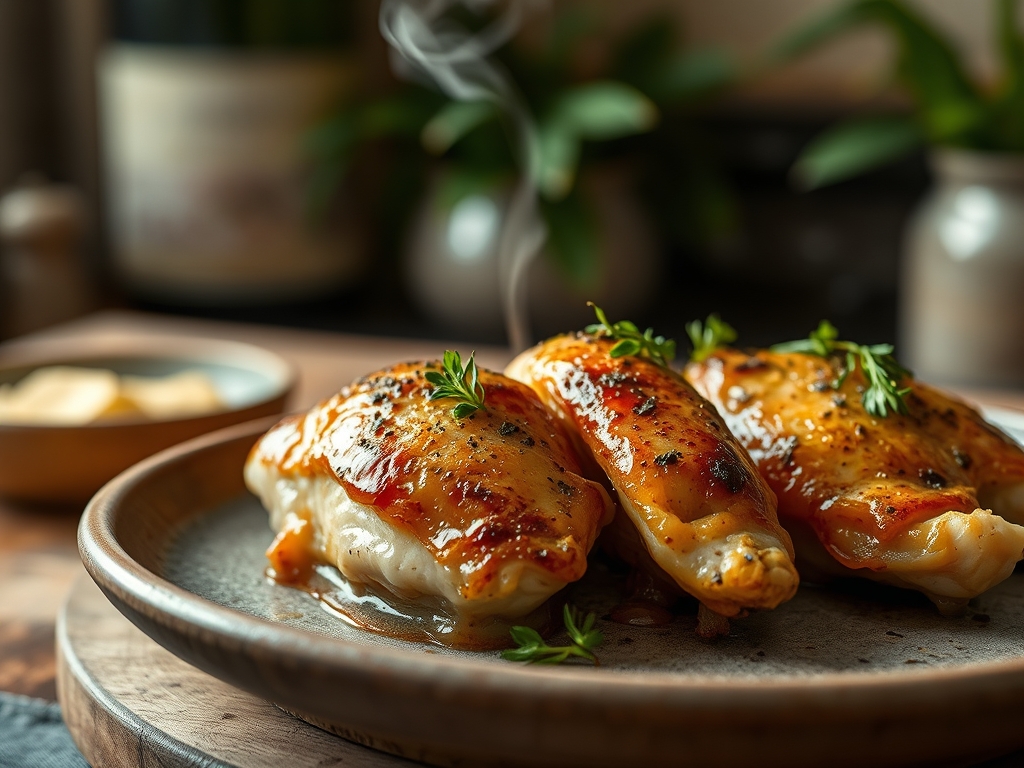
Picture this. The kitchen is humming with a low, rhythmic sizzle while the air carries the scent of toasted butter and sharp, effervescent grapes. You are standing there with a half-full flute in one hand and a heavy-bottomed skillet in the other. This is the art of champagne chicken recipes. It is not just about the luxury of the bottle; it is about how the residual sugars and bright acidity of the wine transform a simple protein into something transcendent. We are moving beyond the basic weeknight dinner into a realm where the sauce is velvety, the skin is shatteringly crisp, and the chemistry of the deglaze does all the heavy lifting for you.
To master champagne chicken recipes, you have to understand that champagne is more than a drink; it is a structural ingredient. The high acid content acts as a natural tenderizer for the muscle fibers, while the carbonation provides a brief, intense aeration during the initial pour. This process helps to lift the fond, those delicious caramelized bits stuck to the pan, and suspend them in a rich emulsion. Whether you are hosting a formal gala or just treating yourself to a Tuesday night glow-up, these nine variations will teach you how to manipulate heat and moisture to create a restaurant-grade glaze every single time. Grab your apron; we are about to turn your kitchen into a high-end bistro.
The Gathers:
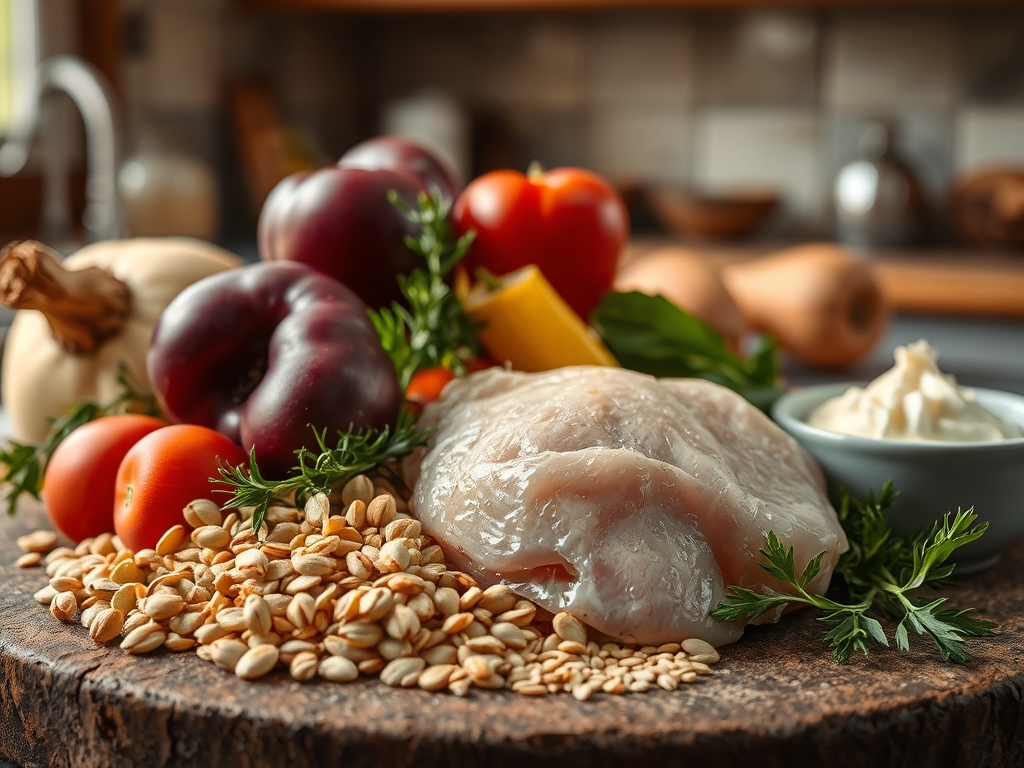
Before we ignite the burner, we must assemble our mise-en-place. For the ultimate champagne chicken recipes, you need high-quality organic poultry. Look for air-dried breasts or thighs; water-chilled chicken releases too much moisture, which prevents the Maillard reaction from occurring. You will also need your aromatics: shallots for a delicate piquancy, fresh thyme for earthy depth, and garlic that has been processed through a microplane to ensure it melts into the sauce without leaving bitter chunks.
The star of the show is, of course, the bubbly. You do not need a vintage bottle, but you must use a "Brut" or "Extra Brut." Sweeter varieties like Sec or Demi-Sec will result in a cloying sauce that lacks the necessary balance. For the fat, we use a combination of high-smoke point avocado oil for the initial sear and cold, unsalted European-style butter for the final emulsification. European butter has a higher fat-to-water ratio, which creates a more viscous and glossy finish.
Smart Substitutions:
If you find yourself without a bottle of champagne, a dry Prosecco or Cava works beautifully as they share similar acidic profiles. For a non-alcoholic version, use a high-quality white verjuice or a splash of white wine vinegar diluted with chicken bone broth. If you are dairy-free, replace the heavy cream with full-fat coconut milk or a cashew-based cream; just ensure you add a squeeze of lemon to mimic the lactic tang of traditional dairy.
The Clock
Efficiency in the kitchen is about the "Chef's Flow." You are looking at a total time of 45 minutes from start to finish. Prep takes 15 minutes, which includes dicing your shallots with a sharp chef's knife and patting the chicken bone-dry with paper towels. The cooking phase takes 30 minutes.
The flow is simple: sear, aromatics, deglaze, and reduce. While the chicken rests, the sauce undergoes a rapid reduction. This "resting period" is non-negotiable. It allows the internal juices to redistribute, ensuring that the meat remains succulent rather than dry. By the time your sauce has reached the perfect "nappe" consistency, meaning it coats the back of a spoon, your chicken is ready to be plated.
The Masterclass
1. The Critical Sear
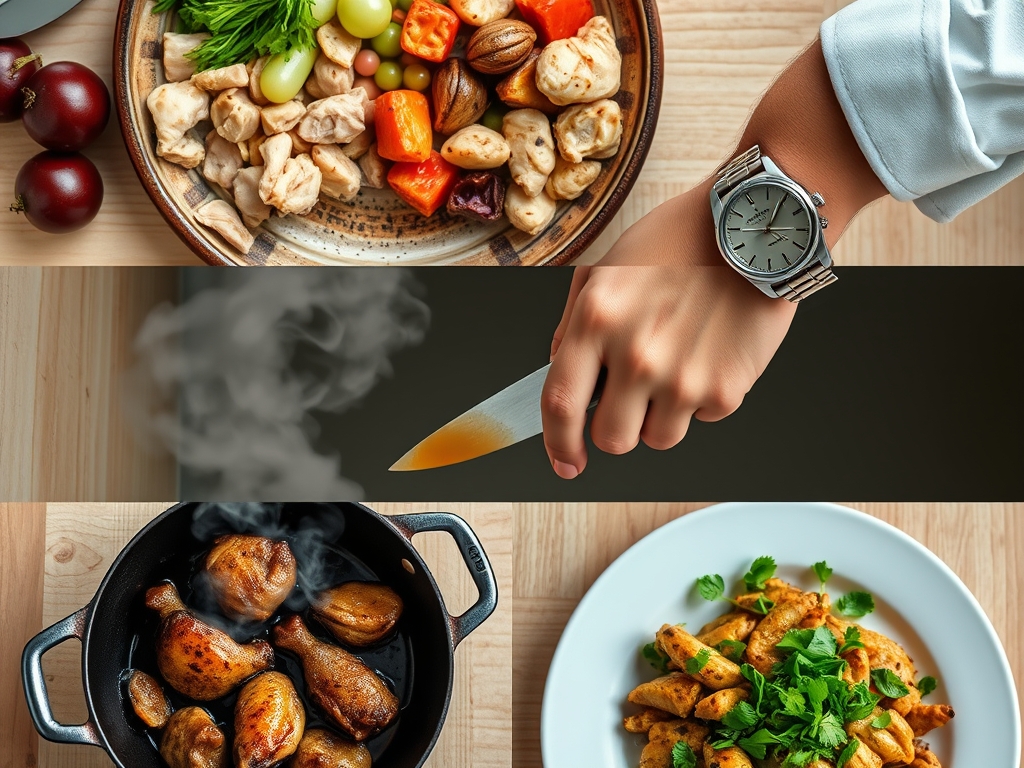
Start by heating your heavy-bottomed skillet over medium-high heat until the oil shimmers. Place the seasoned chicken skin-side down and do not move it. You are looking for enzymatic browning, also known as the Maillard reaction. This is where proteins and sugars react to create complex flavor compounds and that golden-brown crust.
Pro Tip: Use metal tongs to press down on the chicken for the first 30 seconds. This ensures maximum surface contact with the pan, leading to an even, professional-grade sear.
2. Sautéing the Aromatics
Once the chicken is removed, reduce the heat to medium. Add your shallots and garlic. You are not looking for color here; you want to sweat them until they are translucent and fragrant. This releases the essential oils without introducing the bitterness of charred garlic.
Pro Tip: Use a bench scraper to quickly move your chopped aromatics from the cutting board to the pan. This prevents the loss of precious juices and keeps your workspace clean.
3. The Deglaze and Scrape
Pour in your champagne. The liquid will bubble violently; this is the carbonation and heat working together to lift the fond from the bottom of the pan. Use a wooden spoon or a whisk to scrape up every brown bit. This is where the soul of your champagne chicken recipes lives.
Pro Tip: Thermal shock is your friend here. The cold liquid hitting the hot pan helps "blast" the caramelized proteins off the steel, integrating them into your sauce for a deeper flavor profile.
4. The Emulsion Phase
Whisk in your heavy cream and any additional herbs. Lower the heat to a simmer. You want the liquid to reduce by half. As the water evaporates, the fats and proteins concentrate, creating a luxurious, thick texture.
Pro Tip: To prevent the sauce from breaking, add a teaspoon of cold butter at the very end. This technique, called monter au beurre, adds a professional gloss and stabilizes the emulsion.
5. The Final Tempering
Return the chicken to the pan, but only for a minute. You want the bottom of the chicken to absorb the sauce while keeping the skin above the liquid line to maintain its crunch. Check the internal temperature with a digital scale or thermometer; you are aiming for 165 degrees Fahrenheit.
Pro Tip: Remember thermal carryover. The chicken will continue to rise about 5 degrees in temperature after you remove it from the heat, so pull it at 160 degrees for perfect juiciness.
The Deep Dive
When we look at the macro nutrition of champagne chicken recipes, we see a high-protein, moderate-fat profile that is surprisingly satiating. A standard serving contains roughly 35g of protein and 12g of fat. To keep it keto-friendly, simply omit any flour dusting on the chicken. For a vegan version, use oyster mushrooms or thick-cut cauliflower steaks in place of the poultry; the champagne sauce works wonders on vegetables too.
The Fix-It:
- The Sauce is Too Thin: If your sauce looks like soup, continue to simmer it uncovered. If you are in a rush, whisk in a small "slurry" of cornstarch and cold water.
- The Sauce Broke: If the oil is separating from the cream, the heat was too high. Whisk in a tablespoon of very cold heavy cream or a splash of water to bring the emulsion back together.
- The Chicken is Tough: This usually means it was overcooked. Next time, use a digital thermometer to ensure you hit that 160-degree sweet spot before resting.
Meal Prep:
To reheat champagne chicken recipes without losing quality, avoid the microwave. Instead, place the chicken and sauce in a small oven-safe dish, cover with foil, and warm at 300 degrees Fahrenheit. This gentle "re-thermalization" prevents the fats in the sauce from separating and keeps the chicken tender.
The Wrap-Up
Mastering champagne chicken recipes is a rite of passage for any home cook looking to elevate their game. It is a lesson in patience, temperature control, and the magic of high-quality ingredients. When you pull that pan off the stove and see the glossy, golden sauce clinging to the perfectly seared meat, you will realize that gourmet cooking is just science with a better wardrobe. Now, pour yourself another glass of bubbly, plate your masterpiece, and enjoy the fruits of your labor. You have earned it.
The Kitchen Table
Can I use sparkling cider instead of champagne?
Yes, but ensure it is a dry, non-sweetened version. Sparkling cider adds a distinct apple note that pairs beautifully with thyme and chicken, though it will be slightly less acidic than a traditional champagne sauce.
Why did my cream sauce curdle?
Sauces usually curdle due to high heat or high acidity. To prevent this, reduce your champagne first, then lower the heat before whisking in the cream. Using full-fat heavy cream also provides more stability than low-fat milk.
Is it necessary to use a heavy-bottomed skillet?
Absolutely. Heavy pans, like cast iron or tri-ply stainless steel, distribute heat evenly. This prevents "hot spots" that can burn your garlic or cause the chicken to cook unevenly, ensuring a perfect sear every time.
How long does leftover champagne chicken last?
Stored in an airtight container, it stays fresh for up to three days. The flavors often deepen overnight, making the leftovers just as delicious as the initial meal, provided you reheat them gently to preserve the sauce.