
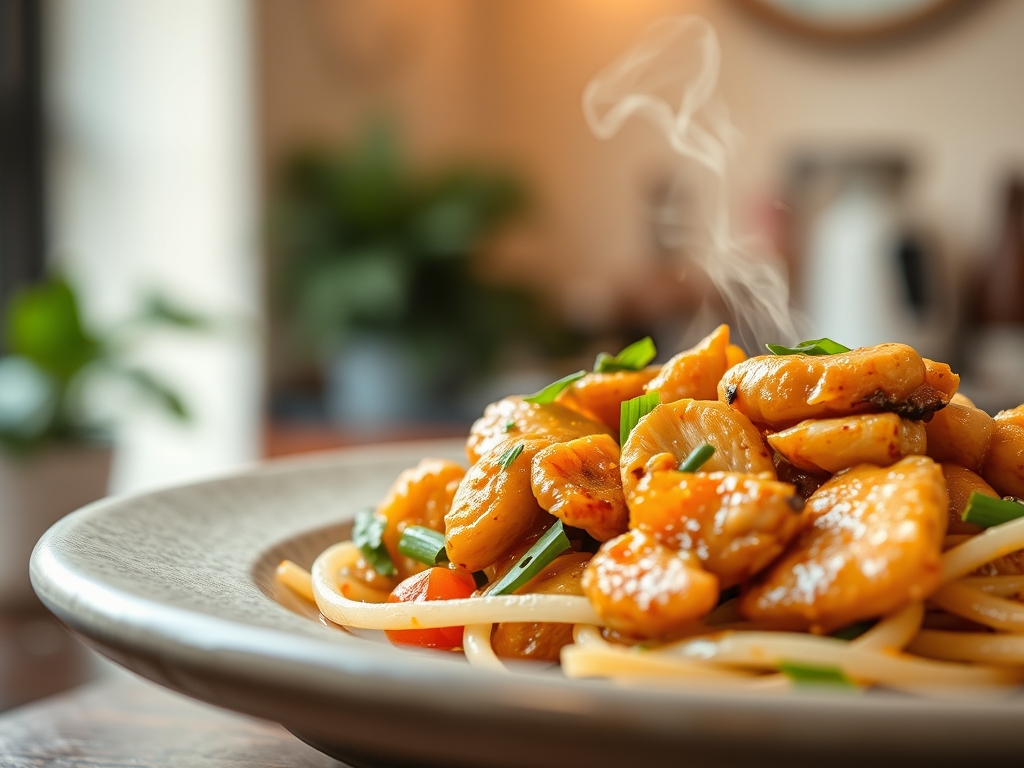
The scent of toasted sesame and seared ginger is currently swirling through my kitchen; it is the olfactory equivalent of a warm hug. If you have been hunting for the ultimate chinese stir fry chicken recipes, you have likely realized that the difference between a soggy takeout disappointment and a restaurant-quality masterpiece lies in the physics of the pan. We are not just tossing ingredients around. We are managing moisture, heat, and the glorious chemistry of the Maillard reaction.
Most home cooks treat a stir fry like a slow-simmered stew, which is the first mistake. A true stir fry is a high-speed chase. It requires a specific cadence and a deep understanding of how proteins interact with intense thermal energy. Today, I am pulling back the curtain on the professional techniques that make these dishes sing. We are going to talk about velveted meats, the aerodynamics of a wok, and the precise moment to introduce your aromatics to ensure they infuse the oil without scorching into bitterness. Grab your favorite heavy-bottomed skillet or carbon steel wok; we are about to transform your weeknight dinner into a technical triumph.
The Gathers:
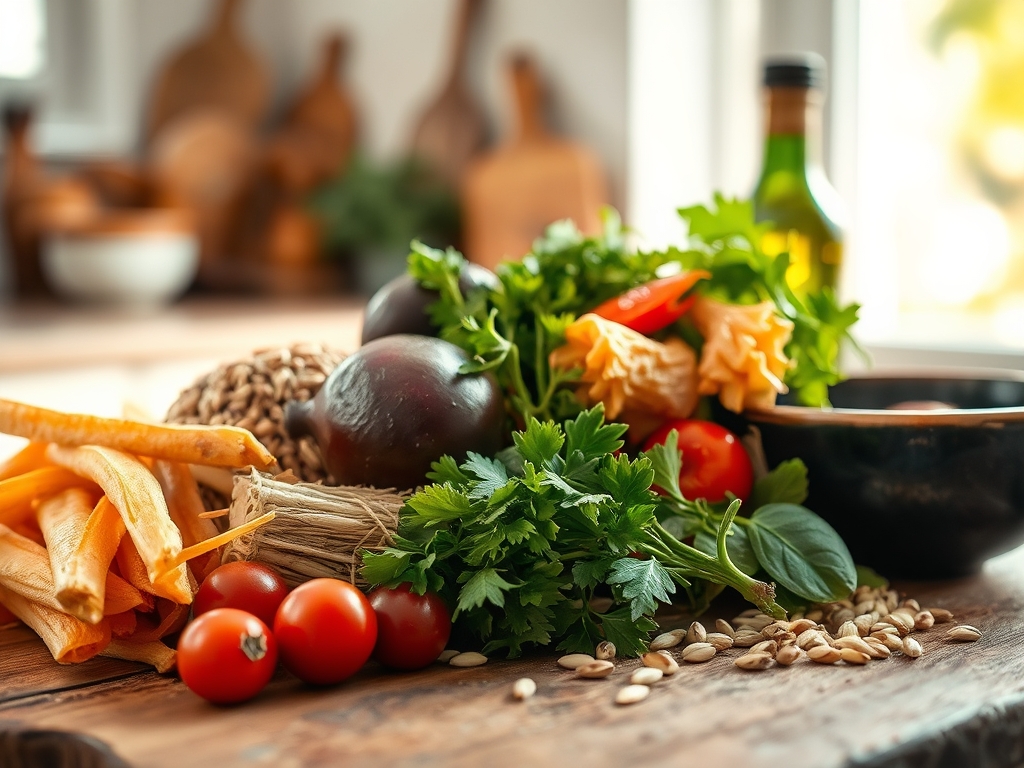
Mise-en-place is not just a fancy French term; it is a survival strategy in Chinese cooking. Because the actual cooking process for most chinese stir fry chicken recipes takes less than eight minutes, you cannot afford to be chopping garlic while your chicken is overcooking. Your workstation should be organized by "entry time" into the pan.
First, the protein. You want 1.5 pounds of boneless, skinless chicken thighs or breasts. Use a digital scale to ensure consistency. Thighs are more forgiving due to their higher fat content, which provides a more viscous mouthfeel. Next, the aromatics: fresh ginger, garlic, and scallions. Use a microplane for the ginger to create a fine paste that integrates seamlessly into the sauce. For the vegetables, aim for a contrast in textures; think snappy snap peas, julienned carrots, and water chestnuts.
Smart Substitutions:
If you are out of Shaoxing wine, a dry sherry is your best friend. It has the same fermented complexity and acidic backbone. No cornstarch? Arrowroot powder provides an even glossier finish and is excellent for those avoiding grain-based thickeners. If you want to increase the piquant profile without raw heat, swap standard dried chilies for a dollop of fermented chili bean paste (Doubanjiang).
The Clock
Efficiency in the kitchen is about "Chef's Flow." This is the psychological state where your movements are economical and your timing is precise. For a standard stir fry, your prep time will be approximately 20 minutes, while your cook time is a mere 6 to 8 minutes.
The flow works like this: Marinate first (15 minutes), chop second, and whisk your sauce third. The marinade needs that time to penetrate the muscle fibers and initiate the denaturation process. Once the heat is on, the "Clock" moves into the active phase. You spend 3 minutes on the protein, 2 minutes on the hard vegetables, and 60 seconds on the aromatics and sauce. If you deviate from this sequence, you risk "steaming" your food rather than searing it.
The Masterclass
1. The Velveting Secret
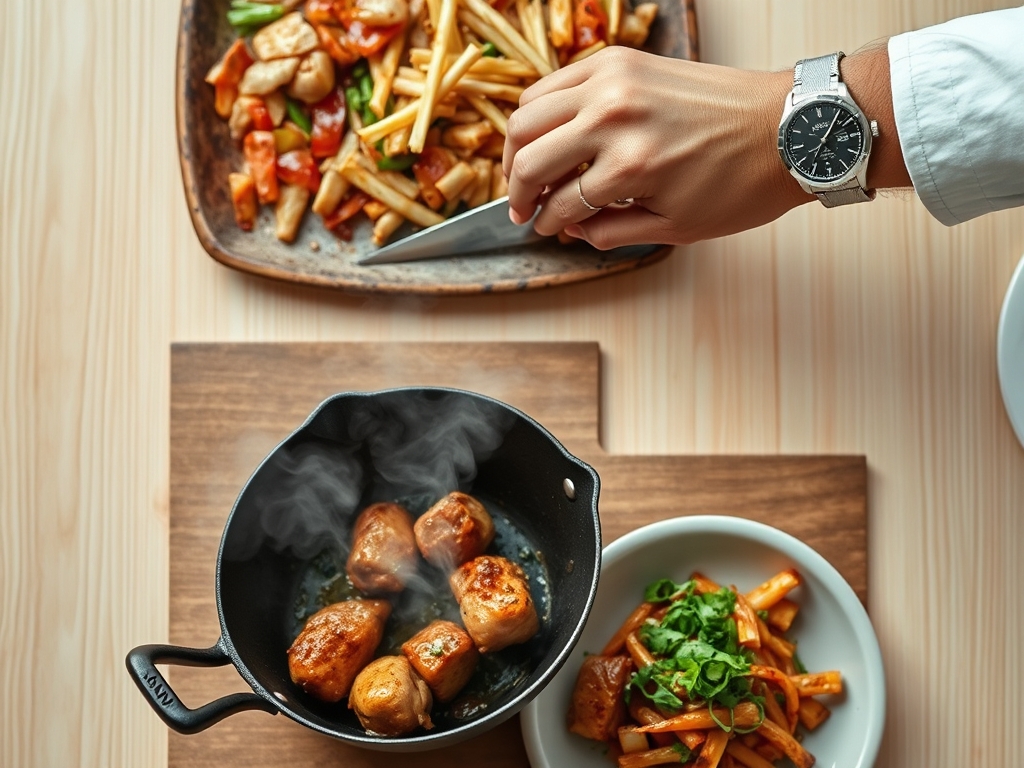
To achieve that silky, tender texture found in professional chinese stir fry chicken recipes, you must velvet the meat. Coat your sliced chicken in a mixture of cornstarch, egg white, and a splash of rice wine. Let it sit for 15 minutes before it ever touches the pan.
Pro Tip: This creates a physical barrier that protects the protein from the aggressive heat of the wok. The starch gelatinizes instantly, locking in moisture and preventing the chicken from becoming "stringy" through thermal carryover.
2. Seasoning the Steel
Heat your wok or heavy-bottomed skillet until a drop of water flicked onto the surface dances and evaporates instantly. This is the Leidenfrost effect. Add a high-smoke-point oil (like peanut or grapeseed) and swirl it to coat the sides.
Pro Tip: A properly seasoned pan creates a natural non-stick surface. If you add oil to a cold pan, the protein will bond to the metal at a molecular level, leading to tearing and a loss of the flavorful crust.
3. The Sear and Release
Add your chicken in a single layer. Do not crowd the pan; if the temperature drops too low, the meat will release its juices and begin to boil. Let it sit undisturbed for 60 seconds to develop a deep golden crust.
Pro Tip: This is the Maillard reaction in action. By allowing the amino acids and sugars to react under high heat, you create hundreds of different flavor compounds that provide that "savory" depth.
4. Aerating the Aromatics
Push the chicken to the sides of the wok and add your ginger and garlic to the center. Stir them rapidly for only 15 to 30 seconds until they become fragrant but not brown.
Pro Tip: Aromatics contain volatile oils that are easily destroyed by prolonged heat. By adding them mid-way, you infuse the cooking fat without burning the delicate solids, ensuring a bright, clean flavor profile.
5. The Emulsified Finish
Pour your pre-mixed sauce (soy sauce, oyster sauce, sugar, and a touch of starch) around the edges of the wok, not directly onto the food. This allows the sauce to heat up as it slides down to the center.
Pro Tip: As the liquid hits the hot surface, the starch granules swell and trap the fats and liquids into a stable emulsion. This results in a glossy, clingy sauce rather than a watery puddle at the bottom of the bowl.
The Deep Dive
Macro Nutrition:
A typical serving of this stir fry provides approximately 35g of protein, 12g of healthy fats, and 15g of carbohydrates. It is a high-density, nutrient-rich meal that balances lean protein with fiber-heavy vegetables.
Dietary Swaps:
- Vegan: Substitute the chicken with extra-firm tofu that has been pressed and seared. Use a mushroom-based "vegetarian stir fry sauce" instead of oyster sauce.
- Keto: Omit the sugar and cornstarch. Use xanthan gum (just a pinch!) to thicken the sauce and liquid aminos instead of soy sauce.
- GF: Ensure your soy sauce is replaced with Tamari or coconut aminos.
The Fix-It:
- Soggy Vegetables: You likely overcrowded the pan or added them too early. Fix: Remove the food, wipe the pan, and "flash sear" the next batch in smaller portions.
- Too Salty: Do not add more water, which ruins the texture. Fix: Add a splash of rice vinegar or a squeeze of lime. The acid balances the sodium.
- Thin Sauce: The starch did not reach its "activation temperature." Fix: Simmer for 30 more seconds or add a small "slurry" of cornstarch and cold water.
Meal Prep Science:
When reheating, avoid the microwave if possible. The microwave excites water molecules, which can turn your crisp vegetables into mush. Instead, use a saucier or small skillet over medium heat with a teaspoon of water to "re-steam" the dish gently, preserving the structural integrity of the chicken.
The Wrap-Up
Mastering chinese stir fry chicken recipes is less about following a rigid script and more about understanding the dance of heat and timing. Once you respect the power of a hot pan and the necessity of the velveted sear, your home cooking will undergo a radical evolution. Remember: keep your tools close, your ingredients prepped, and your heat high. You have the technical foundation; now go make some kitchen magic!
The Kitchen Table
Why is my stir fry chicken always dry?
You are likely skipping the "velveting" step. Coating the chicken in a cornstarch slurry creates a protective shield that prevents the fibers from tightening too quickly, effectively locking in the natural juices during the high-heat searing process.
Can I use a regular frying pan?
Yes, but use a heavy-bottomed skillet (like cast iron or stainless steel). These materials retain heat better than thin aluminum. Avoid non-stick pans at very high temperatures, as the coating can degrade and release harmful fumes.
What is the best oil for stir frying?
Choose oils with a high smoke point, such as peanut, canola, or grapeseed oil. Avoid extra virgin olive oil or butter, as they will smoke and turn bitter long before the pan reaches the necessary stir-fry temperature.
How do I get that "restaurant shine" on the sauce?
The "gloss" comes from a perfectly timed starch slurry. Ensure your sauce contains cornstarch and is brought to a brief boil in the pan. This activates the starches, creating a translucent, viscous coating that clings to every ingredient.