
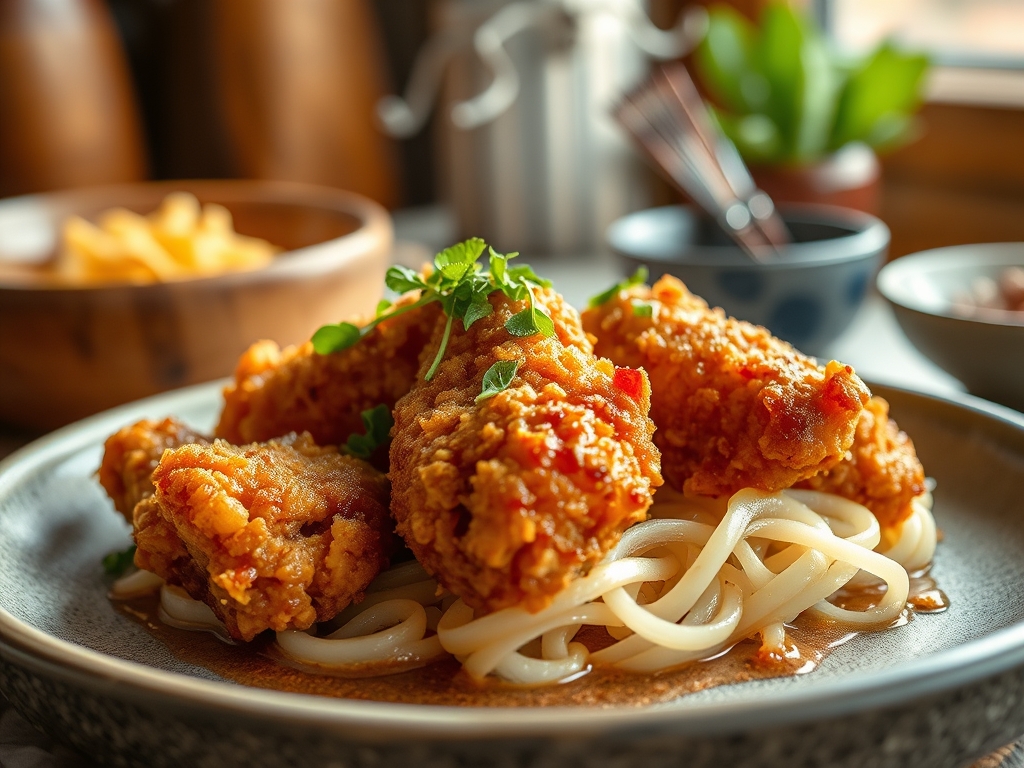
Close your eyes and listen for that distinct, glass-shattering crunch. It is the sound of a perfect golden crust yielding to an explosion of ginger-scented steam and savory juice. When you dive into the world of japanese fried chicken recipes, you are not just making a snack; you are mastering a delicate balance of amino acids and thermal physics. Karaage is the sophisticated, older sister of standard fried chicken. She is lighter, crisper, and carries a piquant punch that lingers on the palate long after the last bite. Unlike its heavy, batter-drenched Western cousins, authentic Karaage relies on a thin, starch-based veil that shatters upon impact. We are looking for that specific umami profile that only comes from a curated marinade and a double-fry technique. Whether you are prepping for a high-energy dinner party or a cozy solo night, these secrets will transform your kitchen into a Tokyo izakaya. Grab your apron and your favorite heavy-bottomed skillet; we are about to turn simple poultry into a culinary masterpiece that defies the laws of soggy leftovers.
The Gathers:
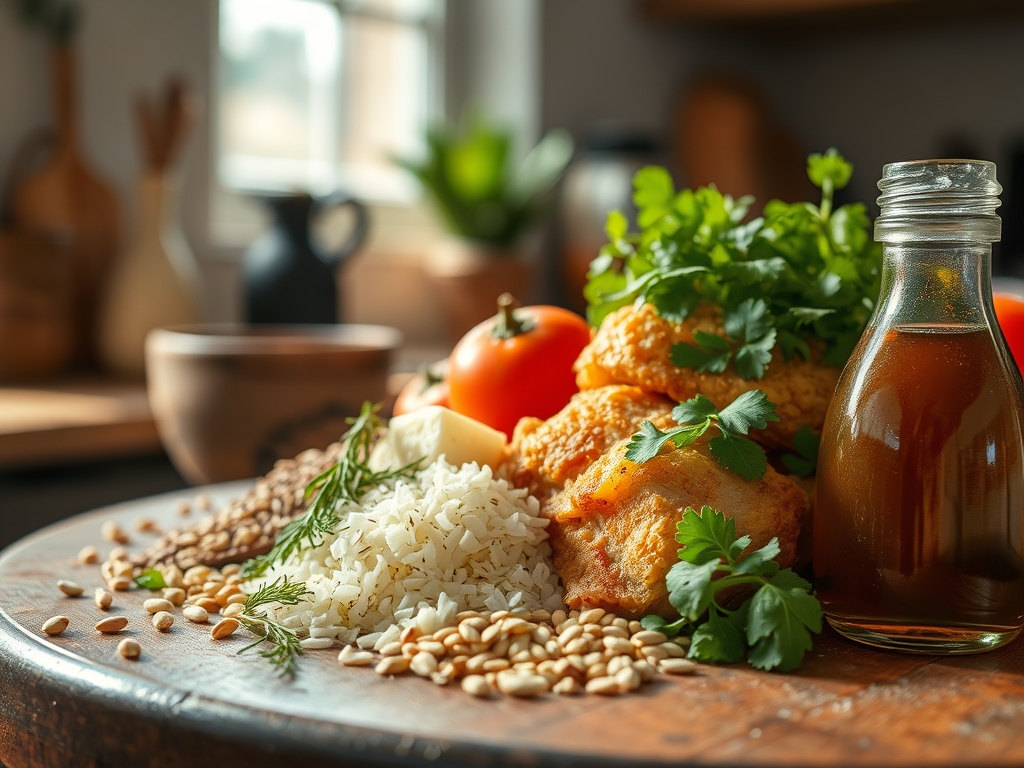
To achieve the legendary texture of authentic japanese fried chicken recipes, your mise-en-place must be precise. Start with skin-on chicken thighs. The skin is essential because it contains the subcutaneous fat needed to render during the frying process, creating a self-basting environment for the meat. You will need high-quality soy sauce for depth, mirin for a touch of fermented sweetness, and toasted sesame oil to add a viscous, aromatic base. Freshness is non-negotiable here. Use a microplane to grate fresh ginger and garlic into a fine paste; this ensures the aromatics infuse every fiber of the protein without leaving woody chunks behind.
For the coating, we use potato starch (katakuriko). This is a "Smart Substitution" if you are used to flour. Potato starch has larger granules that create a more rugged, craggy surface area, which translates to more crunch. If you cannot find it, cornstarch is a viable alternative, though it lacks the same earthy finish. For a "Smart Substitution" on the acid profile, use rice vinegar or a squeeze of fresh sudachi to cut through the richness of the oil. Always measure your liquids with a digital scale for consistency; baking is not the only place where ratios matter.
The Clock
Efficiency in the kitchen is all about "Chef's Flow." Total active prep time is approximately 20 minutes, but the secret lies in the passive "marination window." You should allow the chicken to sit for at least 30 minutes, though 2 hours is the sweet spot for maximum enzymatic tenderization. The cooking process itself is a rapid-fire 10 minutes of frying.
The flow works like this: Prep the aromatics while the chicken is still slightly chilled (it is easier to slice). While the chicken marinates, set up your dredging station and heat your oil. By the time the oil reaches 320 degrees Fahrenheit, your chicken has reached the perfect temperature to prevent a massive thermal drop in the pot. This synchronized timing ensures the meat never spends too long in the oil, preventing it from becoming a grease sponge.
The Masterclass
1. The Precision Cut
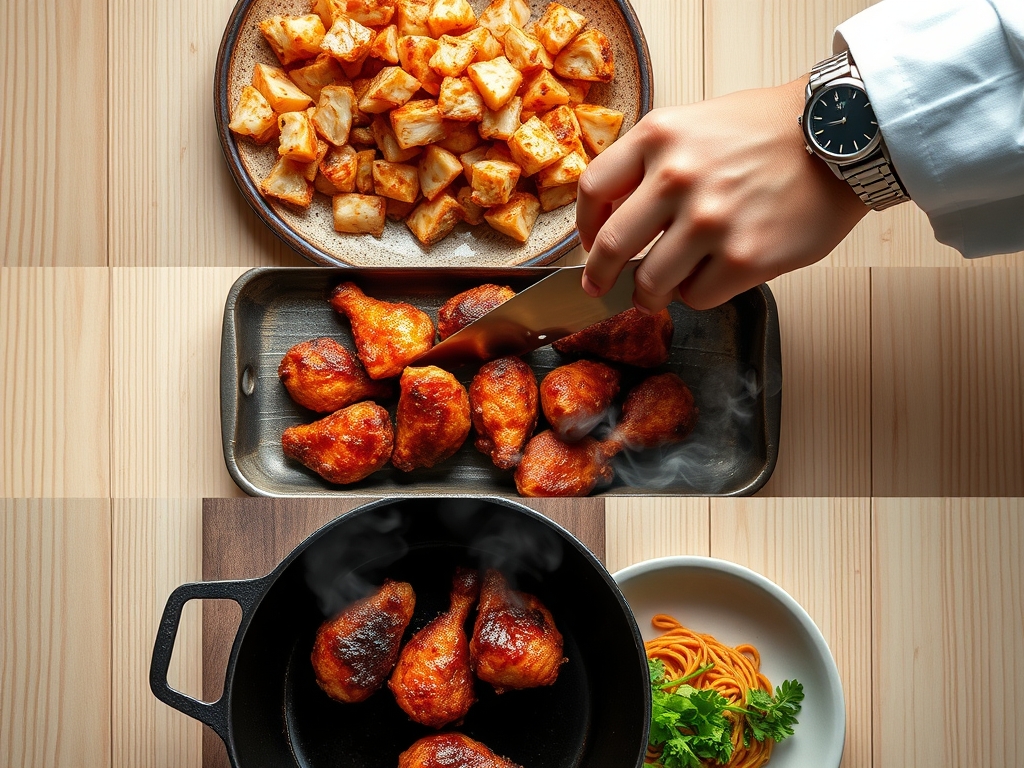
Using a sharp chef knife or kitchen shears, cut the chicken into uniform 1.5-inch cubes. Ensure each piece has a bit of skin attached.
Pro Tip: Uniformity is not just for aesthetics; it ensures even thermal carryover. If pieces vary in size, the small ones will dry out before the large ones reach the safe internal temperature of 165 degrees Fahrenheit.
2. The Umami Bath
Combine the soy sauce, mirin, sake, ginger, and garlic in a bowl. Massage the liquid into the meat.
Pro Tip: The alcohol in the sake acts as a solvent, helping the fat-soluble flavor compounds in the garlic and ginger penetrate the cell walls of the meat through osmotic pressure.
3. The Starch Veil
Dredge each piece of chicken in potato starch until fully coated, then shake off the excess.
Pro Tip: Let the coated chicken sit for two minutes before frying. This allows the starch to hydrate slightly, preventing it from flying off the chicken the moment it hits the hot oil.
4. The First Fry: The Blanch
Heat oil to 320 degrees Fahrenheit and fry the chicken for about 3 minutes. The chicken should be pale and just cooked through.
Pro Tip: This stage is about setting the protein structure. We are not looking for color yet; we are simply ensuring the interior is no longer raw.
5. The Rest and Aerate
Remove the chicken with tongs and let it rest on a wire rack for 3 minutes.
Pro Tip: Resting allows the internal moisture to redistribute. Using a wire rack instead of paper towels allows air to circulate, preventing steam from softening the crust.
6. The Second Fry: The Crisp
Increase the oil heat to 375 degrees Fahrenheit. Flash-fry the chicken for 45 to 60 seconds until deep golden brown.
Pro Tip: This high-heat blast triggers the Maillard reaction, creating hundreds of new flavor compounds and evaporating any remaining surface moisture for a glass-like crunch.
The Deep Dive
When we look at the macro nutrition of japanese fried chicken recipes, we see a profile dominated by high-quality protein and healthy fats, especially if using rice bran oil for frying. To make this Keto-friendly, swap the potato starch for almond flour mixed with unflavored whey protein isolate. For a Vegan version, firm tofu or oyster mushrooms work beautifully; just ensure you press the tofu thoroughly to remove moisture. If you need a Gluten-Free option, simply use Tamari instead of traditional soy sauce.
The Fix-It: Common Pitfalls
- The Soggy Crust: This happens if the oil temperature drops too low. Use a digital thermometer to monitor the heat constantly. If it drops, stop adding chicken.
- Burned Aromatics: If your ginger is burning, it means it was not grated finely enough. Use a sifter to ensure only the juice and fine pulp enter the marinade.
- Dry Meat: This is usually a result of using chicken breast. Stick to thighs for their higher fat content and resilience to high heat.
Meal Prep Science:
To reheat Karaage while maintaining "day-one" quality, avoid the microwave at all costs. The microwave vibrates water molecules, which turns your crust into a damp sponge. Instead, use an air fryer or toaster oven at 400 degrees Fahrenheit for 4 minutes. This re-activates the fats in the skin to re-crisp the exterior.
The Wrap-Up
Mastering the art of Karaage is a rite of passage for any home cook exploring the depth of Japanese cuisine. By focusing on the science of the double-fry and the precision of your aromatics, you elevate a humble ingredient into something truly extraordinary. Remember, the best cooking is a blend of technical discipline and sensory intuition. Now, grab your bench scraper to tidy up your station, serve your chicken with a wedge of lemon and a dollop of Kewpie mayo, and enjoy the fruits of your labor. You have officially cracked the code to the ultimate crunch.
The Kitchen Table
Why is my Karaage not crunchy?
The most common culprit is a low oil temperature or overcrowding the pan. When too many pieces are added at once, the oil temperature plummets. This causes the starch to absorb oil rather than crisping up through rapid moisture evaporation.
Can I use chicken breast instead of thighs?
You can, but the results will be significantly drier. Chicken thighs contain more connective tissue and fat, which render during the frying process. This keeps the meat succulent even at the high temperatures required for a second fry.
What is the best oil for frying?
Choose an oil with a high smoke point and neutral flavor, such as rice bran oil, canola, or grapeseed oil. Avoid extra virgin olive oil, as it will break down and impart a bitter flavor at frying temperatures.
How long can I marinate the chicken?
While 30 minutes is the minimum, you can go up to 6 hours. Avoid marinating overnight, as the salt in the soy sauce can begin to cure the meat, giving it a ham-like, rubbery texture instead of a tender bite.
Why do I need to double-fry?
The first fry cooks the interior and sets the starch. The second fry, done at a higher temperature, flash-evaporates surface moisture and triggers the Maillard reaction. This creates the signature golden color and the shatteringly crisp texture.