
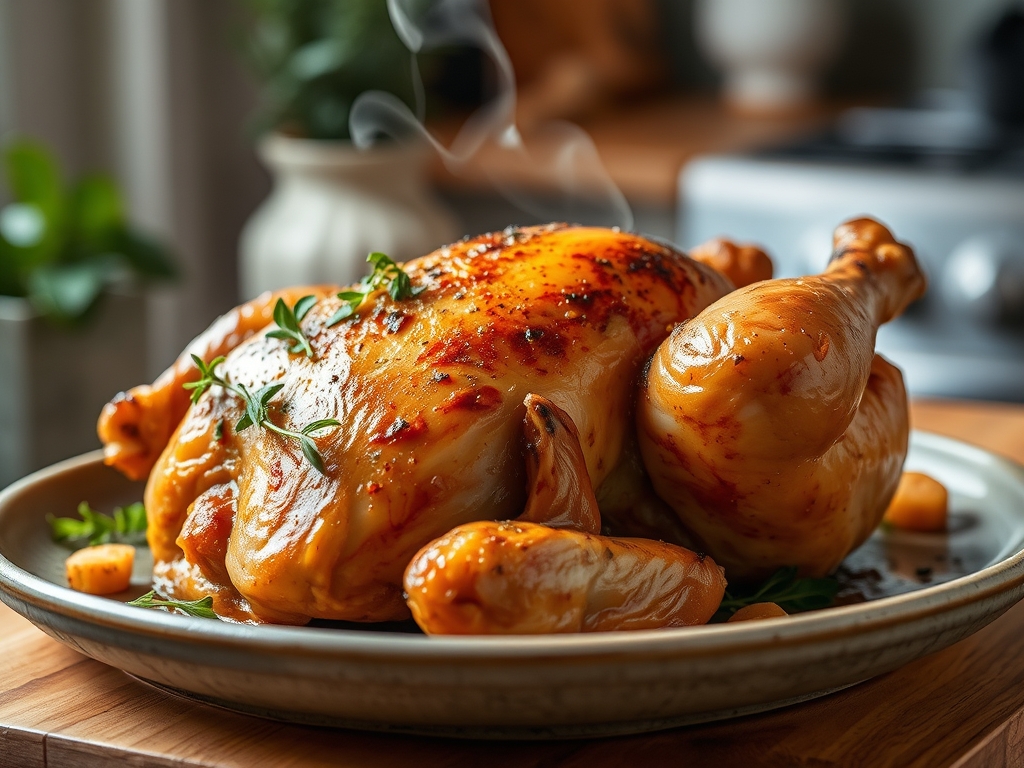
Imagine the sound of cold salt hitting damp skin and the rhythmic thud of a heavy chef knife on a wooden board. There is something primal and deeply satisfying about mastering whole chicken recipes. It is the ultimate kitchen flex; a single bird transformed into a golden, crackling centerpiece that smells of rosemary and rendered fat.
Whether you are aiming for a shatteringly crisp skin or a succulent, slow-braised finish, the bird is your canvas. We are moving past basic roasting into a world of thermal dynamics and enzymatic magic. If you have ever struggled with dry breast meat or rubbery skin, consider this your official invitation to the inner circle of poultry perfection. We are going to treat this protein with the scientific respect it deserves while keeping the vibes high and the flavors even higher.
The Gathers:
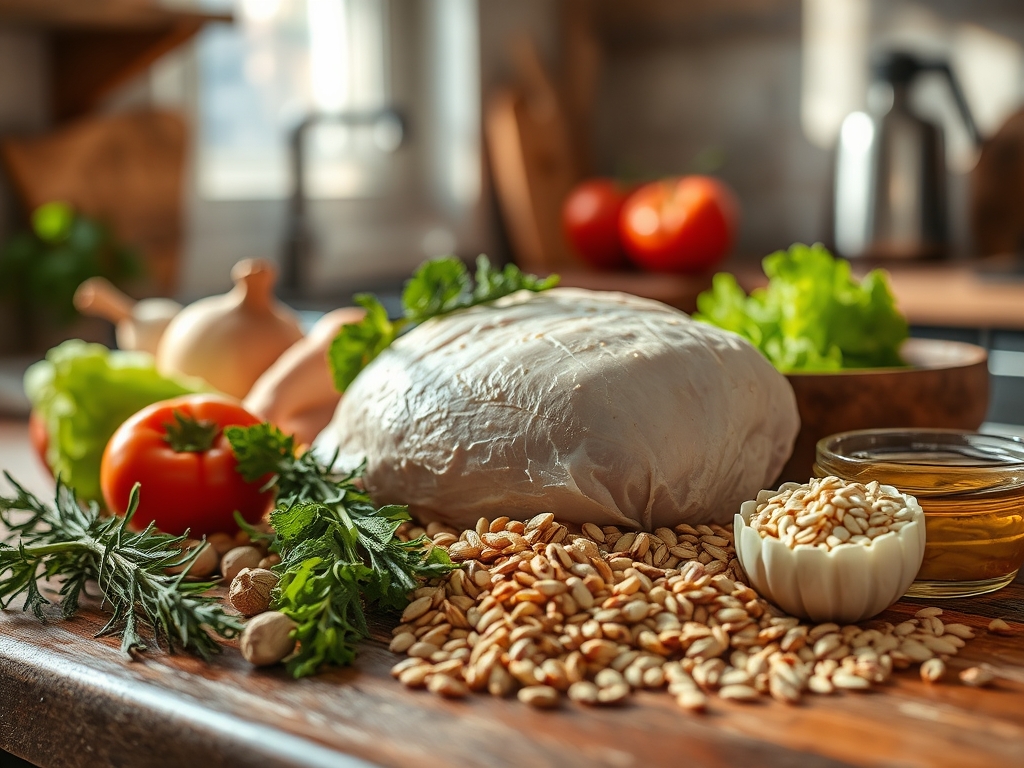
Before we touch the heat, we must respect the mise-en-place. Your primary subject should be a four to five pound bird, ideally air-dried. Air-drying allows the skin to lose excess moisture, which is the enemy of the Maillard reaction. You will need high-quality fats; think unsalted European butter for its lower water content or avocado oil for its high smoke point.
Your aromatics are the soul of the dish. Gather fresh thyme, rosemary, and a whole head of garlic. Use a microplane to zest a lemon, releasing the volatile oils trapped in the flavedo. For the seasoning, use Diamond Crystal kosher salt. Its hollow flake structure allows for even distribution without over-salting.
Smart Substitutions:
If you lack fresh herbs, a high-quality dried herbes de Provence works, but hydrate it in oil first to prevent burning. No butter? Use ghee; it provides that nutty, toasted milk solid flavor without the risk of scorching at high temperatures. If you are avoiding citrus, a splash of verjus or a dry white wine in the pan provides the necessary acidity to cut through the viscous rendered fat.
The Clock:
The "Chef's Flow" is about managing momentum. Total active prep time is roughly 20 minutes, but the passive time is where the magic happens. A dry brine should ideally last 12 to 24 hours. This allows the salt to penetrate the muscle fibers through osmosis, eventually restructuring the proteins so they retain more moisture during the cook.
Cooking times vary by method. A high-heat roast takes about 60 minutes, while a low-and-slow braise might require three hours. Always factor in a 20-minute rest period. This is non-negotiable. Resting allows the internal temperature to stabilize and the juices to redistribute from the center back to the periphery of the meat.
The Masterclass:
1. The Spatchcock Technique
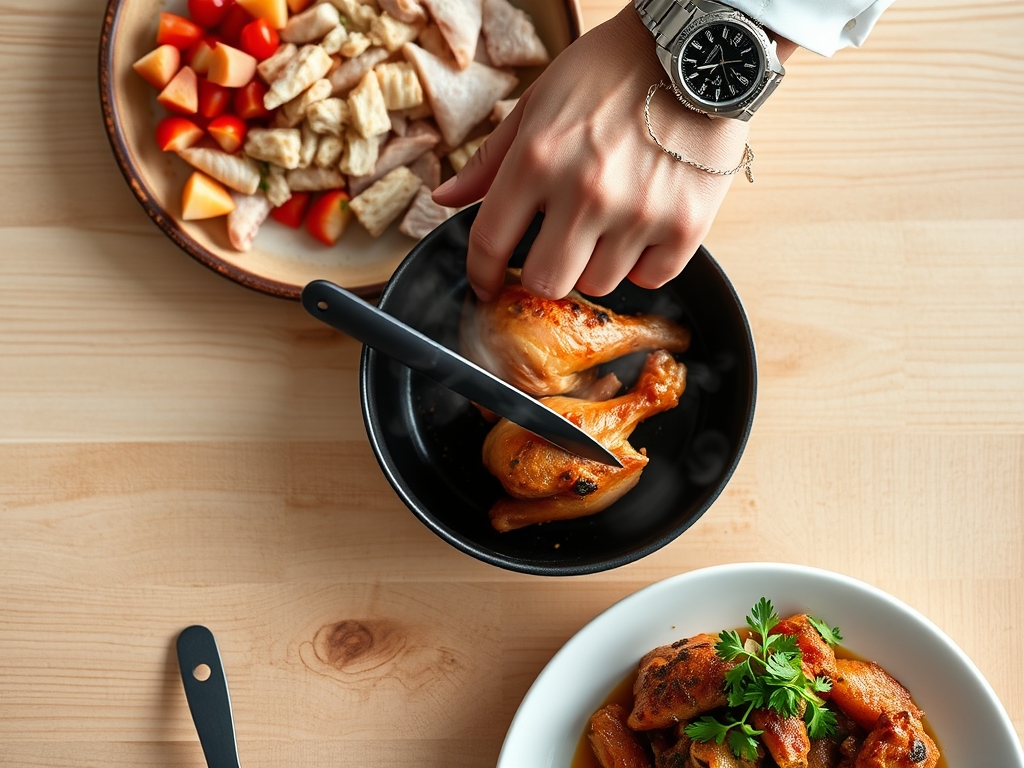
Use heavy-duty kitchen shears to remove the backbone. Flip the bird and press down firmly on the breastbone until it cracks. This flattens the chicken, ensuring the legs and breasts cook at the same rate.
Pro Tip: This method increases the surface area exposed to direct heat, accelerating the evaporative cooling process and resulting in a faster, more even cook.
2. The Classic High-Heat Roast
Place the chicken in a heavy-bottomed skillet or a roasting pan. Blast it at 425 degrees Fahrenheit. The goal is rapid fat rendering.
Pro Tip: High heat triggers the Maillard reaction, a chemical reaction between amino acids and reducing sugars that creates that distinct savory "browned" flavor profile.
3. The Salt-Crust Method
Encasing the bird in a thick layer of kosher salt and egg whites creates a natural oven. The salt insulates the meat, steaming it in its own juices.
Pro Tip: This creates a pressurized environment that prevents moisture loss, utilizing thermal insulation to keep the meat incredibly tender.
4. The Pot-Roast Braise
Brown the chicken in a saucier or Dutch oven, then add an inch of liquid (stock or wine) and aromatics. Cover and simmer.
Pro Tip: This method uses hydrolytic breakdown to convert tough collagen into silky gelatin, which provides a rich, lip-smacking mouthfeel.
5. The Beer-Can Method
Prop the chicken upright over a half-full can of liquid. This cooks the bird from the inside out using steam while the outside roasts.
Pro Tip: The vertical orientation allows for 360-degree convection heating, ensuring no part of the skin remains soggy from sitting in pan drippings.
6. The Slow-Cooker Confit
Submerge the chicken pieces (or a small whole bird) in olive oil or duck fat and cook at a very low temperature for several hours.
Pro Tip: Fat is a poor conductor of heat compared to water, allowing for a gentle poaching effect that prevents the protein fibers from tightening and squeezing out moisture.
The Deep Dive:
From a macro perspective, a whole chicken is a nutritional powerhouse. It provides high-density lean protein, essential B vitamins, and selenium. To keep it Keto, focus on the skin and use butter-based basting. For a Vegan alternative, you would look toward a large head of cauliflower or a seitan-based "roast," though the structural chemistry differs significantly.
The Fix-It:
- Soggy Skin: Your oven temperature was too low or you didn't pat the bird dry. Fix: Crank the heat for the last 10 minutes or use a kitchen torch to finish.
- Dry Breast: You overcooked it. Fix: Slice the meat and toss it in a warm deglaze made from pan drippings and stock to rehydrate the fibers.
- Bloody Joints: This happens when the meat near the bone hasn't reached 165 degrees. Fix: Flash the individual pieces in a hot pan for two minutes.
Meal Prep Science:
To maintain "day-one" quality, reheat your chicken in a 300-degree oven with a splash of water covered in foil. This creates a small steam chamber, preventing the oxidative rancidity (that "leftover" taste) from becoming too prominent.
The Wrap-Up:
Mastering whole chicken recipes is about more than just dinner; it is about understanding the physics of the kitchen. When you can control the render, the sear, and the rest, you are no longer just following a recipe; you are conducting a culinary orchestra. Now, grab your tongs, check your digital scale, and go turn that humble bird into a masterpiece. You have the tools, the science, and the flair to make it happen.
The Kitchen Table:
How do I know when the chicken is truly done?
Use a digital thermometer to check the thickest part of the thigh. It should read 165 degrees Fahrenheit. Ensure the probe does not touch the bone, as bone conducts heat differently and will give a false reading.
Why is my roasted chicken skin always rubbery?
Moisture is the culprit. You must pat the skin extremely dry with paper towels. For the best results, salt the bird and leave it uncovered in the refrigerator overnight to allow the skin to dehydrate and tighten.
Can I cook a whole chicken from frozen?
It is possible but not recommended for quality. The exterior will overcook and become stringy before the interior reaches a safe temperature. Always thaw your chicken completely in the refrigerator to ensure even heat penetration and texture.
What is the best way to use the leftover carcass?
Never throw it away. Place the bones in a pot with vegetable scraps and cover with water. Simmer for hours to extract collagen and minerals, creating a rich, homemade bone broth that far surpasses any store-bought version.