
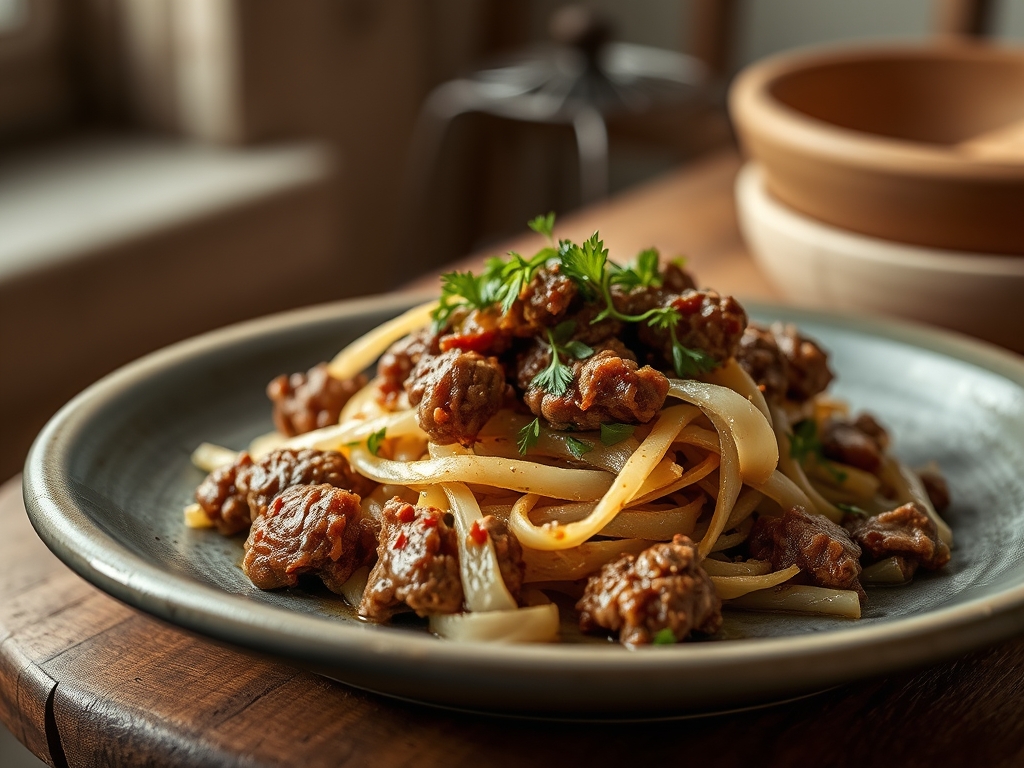
Picture the scent of rendered fat hitting a hot pan; it is the olfactory equivalent of a warm hug. When you are craving comfort but your brain is fried from a long day, simple cabbage and ground beef recipes are the ultimate culinary cheat code. These dishes are the backbone of efficient, high-flavor home cooking because they rely on the fundamental chemistry of savory fats and cruciferous sweetness.
There is a specific magic that happens when the sulfurous compounds in cabbage meet the Maillard reaction of searing beef. It is not just dinner; it is a masterclass in texture and budget-friendly nutrition. We are talking about heavy-bottomed skillets, the hiss of steam, and that perfect, glossy finish that makes you feel like a professional chef in your own pajamas. Whether you want a spicy stir-fry or a deconstructed cabbage roll, these eight variations provide a sturdy framework for any weeknight. We are going to dive deep into the mechanics of why this pairing works, ensuring every bite is balanced, piquant, and deeply satisfying. Grab your favorite apron; it is time to turn these humble staples into something spectacular.
The Gathers:
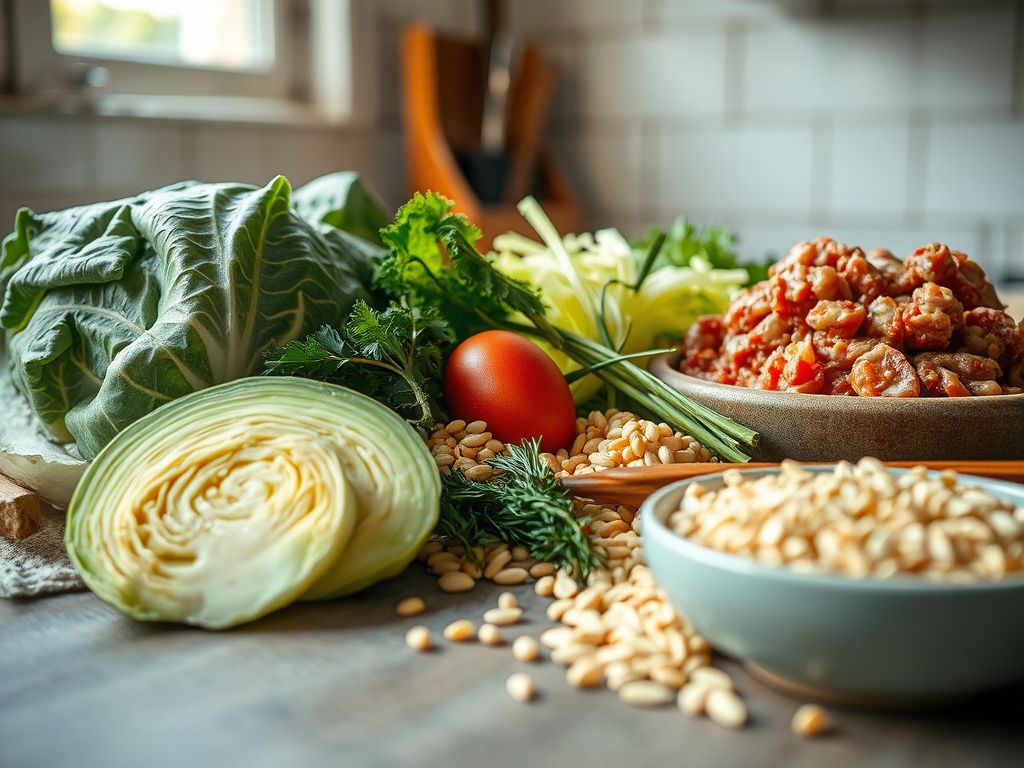
To execute these simple cabbage and ground beef recipes with precision, your mise-en-place must be intentional. You will need one pound of high-quality ground beef; preferably an 80/20 blend. The 20 percent fat content is vital because it acts as the primary cooking medium and flavor carrier for the cabbage. For the greens, one medium head of green cabbage (approximately two pounds) provides the necessary bulk.
Your pantry staples should include kosher salt, cracked black pepper, and an acidic element like apple cider vinegar to brighten the dish. Use a microplane to grate fresh garlic and ginger, which releases essential oils more effectively than chopping. A bench scraper is your best friend here for transferring large volumes of shredded cabbage from the cutting board to the pan without losing half of it to the floor.
Smart Substitutions: If you are watching your saturated fat intake, swap the beef for ground turkey but add a tablespoon of Worcestershire sauce to mimic the umami depth of red meat. For the cabbage, red cabbage offers a more robust crunch and a boost of anthocyanins, though it will turn your dish a vibrant purple. If you lack a fresh head of cabbage, a pre-shredded coleslaw mix is a perfectly acceptable shortcut that saves significant prep time.
The Clock
The beauty of these skillets lies in the "Chef's Flow," a rhythmic approach to timing that ensures nothing gets soggy. Total active time is roughly 10 minutes for prep and 15 minutes for cooking. You start by browning the meat, which takes about 6 to 8 minutes. While the beef renders, you use that time to shred your cabbage.
The cabbage requires only 5 to 7 minutes of high-heat sautéing to reach a "tender-crisp" state. If you cook it longer, the cellular walls collapse entirely, leading to a mushy texture. By following this sequence, you are utilizing the thermal inertia of the pan to keep the beef hot while the cabbage wilts. Total time from fridge to table is under 30 minutes, making this a true weeknight hero.
The Masterclass
1. The Sear and Render
Place your heavy-bottomed skillet over medium-high heat. Add the ground beef, breaking it into large chunks with a wooden spoon or tongs. Do not over-stir; let the meat sit for three minutes to develop a deep brown crust.
Pro Tip: This is the Maillard reaction in action. By allowing the beef to brown undisturbed, you are creating complex flavor molecules that cannot be replicated by steaming or boiling.
2. Deglazing the Fond
Once the beef is browned, remove it from the pan but leave the rendered fat. If the pan looks dry, add a splash of olive oil. Add your aromatics like onions or garlic. Use a splash of water or beef stock to scrape up the brown bits (the fond) from the bottom of the pan.
Pro Tip: Deglazing incorporates the concentrated beef flavor back into the liquid base, ensuring every strand of cabbage is coated in savory goodness.
3. The Cabbage Collapse
Add the shredded cabbage to the skillet in batches. It will look like too much at first, but it will lose about 50 percent of its volume as it cooks. Toss the cabbage frequently to ensure it is coated in the seasoned fat.
Pro Tip: Cabbage contains a high water content. High heat is essential to evaporate this moisture quickly; otherwise, the cabbage will boil in its own juices rather than sauté.
4. Emulsifying the Sauce
Return the beef to the pan. Add your liquid seasonings; perhaps soy sauce, hot sauce, or a squeeze of lime. Stir vigorously to combine the residual fats with the liquids.
Pro Tip: This creates a temporary emulsion, where the fat and water-based liquids bind together to form a glossy sauce that clings to the ingredients.
The Deep Dive
Macro Nutrition: These simple cabbage and ground beef recipes are a powerhouse of nutrition. A standard serving provides roughly 25g of protein and 8g of fiber. Cabbage is exceptionally low in calories but high in Vitamin C and K, making this a high-volume, low-density meal that keeps you full.
Dietary Swaps:
- Keto: This dish is naturally keto-friendly. Ensure your seasonings do not contain hidden sugars.
- Vegan: Use crumbled tempeh or a pea-protein substitute. Use avocado oil to replace the rendered beef fat.
- Gluten-Free: Always use tamari or coconut aminos instead of traditional soy sauce.
The Fix-It:
- Too Salty: Add a splash of vinegar or lemon juice. The acid cuts through the sodium perception.
- Too Watery: Crank the heat to high and remove the lid. Let the excess moisture evaporate rapidly.
- Bland Flavor: You likely under-seasoned the beef. Add a pinch of smoked paprika or a dash of fish sauce for instant depth.
Meal Prep: To maintain "day-one" quality, store the mixture in airtight glass containers. When reheating, use a skillet rather than a microwave. Adding a teaspoon of water and covering the pan will re-steam the cabbage slightly without making the beef rubbery.
The Wrap-Up
Mastering simple cabbage and ground beef recipes is about more than just a quick dinner; it is about understanding how to layer flavors and textures using basic pantry staples. This dish proves that you do not need expensive ingredients to create a meal that feels luxurious and intentional. By focusing on the sear of the beef and the crispness of the cabbage, you create a culinary experience that is both nourishing and nostalgic. Now that you have the science down, go forth and customize your skillet with whatever spices call your name.
The Kitchen Table
Can I use frozen cabbage for this recipe?
Frozen cabbage is generally too soft for a sauté. It works better in soups. For a skillet, stick to fresh cabbage or pre-cut slaw mixes to maintain the essential "tender-crisp" texture and avoid a soggy mess.
How do I prevent the beef from being greasy?
Drain the excess fat after browning the beef, leaving only about one tablespoon in the pan. This provides enough lipids to sauté the cabbage and aromatics without making the final dish feel heavy or oily on the palate.
What is the best way to cut cabbage quickly?
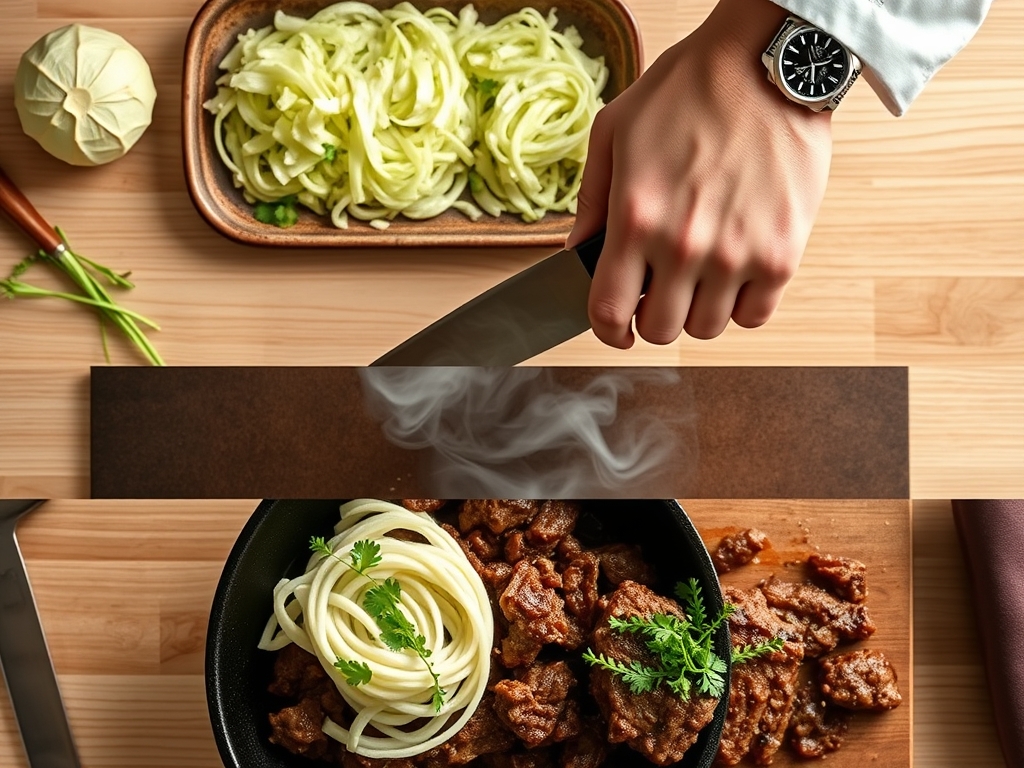
Cut the head into quarters and remove the tough inner core. Lay each wedge flat and use a sharp chef's knife or a mandoline to shave thin ribbons. A bench scraper helps move the pile easily.
Can I make this in a slow cooker?
While possible, you will lose the Maillard flavors and the cabbage texture will become very soft. If you must use a slow cooker, add the cabbage during the last 30 minutes of the cooking cycle to prevent total disintegration.