
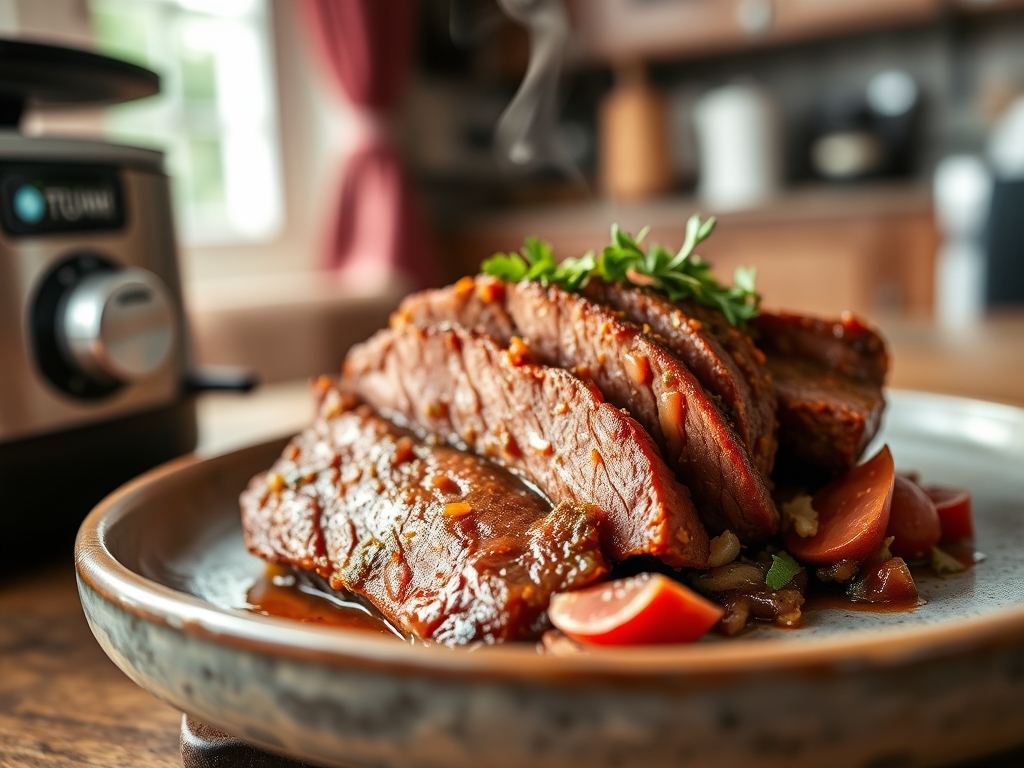
Imagine the scent of piquant pickling spices and salty, savory brisket wafting through your kitchen as the steam dances against the glass lid of your crockpot. When you are hunting for easy corned beef recipes slow cooker styles, you are really looking for that perfect balance of a melt in your mouth texture and a deeply infused brine. It is the ultimate low effort, high reward meal that transforms a tough, fibrous cut of meat into a tender masterpiece while you go about your day.
The magic of this dish lies in the long, slow breakdown of connective tissues. We are not just boiling meat; we are orchestrating a complex thermal process where collagen slowly converts into gelatin. This transition is what gives the beef its luxurious, silky mouthfeel. By the time you lift that lid, the house smells like a cozy Irish pub, and the meat is ready to yield to the slightest pressure of a fork. Whether it is St. Patrick's Day or just a chilly Tuesday, mastering the slow cooker method ensures a consistent, professional result every single time without the stress of monitoring a stovetop pot.
The Gathers:
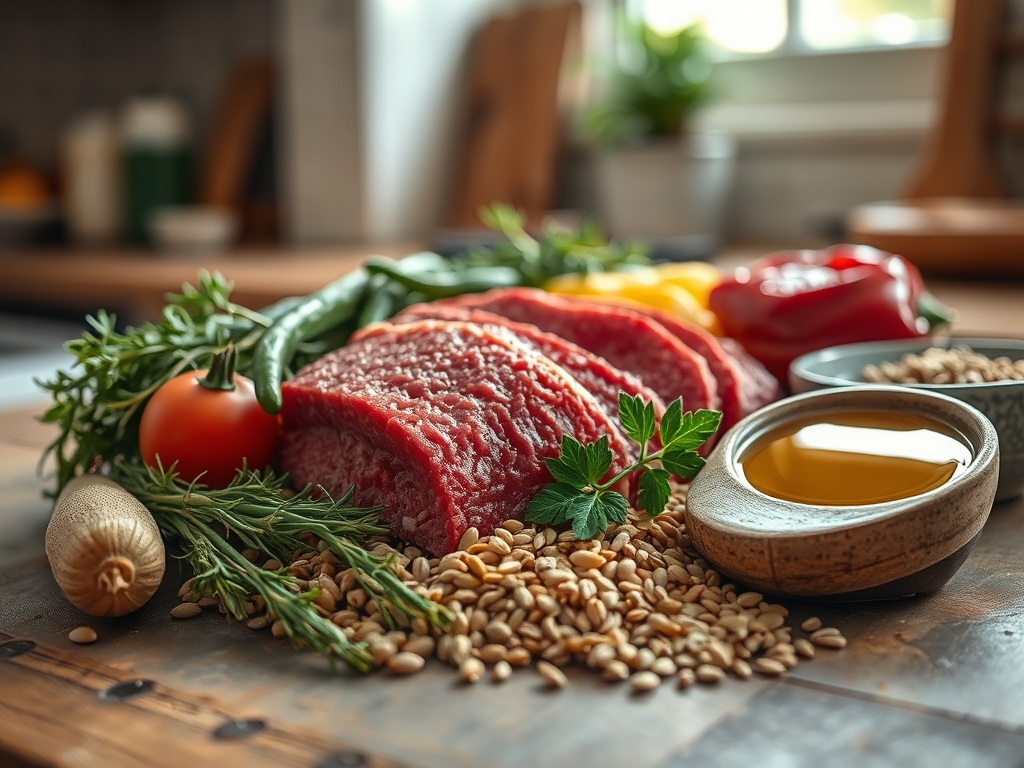
To begin your culinary journey, you need a precise mise en place. Start with a three to four pound corned beef brisket, typically found in a vacuum sealed package with its own brine. You will also need aromatics: one large yellow onion, three cloves of garlic smashed with the flat side of a chef knife, and a pound of waxy baby potatoes. Waxy potatoes are essential because their high moisture and low starch content allow them to hold their shape during the long simmer. Add in four large carrots, peeled and cut into two inch batons, and half a head of green cabbage.
For the liquid gold that will infuse the meat, grab a bottle of stout beer or a high quality beef bone broth. The tannins in the beer help to cut through the richness of the fat. Do not forget the spice packet that comes with the meat; it usually contains mustard seeds, coriander, and bay leaves. If you want to elevate the profile, use a microplane to zest a bit of fresh ginger into the liquid for a subtle heat.
Smart Substitutions: If you are watching your sodium, discard the liquid from the original packaging and rinse the brisket thoroughly under cold water to remove excess salt. You can replace the stout with apple cider for a sweeter, autumnal profile. For those avoiding nightshades, swap the potatoes for parsnips or rutabaga; these root vegetables offer a similar earthy sweetness and a robust texture that survives the long cook time.
The Clock:
Efficiency in the kitchen is all about the "Chef's Flow." Your active prep time for this recipe is a mere 15 minutes. This includes washing the vegetables, peeling the carrots, and searing the meat if you choose to. The passive cooking time is where the heavy lifting happens. On the low setting, expect a six to eight hour duration. On high, the meat will be tender in about four to five hours.
The flow begins with the "heavy" vegetables at the bottom to create a natural rack for the meat. This prevents the brisket from sitting directly on the heating element, ensuring even heat distribution. While the machine hums along, you are free to reclaim your afternoon. The final 30 to 60 minutes are reserved for the cabbage, which requires less time to soften. This staggered entry prevents the greens from turning into a grey, sulfurous mush.
The Masterclass:
1. The Foundation Layer
Place your onions, carrots, and potatoes in the bottom of the slow cooker insert. This creates a flavorful base and elevates the meat.
Pro Tip: This creates a convection current within the liquid. By elevating the meat, you allow the hot liquid to circulate entirely around the brisket, ensuring the internal temperature rises uniformly without hot spots.
2. The Sear and Place
While many easy corned beef recipes slow cooker fans skip this, I recommend using a heavy-bottomed skillet to sear the fat cap for three minutes before placing it in the pot.
Pro Tip: This triggers the Maillard reaction, a chemical reaction between amino acids and reducing sugars that creates hundreds of different flavor compounds. It adds a depth of savoriness that boiling alone cannot achieve.
3. The Liquid Infusion
Pour your liquid of choice over the meat until it is about two-thirds submerged. Sprinkle the spice packet directly onto the fat cap.
Pro Tip: Using a viscous liquid like stout beer increases the boiling point slightly and provides a rich mouthfeel. The alcohol also acts as a solvent, extracting fat soluble flavor compounds from the spices more effectively than water.
4. The Low and Slow Simmer
Set your device to low. Resist the urge to peek; every time you lift the lid, you lose significant heat and moisture.
Pro Tip: Maintaining a temperature just below boiling (around 190 degrees Fahrenheit) is the "sweet spot" for collagen denaturation. If the temperature is too high, the muscle fibers will contract and squeeze out moisture, resulting in tough meat.
5. The Cabbage Integration
Add the cabbage wedges during the final hour of cooking. Use tongs to nestle them into the liquid surrounding the beef.
Pro Tip: Cabbage contains sulfur compounds that break down and become pungent if overcooked. A shorter cook time preserves the cellular structure and natural sweetness of the vegetable.
6. The Rest Period
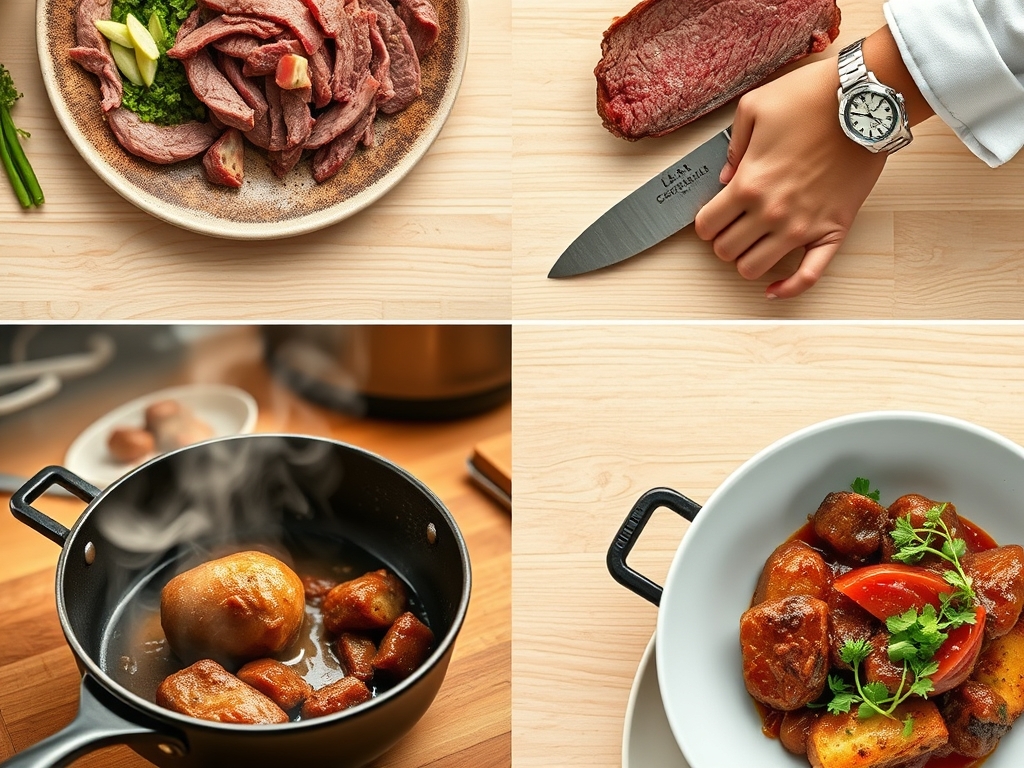
Once the meat is fork tender, remove it from the pot and let it rest on a cutting board for 15 minutes before slicing.
Pro Tip: This allows for moisture redistribution. During cooking, proteins contract and push juices toward the center. Resting allows those fibers to relax and reabsorb the liquid, ensuring a juicy slice.
7. The Grain-Against Cut
Identify the direction of the muscle fibers and use a sharp carving knife to slice perpendicular to them.
Pro Tip: Cutting against the grain shortens the protein fibers. This makes the meat significantly easier to chew, providing that signature "melt in your mouth" experience.
The Deep Dive:
From a macro perspective, corned beef is a powerhouse of protein and B vitamins, specifically B12 and zinc. However, it is naturally high in sodium due to the curing process. To balance this, pair it with potassium rich potatoes and fiber heavy cabbage.
For dietary swaps, Keto followers should omit the potatoes and use radishes instead; when cooked, radishes lose their bite and mimic the texture of a boiled red potato perfectly. Vegan friends can recreate the flavor profile by slow cooking large "steaks" of red cabbage or beets in a brine of pickling spices, soy sauce, and liquid smoke.
The Fix-It:
- Tough Meat: If the beef is rubbery, it simply hasn't cooked long enough for the connective tissue to melt. Give it another hour.
- Too Salty: If the broth is a salt bomb, add a peeled, raw potato for the last 30 minutes to absorb some of the excess; then discard the potato.
- Shredding instead of Slicing: Your knife might be dull, or the meat is overcooked. Use a serrated knife and very gentle pressure to keep slices intact.
For meal prep, reheating is a science. Avoid the microwave, which can turn the fat rubbery. Instead, place slices in a saucier with a splash of the leftover cooking liquid. Cover and warm over low heat to rehydrate the proteins without overcooking them.
The Wrap-Up:
Mastering easy corned beef recipes slow cooker style is like having a secret weapon in your culinary arsenal. It is about understanding the chemistry of heat and the patience of the "low and slow" philosophy. By focusing on the quality of your aromatics and the timing of your vegetables, you elevate a humble Irish staple into a gourmet feast. Now, grab your tongs, set that timer, and get ready to enjoy the most tender brisket of your life!
The Kitchen Table:
How do I keep my corned beef from being tough?
The key is patience. Ensure you cook the meat on the "low" setting for at least six to eight hours. This allows the tough collagen to slowly transform into silky gelatin, resulting in a tender, fork-yielding texture.
Should I cook corned beef fat side up or down?
Always cook with the fat cap facing up. As the fat renders during the slow cooking process, it bastes the meat naturally. This keeps the brisket moist and infuses the entire pot with deep, savory flavor.
Can I overcook corned beef in a slow cooker?
Yes, eventually the muscle fibers will lose all structural integrity and become mushy. To avoid this, start checking for "fork tenderness" around the six hour mark on low. Once it yields easily, it is perfectly done.
Why do you add cabbage at the end?
Cabbage cooks much faster than brisket. Adding it at the start results in a soggy, grey mess. By waiting until the final hour, you ensure the cabbage stays vibrant, sweet, and structurally sound for serving.