
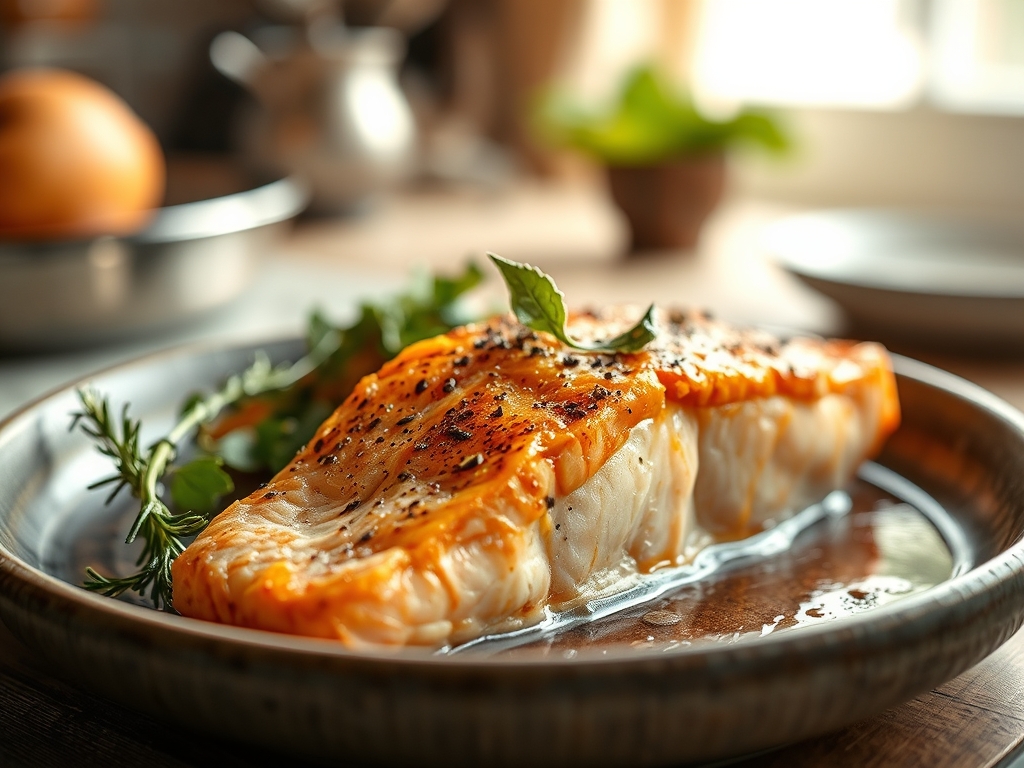
Imagine the scent of citrus zest hitting a hot sheet pan; it is a bright, sharp aroma that cuts through the rich, buttery fragrance of melting fats. When you master fresh salmon recipes in oven, you are not just cooking dinner; you are orchestrating a delicate thermal dance between protein structures and lipid infusion.
Salmon is the crown jewel of the sea, but it is notoriously finicky. One minute too long and you have a dry, chalky brick; one minute too short and the center remains unpleasantly translucent. We are going for that perfect, fork-tender flake that glistens with its own natural oils. I am going to show you how to treat this fish with the respect it deserves by using heat as a precision tool rather than a blunt instrument. We will manipulate surface moisture to achieve a gorgeous crust while keeping the interior at a precise, succulent medium-rare. Grab your favorite apron and a glass of crisp Sauvignon Blanc. We are about to turn your kitchen into a high-end bistro with science as our secret ingredient.
The Gathers:
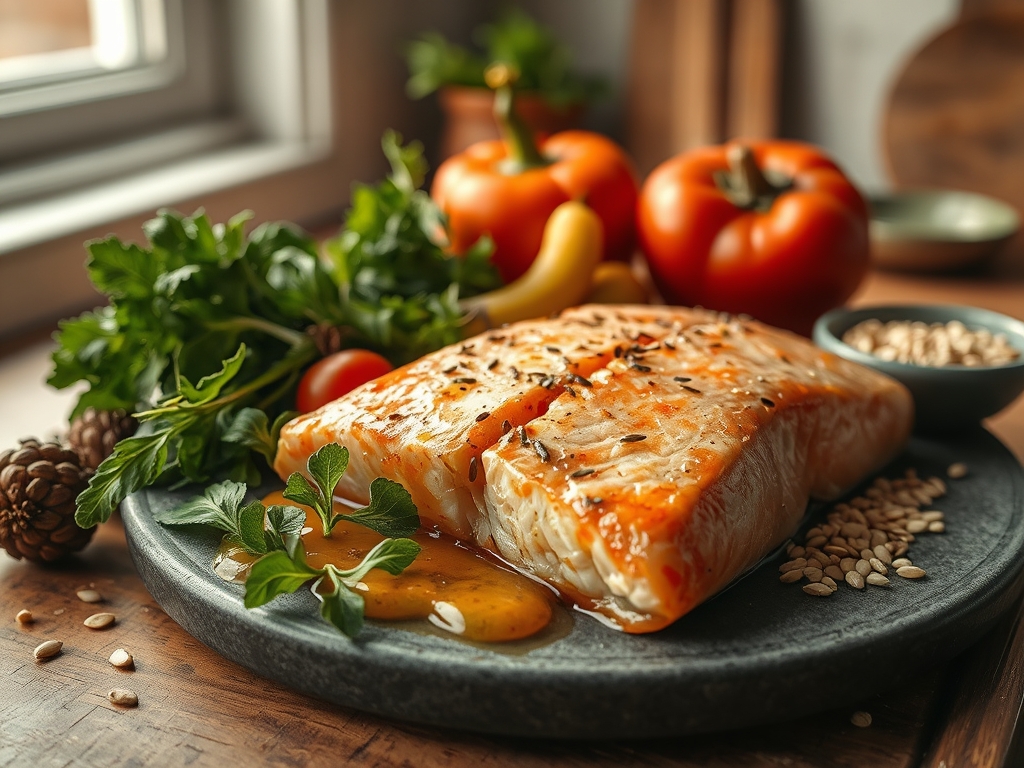
To execute these fresh salmon recipes in oven, your mise-en-place must be impeccable. We start with a center-cut fillet, preferably King or Sockeye, weighing approximately 1.5 pounds. You will need high-quality lipids: unsalted European butter for its lower water content and a high-smoke-point oil like avocado oil. Our aromatics include fresh dill, flat-leaf parsley, and three cloves of garlic. For the acidic component, we use the zest and juice of one organic lemon to provide a piquant counterpoint to the fish's richness.
The Essential Tool Kit:
- Digital Scale: To ensure your fillets are uniform in weight for even cooking.
- Microplane: For creating a fine citrus zest that releases essential oils without the bitter white pith.
- Tweezers or Pliers: For removing stubborn pin bones that disrupt the texture.
- Heavy-Duty Baking Sheet: To prevent warping and ensure even heat distribution.
Smart Substitutions:
If you are avoiding dairy, swap the butter for a viscous extra virgin olive oil. For a deeper umami profile, replace the kosher salt with a splash of white miso paste diluted in a teaspoon of warm water. If fresh dill is unavailable, use fennel fronds; they offer a similar herbaceous note with a subtle anise finish.
The Clock
Efficiency in the kitchen is about the Chef's Flow. This is the rhythmic sequence of tasks that prevents frantic energy. Total preparation time is 10 minutes, while the active cooking time ranges from 12 to 15 minutes depending on the thickness of the fillet.
Start by preheating your oven. This is non-negotiable; putting fish into a cold oven results in a mushy texture as the proteins slowly "weep" moisture. While the oven reaches its target temperature, perform your knife work. By the time your aromatics are prepped and the fish is seasoned, the oven chime should sound. This 25-minute total cycle ensures the fish never sits at room temperature for too long, preserving its structural integrity and food safety.
The Masterclass
1. Tempering and Desiccating the Surface
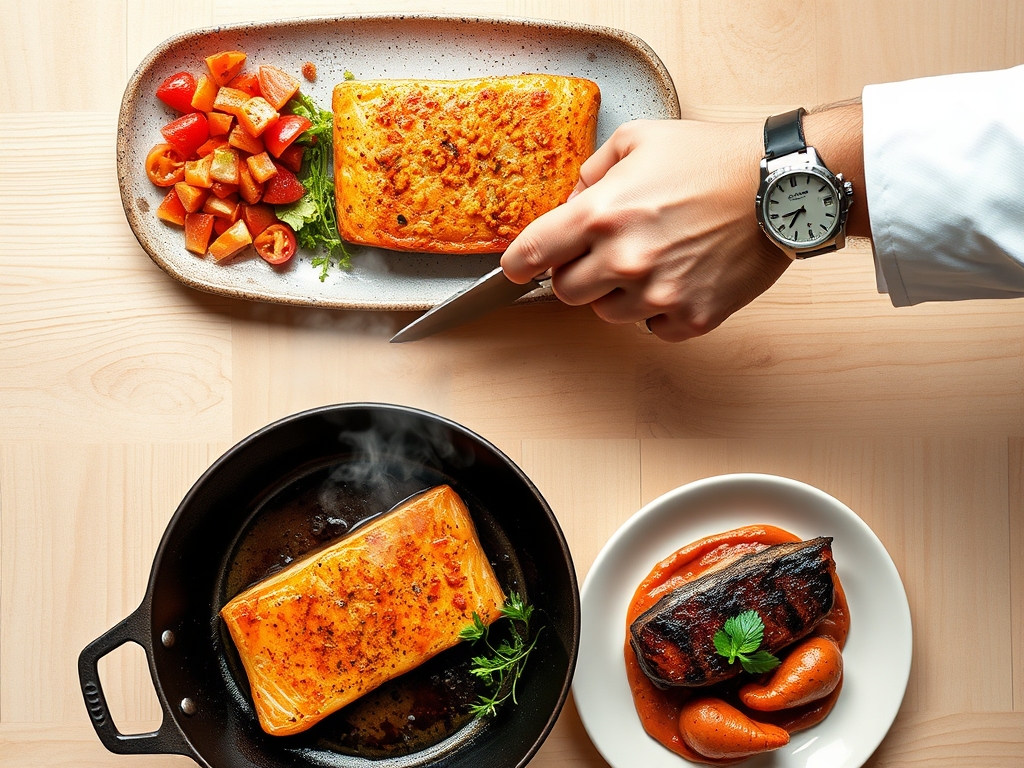
Remove the salmon from the refrigerator 15 minutes before cooking. Use a lint-free paper towel to pat the skin and flesh completely dry. Moisture is the enemy of the Maillard reaction; if the surface is damp, the fish will steam rather than sear.
Pro Tip: This process is called surface desiccation. By removing external water molecules, you allow the heat to immediately begin breaking down amino acids and sugars on the surface, creating a savory crust rather than a rubbery exterior.
2. The Precision Seasoning
Place the fillet on a parchment-lined tray. Use your microplane to shower the fish with lemon zest, then aggressively season with kosher salt from a height of twelve inches. This ensures an even distribution of crystals across the entire surface area.
Pro Tip: Salt acts as a denaturant. It begins to dissolve the thin filament proteins (myosin), which helps the fish retain its internal juices during the high-heat transition.
3. The Lipid Barrier
Drizzle the avocado oil over the flesh and massage it in gently. Place small pats of cold butter on top. As the butter melts, the milk solids will brown, adding a nutty complexity to the profile.
Pro Tip: This creates an emulsified fat cap. The oil prevents the butter from burning too quickly, while the butter provides the flavor. This barrier also shields the delicate proteins from direct convective heat.
4. The Thermal Blast
Slide the tray into the center rack of the oven at 400 degrees Fahrenheit. If you have a convection setting, use it to circulate the air and ensure the edges become crisp.
Pro Tip: High-heat roasting triggers thermal carryover. Even after you remove the fish from the oven, the internal temperature will continue to rise by 3 to 5 degrees. Pull the fish when it hits 125 degrees for a perfect 130-degree finish.
5. The Herb Infusion
In the final two minutes of cooking, scatter your chopped herbs and minced garlic over the top. This prevents the delicate herbs from incinerating while allowing their volatile oils to infuse into the melting butter.
Pro Tip: This is known as late-stage aromatizing. It preserves the bright green chlorophyll in the herbs and prevents the garlic from becoming bitter through over-caramelization.
6. The Rest and Deglaze
Transfer the salmon to a warm plate using wide tongs or a fish spatula. Let it rest for 3 minutes. While it rests, pour the remaining juices from the pan into a small saucier and add a squeeze of fresh lemon to deglaze the pan drippings.
Pro Tip: Resting allows the muscle fibers to relax and reabsorb the juices. If you cut into it immediately, the moisture will evacuate onto the plate, leaving the meat dry.
The Deep Dive
Macro Nutrition:
A standard 6-ounce serving of oven-baked salmon provides approximately 34 grams of high-quality protein and 18 grams of healthy fats, primarily Omega-3 fatty acids. It is naturally low in carbohydrates, making it an ideal anchor for various dietary lifestyles.
Dietary Swaps:
- Keto: Stick to the recipe as written; the high fat and protein content is perfect.
- Vegan: Use the same seasoning and roasting technique on a "steak" of cauliflower or a large King Trumpet mushroom.
- GF: This recipe is naturally gluten-free, provided your spices are pure and uncontaminated.
The Fix-It: Common Pitfalls
- The White Stuff (Albumin): If you see white goop leaking out, the oven was too hot or you overcooked it. To fix this, reduce the heat and pull the fish earlier next time.
- Soggy Skin: This happens when the pan isn't preheated or there is too much moisture. Fix: Start the salmon skin-side down on a hot pan before putting it in the oven.
- Uneven Cooking: This occurs with "tail" pieces. Fix: Fold the thin tail section under itself to create a uniform thickness across the fillet.
Meal Prep & Reheating:
To reheat without ruining the texture, avoid the microwave. Use a low-temperature oven (275 degrees) with a splash of water or broth covered in foil. This creates a steaming chamber that gently warms the fats without re-cooking the protein fibers.
The Wrap-Up
Mastering fresh salmon recipes in oven is a foundational skill that elevates your culinary repertoire from "home cook" to "kitchen scientist." By understanding how lipids, salt, and thermal energy interact, you can produce a restaurant-quality meal in less time than it takes to order takeout. Remember: dry the surface, season with intent, and never skip the rest. You have the tools and the knowledge; now go make something incredible!
The Kitchen Table
How do I know when the salmon is done without a thermometer?
Use a cake tester or a thin metal skewer. Insert it into the thickest part for five seconds, then touch it to your lower lip. If it feels warm (not hot), the fish is perfectly medium-rare.
Can I use frozen salmon for these recipes?
Yes, but you must thaw it completely in the refrigerator first. Pat it exceptionally dry, as frozen fish tends to release more interstitial moisture, which can impede the searing process and affect the final texture.
Why does my salmon smell "fishy" after cooking?
True freshness has no odor. A "fishy" smell indicates the fats have begun to oxidize. To neutralize minor odors, rinse the raw fillet in cold water and pat dry, or use an acidic marinade to brighten the flavor.
What is the best rack position for baking salmon?
The middle rack is ideal for even convective heat. If you want a crispier top, move it to the upper third of the oven during the last two minutes of the cooking cycle to utilize intense radiant heat.