
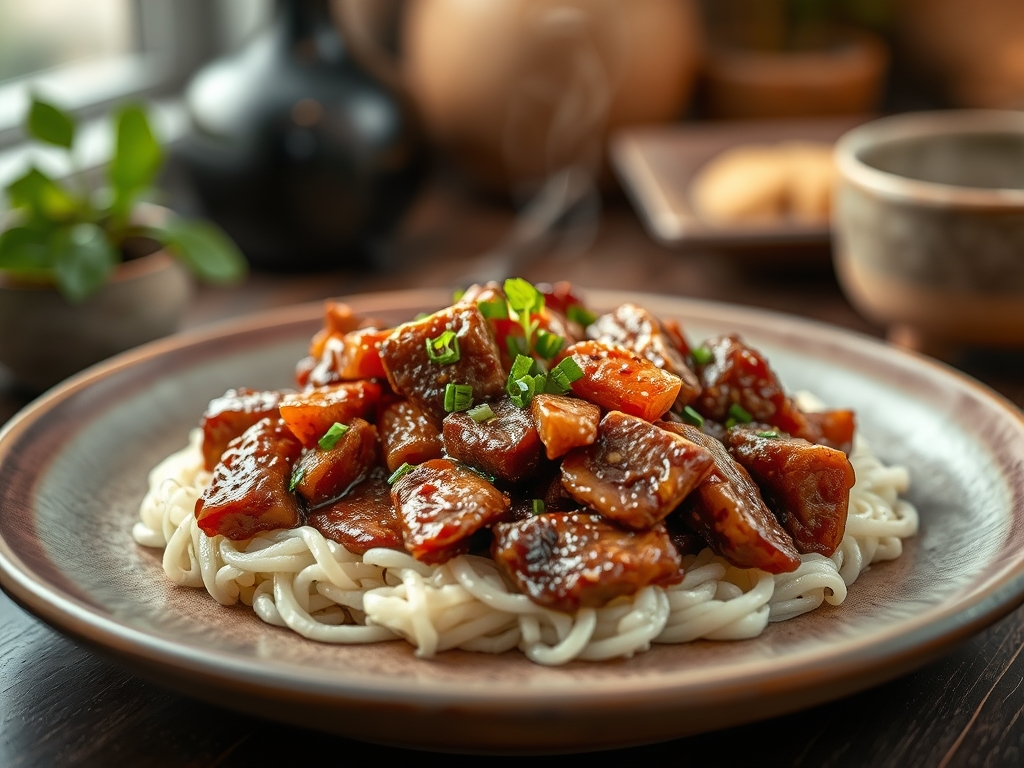
The scent of toasted sesame oil and searing protein hitting a hot surface is a universal language for "dinner is served." When you are craving that specific, savory umami punch, mastering easy chinese beef recipes is your ultimate kitchen superpower. We are moving beyond the soggy takeout containers and into the realm of high-heat precision and balanced aromatics that define professional stir-fry.
Think of your wok or heavy-bottomed skillet as a laboratory where heat transforms simple fibers into tender, caramelized gold. Whether you are craving the piquant kick of Kung Pao or the viscous, silky luxury of Beef and Broccoli, the secret lies in the preparation. We are going to strip away the mystery of velveted meat and high-velocity cooking. By the time we are done, you will be navigating the pantry like a seasoned chef; wielding your tongs with the confidence of someone who knows exactly why their garlic is golden rather than burnt. Let us turn the heat up and get to work.
The Gathers:
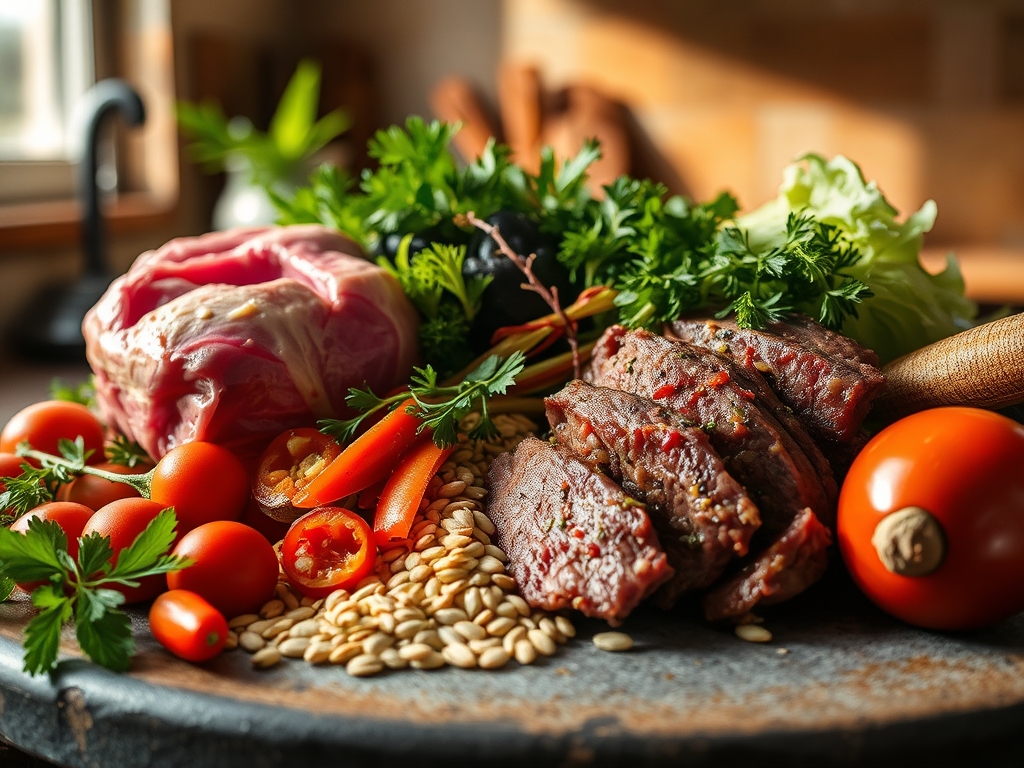
Before the first flame is lit, your mise-en-place must be flawless because these easy chinese beef recipes move at the speed of light. Your primary canvas is the beef; specifically flank or skirt steak. Use a sharp chef knife to slice against the grain at a forty-five degree angle. This creates more surface area for the Maillard reaction and breaks down the long muscle fibers for a melt-in-your-mouth texture.
Your aromatics are the soul of the dish. You will need fresh ginger, which should be grated with a microplane to release its volatile oils, and garlic that has been smashed to activate allicin. For the liquids, gather high-quality light soy sauce for salt, dark soy sauce for that deep mahogany hue, and Shaoxing wine to deglaze the pan. Do not forget the cornstarch; this is the secret to "velveting," a technique that creates a protective gelatinous barrier around the meat to prevent it from toughening under high heat.
Smart Substitutions: If you cannot find Shaoxing wine, a dry sherry works beautifully. If you are avoiding soy, liquid aminos or coconut aminos provide a similar depth. For the heat, if fresh Thai bird eye chilies are too intense, a dollop of chili crisp or a sprinkle of red pepper flakes will suffice to infuse the oil with spice.
The Clock
Efficiency in the kitchen is all about the "Chef's Flow." For these nine classics, the preparation phase takes approximately fifteen minutes, while the actual cooking phase rarely exceeds eight minutes. The goal is to minimize the "dwell time" of the ingredients in the pan to prevent steaming.
You should spend the first ten minutes prepping your vegetables with a bench scraper to move them into organized piles. Spend five minutes marinating the beef. The cooking itself is a choreographed dance: sear the protein, remove it, sauté the aromatics, toss the vegetables, and then recombine everything with the sauce. This staggered timing ensures that the beef stays succulent while the vegetables retain a crisp, vibrant snap.
The Masterclass
1. The Velvet Soak
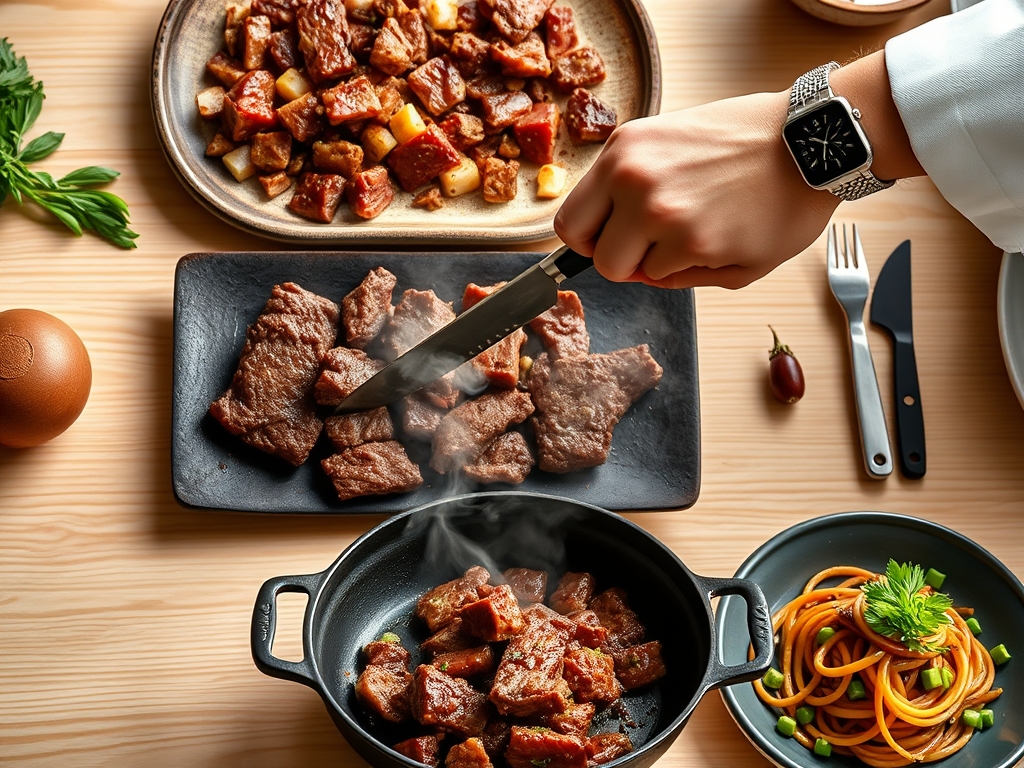
Place your sliced beef in a bowl with cornstarch, a splash of soy sauce, and a teaspoon of oil. Massage the mixture until the beef is coated in a thin, translucent film.
Pro Tip: This creates an alkaline environment that relaxes the protein strands, a process known as enzymatic tenderization, ensuring the meat remains soft even at five hundred degrees.
2. The Sear and Render
Heat your heavy-bottomed skillet until a drop of water dances and evaporates instantly. Add a high-smoke-point oil like grapeseed and lay the beef in a single layer. Do not crowd the pan.
Pro Tip: Crowding causes the temperature to drop, leading to moisture release and "gray meat." You want high-velocity thermal transfer to achieve the Maillard reaction for complex flavor development.
3. The Aromatic Infusion
Remove the beef once it is eighty percent cooked. Add your ginger, garlic, and scallion whites to the residual fat. Stir constantly for thirty seconds until fragrant.
Pro Tip: Fat is a solvent for flavor. Sautéing aromatics in the rendered beef fat allows the fat-soluble compounds in the garlic and ginger to distribute evenly throughout the entire dish.
4. The Vegetable Flash
Toss in your broccoli, peppers, or snap peas. Add a tablespoon of water or stock and cover for thirty seconds to create a steam-flash.
Pro Tip: This "steam-fry" method uses latent heat to soften the cellulose in vegetables without losing their vibrant chlorophyll color or nutritional density.
5. The Sauce Emulsification
Whisk your sauce ingredients (soy, sugar, starch, and broth) and pour them into the center of the pan. Let it bubble until it turns from cloudy to clear and viscous.
Pro Tip: As the starch granules reach their gelatinization point, they swell and trap the liquid, creating a glossy sheen that clings to every crevice of the beef.
6. The Final Marriage
Return the beef to the pan along with any accumulated juices. Toss everything together for sixty seconds to ensure the flavors are fully integrated.
Pro Tip: This final step accounts for thermal carryover. The beef will finish cooking to a perfect medium-rare while the sauce finishes its reduction.
The Deep Dive
When we look at the macro nutrition of these easy chinese beef recipes, we see a powerhouse of lean protein and micronutrients. A standard serving provides roughly thirty grams of protein and a wealth of iron and zinc. To keep it Keto, simply swap the cornstarch for xanthan gum and use a sugar-free sweetener like monk fruit. For a Gluten-Free version, Tamari is your best friend.
"The Fix-It" Guide:
- The Sauce is Too Salty: Do not add water; add a splash of rice vinegar or a pinch of sugar to balance the sodium levels through acid or sweetness.
- The Beef is Tough: You likely sliced with the grain or skipped the velveting. Next time, ensure you use a digital scale to measure your starch-to-meat ratio accurately.
- The Dish is Watery: This happens when the pan is not hot enough. To fix a current batch, remove the solids and boil the sauce down in a small saucier until it thickens before recombining.
For Meal Prep enthusiasts, reheating is a science. To maintain "day-one" quality, avoid the microwave if possible. Reheat in a skillet over medium heat with a teaspoon of water. This re-hydrates the starch molecules in the sauce, preventing that "rubbery" texture that often plagues leftover beef.
The Wrap-Up
Mastering the art of easy chinese beef recipes is less about following a rigid script and more about understanding the physics of the pan. Once you grasp how to manage your heat and balance your aromatics, you can turn any cut of beef into a restaurant-quality masterpiece in less time than it takes for a delivery driver to find your house. Keep your tools sharp, your heat high, and your ingredients ready. You have the science; now go make some magic happen on that stovetop.
The Kitchen Table
What is the best cut of beef for stir-fry?
Flank steak or sirloin are ideal. They are lean enough to cook quickly but have enough structural integrity to hold up under high heat. Always slice against the grain to ensure maximum tenderness in every bite.
Why is my stir-fry sauce always watery?
This usually happens if the pan temperature drops too low or the vegetables release too much moisture. Ensure your skillet is screaming hot before adding ingredients, and always use a cornstarch slurry to properly emulsify and thicken the liquids.
Can I make these recipes without a wok?
Absolutely. A heavy-bottomed stainless steel or cast-iron skillet is a perfect substitute. These pans retain heat exceptionally well, which is crucial for achieving the sear necessary for authentic flavor without the specialized shape of a traditional wok.
How do I get that "restaurant shine" on the sauce?
The glossy finish comes from the gelatinization of cornstarch combined with a tiny amount of oil. For an extra professional glow, stir in a teaspoon of sesame oil or butter right at the end after turning off the heat.