
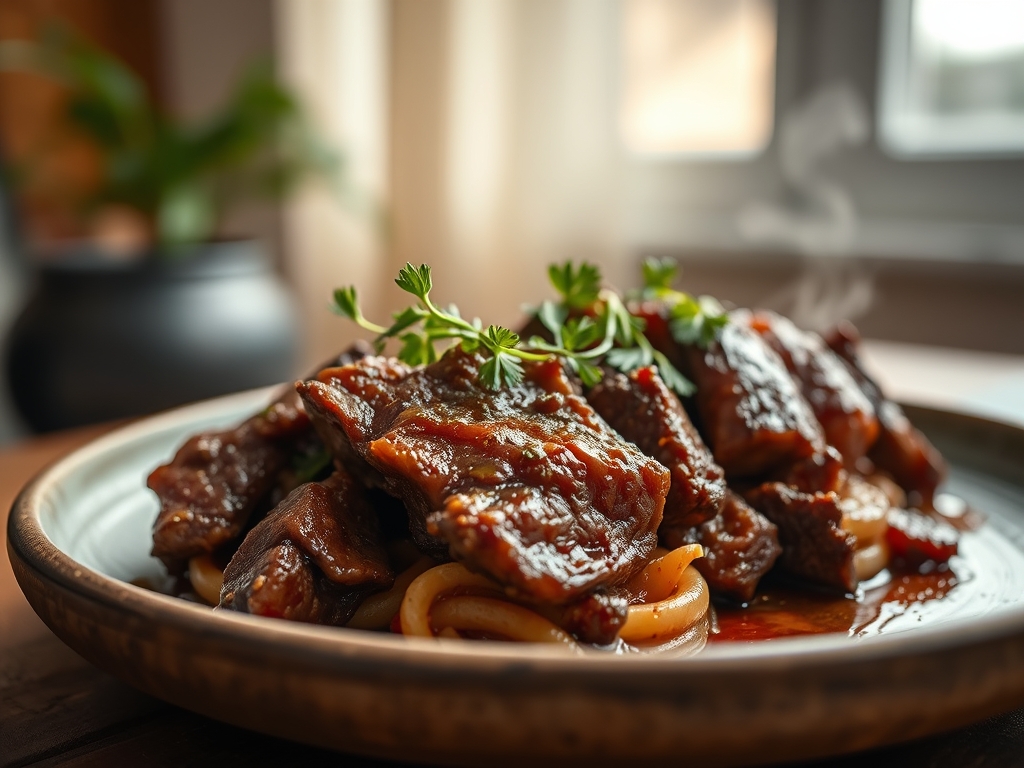
Picture the scent of deep umami drifting through your kitchen; it is a heavy, intoxicating aroma that signals a perfect sear. We are moving beyond the standard steak and potatoes to explore unusual beef recipes that challenge your palate and elevate your technical skills. These hacks transform humble cuts into gourmet masterpieces through the power of molecular chemistry.
The secret to a truly memorable meal lies in the unexpected. By manipulating proteins at a cellular level, we can achieve textures and flavors that seem impossible. Whether you are infusing fat with botanical aromatics or using acidic fruit enzymes to break down tough connective tissues, these techniques are the bridge between home cooking and professional artistry. Most people settle for mediocre browning, but you are about to master the art of the Maillard reaction. We are diving into a world where coffee rubs, fish sauce glazes, and baking soda brines reign supreme. Prepare to see beef not just as an ingredient, but as a canvas for scientific experimentation.
The Gathers:
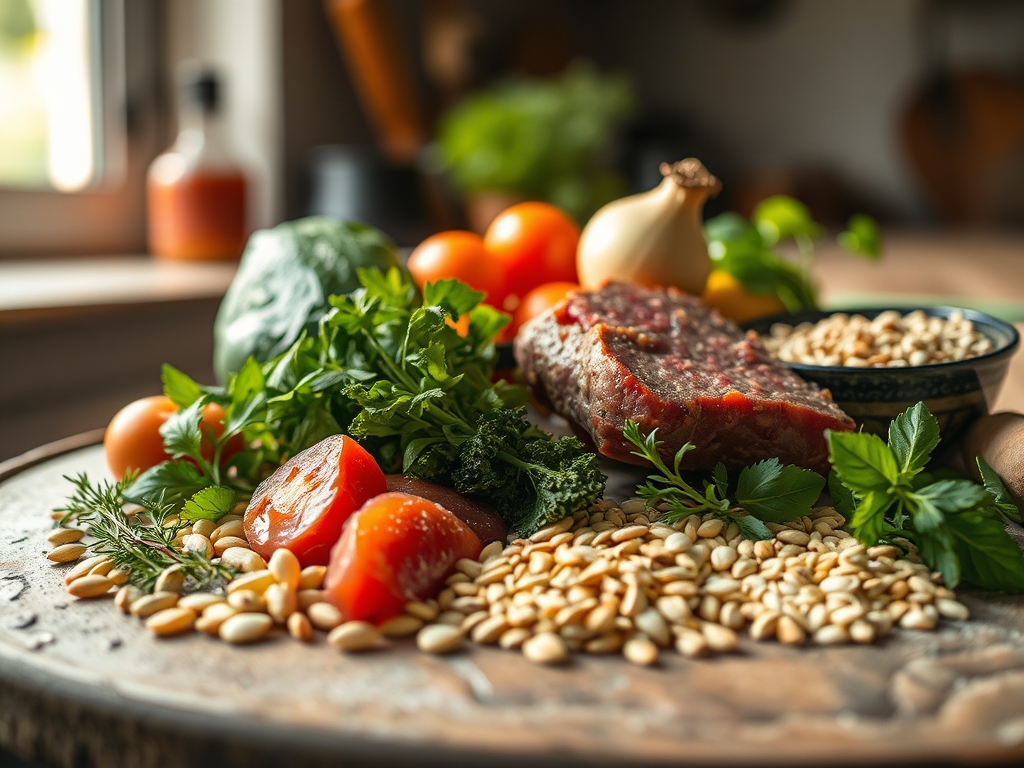
To execute these unusual beef recipes, your mise en place must be precise. Start with a high quality cut like a chuck roast or a flank steak. You will need a heavy bottomed skillet, preferably cast iron, to ensure even heat distribution and maximum thermal mass. Gather your aromatics: fresh star anise, dark roasted espresso grounds, and high quality fish sauce. The fish sauce provides a viscous source of glutamates that amplifies the natural savoriness of the meat without tasting "fishy" at all.
You will also need a microplane for zesting citrus and grating frozen butter. For the chemical tenderizing hack, keep a box of sodium bicarbonate (baking soda) nearby. Smart Substitutions: If you lack espresso, a dark cocoa powder offers a similar earthy bitterness. If you are out of fish sauce, use Worcestershire sauce or a splash of soy sauce mixed with a tiny bit of anchovy paste. Ensure all your liquids are measured using a digital scale for consistency; weight is always more accurate than volume when dealing with concentrated flavor agents.
The Clock
Efficiency in the kitchen is about "Chef's Flow." This is the sequence of operations that minimizes downtime. Total active prep time for these hacks is approximately 30 minutes, but the passive time is where the magic happens. A dry brine requires at least 45 minutes to allow the salt to penetrate the muscle fibers through osmosis.
Cooking times vary by technique. A quick sear on a "velveted" beef strip takes only 3 minutes over high heat, while a slow-braised unusual cut might take 4 hours. The goal is to synchronize your tasks. Start your marinating and brining first. While the proteins rest, use your bench scraper to clear your workstation and prep your garnishes. This ensures that when the pan is screaming hot, you are focused entirely on the thermal transition of the meat.
The Masterclass
1. The Baking Soda Velvet
Dust thinly sliced beef with a small amount of baking soda and let it sit for 20 minutes before rinsing. This raises the pH level on the surface of the meat, preventing the proteins from bonding too tightly when heated. The result is a silky, tender texture typical of high end stir fry.
Pro Tip: This is known as alkaline tenderization. By shifting the pH, you disrupt the electrostatic attraction between protein filaments, ensuring the meat remains tender even at high temperatures.
2. The Espresso Umami Crust
Combine finely ground espresso with smoked paprika and brown sugar to create a dry rub. The acidity in the coffee acts as a subtle tenderizer while the sugars caramelize to form a dark, complex crust. Use your tongs to press the meat firmly into the rub to ensure total coverage.
Pro Tip: The caffeine and tannins in the coffee provide a bitter counterpoint to the rich fat of the beef. This creates a "flavor bridge" that makes the meat taste more intensely savory.
3. The Fish Sauce Deglaze
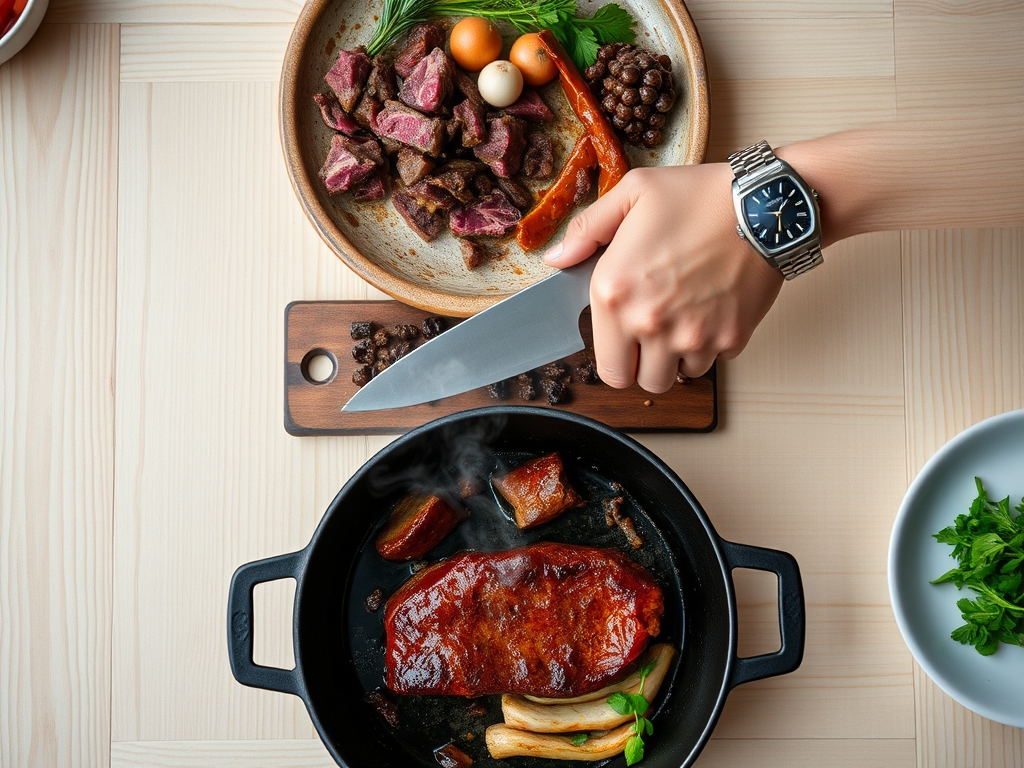
After searing your beef, the bottom of your saucier will be covered in "fond," which are the browned bits of protein. Instead of wine, use a mixture of fish sauce and lime juice to deglaze the pan. Use a whisk to infuse the liquid with the rendered fats.
Pro Tip: Fish sauce is a fermented product rich in free amino acids. When these hit the hot pan, they undergo further complex browning reactions, creating a piquant sauce with incredible depth.
4. Frozen Butter Grating
For burgers or meatloaves, use a microplane to grate frozen butter directly into the raw ground beef. Gently fold it in without overworking the meat. This creates tiny pockets of fat that melt during cooking, essentially "self basting" the beef from the inside out.
Pro Tip: This technique prevents the meat from becoming dense. As the butter melts, it creates steam which helps to aerate the interior of the patty, resulting in a lighter mouthfeel.
5. The Pineapple Enzyme Soak
For particularly tough cuts like shanks, use a fresh pineapple puree as a marinade for no more than 30 minutes. Pineapple contains bromelain, a powerful enzyme that digests collagen and muscle fiber.
Pro Tip: Be cautious with timing. Bromelain is highly efficient; if left too long, the beef will lose all structure and become mushy. This is enzymatic hydrolysis in action.
6. The Reverse Sear Chill
Cook your beef in a low oven until it reaches an internal temperature of 115 degrees Fahrenheit. Then, remove it and let it rest in the refrigerator for 10 minutes before searing it in a white hot pan. This dries out the surface completely, leading to an instantaneous crust.
Pro Tip: Moisture is the enemy of the Maillard reaction. By chilling the surface, you ensure that the heat of the pan goes entirely into browning rather than evaporating surface water.
The Deep Dive
Nutritionally, beef is a powerhouse of bioavailable iron, zinc, and Vitamin B12. These unusual beef recipes focus on lean cuts made tender through science, keeping the caloric density manageable while maximizing protein intake. For those with dietary restrictions, these hacks are incredibly versatile.
Dietary Swaps:
- Keto: Replace the brown sugar in the espresso rub with an erythritol based sweetener or omit it entirely.
- Vegan: While these are beef hacks, the "velveting" technique works exceptionally well on oyster mushrooms or seitan.
- Gluten-Free: Ensure your fish sauce is certified GF, as some brands use wheat as a fermentation stabilizer.
The Fix-It:
- The Meat is Gray: This happens when the pan is crowded. If the temperature drops, the meat steams in its own juices. Fix: Sear in smaller batches to maintain high thermal energy.
- The Sauce is Broken: If your pan sauce separates, it means the emulsion failed. Fix: Remove from heat and whisk in a teaspoon of cold water or a knob of cold butter to re-emulsify the fats.
- Too Salty: If the fish sauce or brine was too heavy, add a splash of rice vinegar or a squeeze of lemon. The acid will mask the perception of salt on the tongue.
Meal Prep:
When reheating beef, avoid the microwave, which causes protein fibers to tighten and become rubbery. Instead, use a "low and slow" approach in a toaster oven or a covered skillet with a tablespoon of broth. This creates a gentle steam environment that preserves the viscous juices and prevents the meat from overcooking.
The Wrap-Up
Mastering these unusual beef recipes is about more than just following a list of steps; it is about understanding the "why" behind the "how." When you use chemistry to your advantage, you unlock a level of flavor that most home cooks never reach. From the alkaline shift of a baking soda brine to the enzymatic power of tropical fruit, you now have a professional toolkit at your disposal. Go forth, experiment with these textures, and turn your next dinner into a scientific triumph.
The Kitchen Table
Why use baking soda on beef?
Baking soda raises the pH level of the meat surface. This chemical shift prevents protein strands from tightening during cooking, resulting in a tender, velvety texture even in cheaper, leaner cuts of beef.
Can I use instant coffee for the rub?
Yes, but espresso grounds are preferred for their finer texture and deeper flavor profile. Instant coffee can sometimes become overly sticky when it dissolves; ensure you mix it thoroughly with other dry spices first.
How do I prevent fish sauce from smelling?
The pungent aroma of fish sauce mellows significantly once it hits a hot pan. As it reduces and reacts with the beef fats, the sharp scent transforms into a savory, nutty umami flavor.
Is pineapple juice the same as fresh puree?
Canned pineapple juice is often pasteurized, which denatures the bromelain enzyme. For effective tenderization, you must use fresh pineapple, as the live enzymes are necessary to break down the tough connective tissues.