
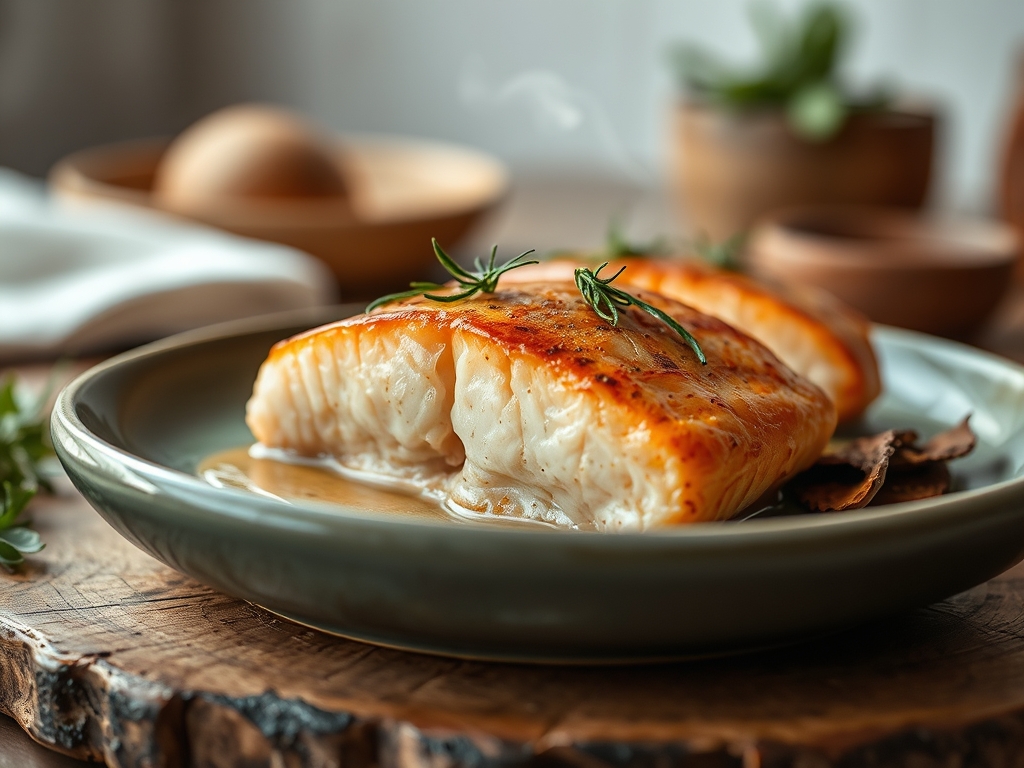
Imagine the sound of a cold, stainless steel knife slicing through a chilled fillet. The flesh is a vibrant coral, marbled with delicate lines of ivory fat that promise a buttery mouthfeel without the heavy caloric toll of red meat. When you master light salmon recipes, you are not just cooking; you are performing a delicate balancing act between high-heat searing and gentle infusion. We are moving past the days of dry, gray fish and heavy cream sauces. Instead, we are leaning into the bright acidity of citrus and the sharp, piquant bite of fresh aromatics. This is about honoring the ingredient by doing as little to it as possible, while using every scientific trick in the book to maximize flavor. We want that skin to shatter like glass while the interior remains a translucent, tender medium-rare. It is sophisticated, it is effortless, and it is exactly what your body is craving after a long day. Let's get into the chemistry of the perfect sear.
The Gathers:
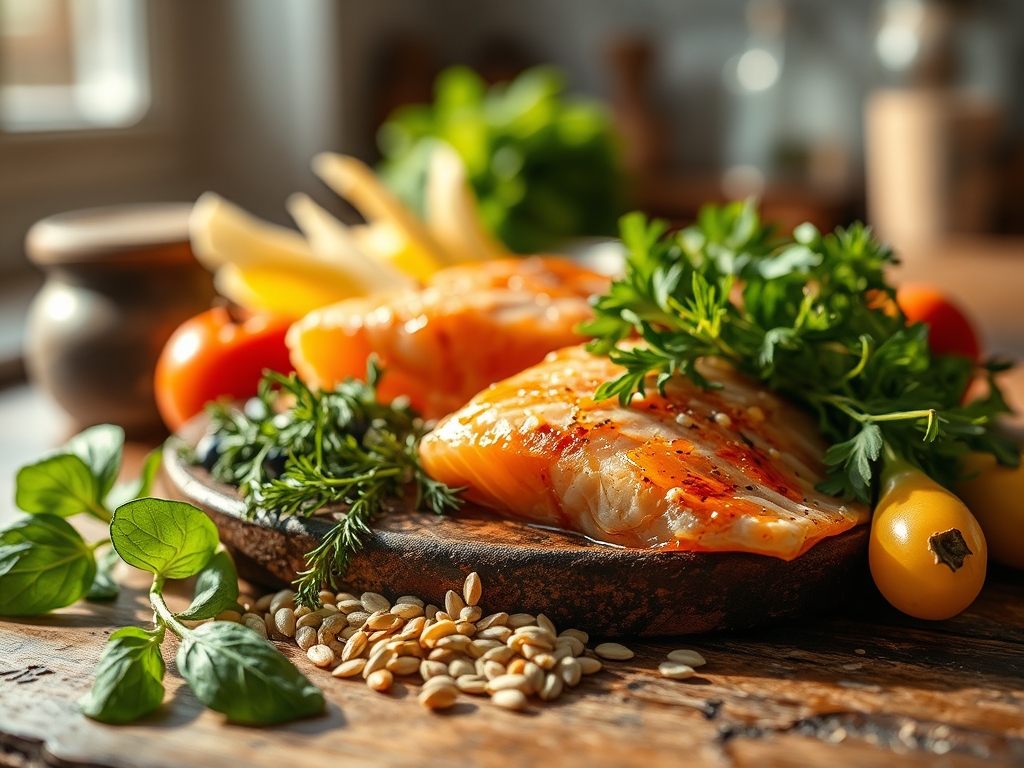
Your mise-en-place is the foundation of culinary success. Start with high-quality Atlantic or King salmon fillets, ideally center-cut for uniform thickness. You will need a high-smoke-point oil, such as avocado or grapeseed oil, to facilitate the Maillard reaction without scorching. Gather your aromatics: fresh dill, flat-leaf parsley, and a bulb of garlic. Use a microplane to zest a lemon, capturing the essential oils without the bitter white pith. For the liquid components, have a dry white wine or a splash of verjus ready to deglaze your pan.
Smart Substitutions: If you are watching your sodium, swap traditional soy sauce for liquid aminos or coconut aminos to maintain that savory depth. Instead of butter, use a cold-pressed extra virgin olive oil added at the very end to preserve its volatile flavor compounds. If you lack fresh herbs, a high-quality freeze-dried alternative can work, though the texture will be less vibrant. Always use a digital scale to ensure your portions are consistent, which is the secret to predictable cooking times.
The Clock: Chef's Flow
Efficiency in the kitchen is about managing your "Chef's Flow." Total preparation time for these hacks averages 15 minutes, with active cook times spanning 6 to 10 minutes depending on the thickness of the protein.
- The Chill (0-5 mins): Remove the fish from the refrigerator. Pat it bone-dry with paper towels. Moisture is the enemy of a crisp crust.
- The Prep (5-15 mins): Mince your aromatics and prepare your side greens. This ensures that once the fish hits the heat, you aren't distracted.
- The Sear (15-22 mins): This is the high-intensity phase. Do not move the fish once it touches the heavy-bottomed skillet.
- The Rest (22-25 mins): Allow the protein to sit for three minutes. This allows the internal juices to redistribute, preventing a dry result.
The Masterclass:
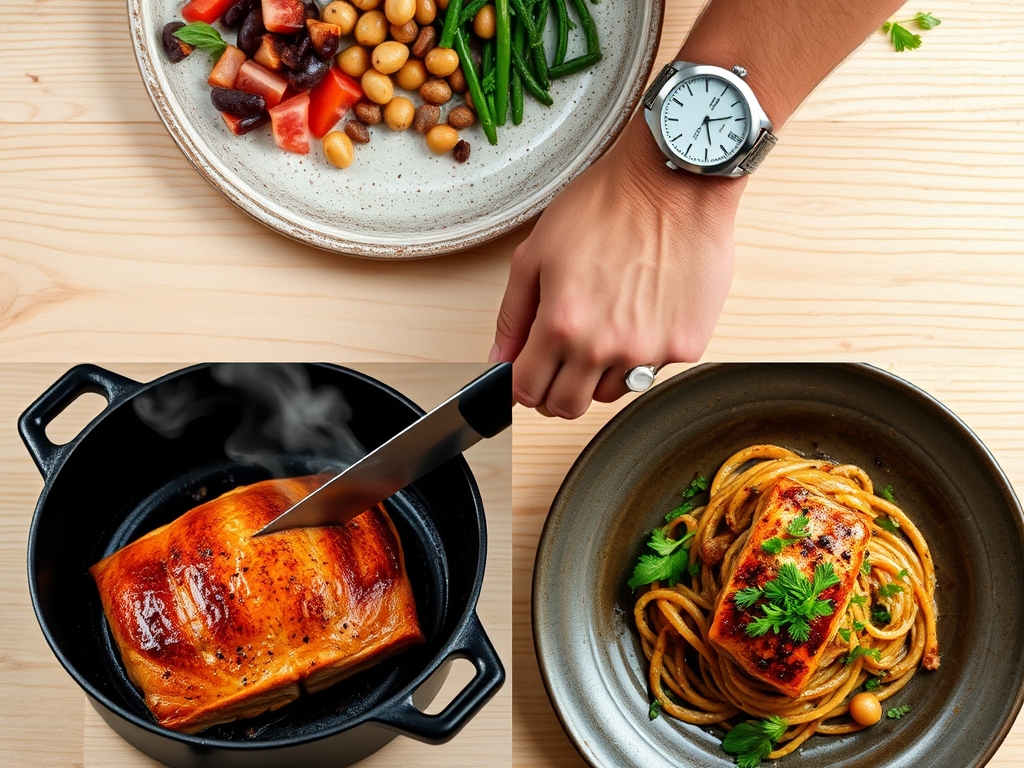
1. The Dry-Brine Technique
Generously season the flesh side with kosher salt 15 minutes before cooking. This draws out moisture, which is then reabsorbed as a concentrated brine, seasoning the fish deeply.
Pro Tip: This process involves denaturing proteins, which helps the fish retain more moisture during the high-heat cooking process.
2. The Cold-Pan Start
Place the salmon skin-side down in a cold heavy-bottomed skillet before turning on the heat. This allows the fat to render slowly, resulting in an ultra-crispy skin without overcooking the delicate flesh.
Pro Tip: Slow rendering prevents the skin from shrinking too quickly, which often causes the fillet to curl and cook unevenly.
3. The Citrus Infusion
Once the fish is flipped, add lemon slices and a splash of water to the pan and cover briefly. This creates a localized steam environment that finishes the interior gently.
Pro Tip: This uses conductive heat to finish the thickest part of the fillet without toughening the outer layers.
4. The Herb-Oil Emulsion
Whisk finely chopped herbs into olive oil and a teaspoon of Dijon mustard. Drizzle this over the warm fish to create a viscous glaze that clings to the surface.
Pro Tip: The mustard acts as an emulsifier, binding the oil and vinegar (or citrus) into a smooth, stable sauce that won't break on the plate.
5. The Parchment Steam (En Papillote)
Wrap the fillet in parchment paper with thinly sliced fennel and radishes. Bake at 400 degrees Fahrenheit. The fish cooks in its own juices, keeping it incredibly light.
Pro Tip: This method relies on convection within the parchment pouch, trapping volatile aromatics that would otherwise escape into the kitchen air.
6. The Glaze Deglaze
After searing, remove the fish and add a tablespoon of honey and balsamic vinegar to the pan. Use a saucier or whisk to scrape up the browned bits (fond).
Pro Tip: Deglazing captures the caramelized proteins stuck to the pan, incorporating them back into a concentrated, flavorful reduction.
7. The Microplane Zest Finish
Always add fresh zest at the very last second. The heat of the fish will aerate the citrus oils, sending a bright scent to the diner immediately.
Pro Tip: Essential oils are highly volatile; adding them too early in the cooking process destroys their delicate molecular structure.
8. The Carryover Control
Remove the salmon from the heat when the internal temperature hits 125 degrees Fahrenheit. It will climb to a perfect 130-135 degrees as it rests.
Pro Tip: This is known as thermal carryover; the residual heat continues to cook the center even after the external heat source is removed.
The Deep Dive:
Macro Nutrition: Salmon is a powerhouse of Omega-3 fatty acids, specifically EPA and DHA, which support brain health. A standard 6-ounce portion provides roughly 34 grams of high-quality protein and 0 grams of carbohydrates, making it a staple for metabolic health.
Dietary Swaps:
- Vegan: Swap salmon for "watermelon steaks" or firm tofu pressed and seared with seaweed flakes to mimic the oceanic salinity.
- Keto: Focus on the skin-on sear and use a compound butter made with grass-fed fats and chives.
- Gluten-Free: Salmon is naturally GF; just ensure your "glaze" components like soy sauce are swapped for tamari.
The Fix-It:
- White Stuff Appearing: This is albumin, a protein that pushes out when fish is cooked too fast. Fix: Lower the heat and use the cold-pan start.
- Skin Sticking: The pan wasn't hot enough or the skin was too wet. Fix: Use a bench scraper to gently lift and ensure you pat the skin dry next time.
- Bland Flavor: You seasoned only the surface. Fix: Use the dry-brine method to ensure the salt penetrates the entire fillet.
Meal Prep: To reheat without the "fishy" smell, avoid the microwave. Use a toaster oven at 275 degrees with a splash of water covered in foil. This gentle re-introduction of heat prevents the fats from oxidizing and becoming pungent.
The Wrap-Up:
Mastering light salmon recipes is your ticket to feeling like a gourmet chef on a Tuesday night. By focusing on the science of the sear and the brightness of fresh infusions, you transform a simple protein into a culinary masterpiece. Remember to trust your tools, keep your pan dry, and always let the fish rest. You have the techniques; now go turn that kitchen into a sanctuary of flavor!
The Kitchen Table:
How do I get the skin extra crispy?
The secret is moisture removal. Pat the skin with a paper towel until it feels like parchment, then use a heavy-bottomed skillet to ensure even heat distribution during the rendering process.
Why does my salmon always turn out dry?
You are likely ignoring thermal carryover. Pull the fish off the heat 5 degrees before your target temperature. The internal energy will finish the job while the fish rests.
What is the best oil for searing salmon?
Use avocado oil or grapeseed oil. These have high smoke points, meaning they won't break down or create bitter flavors when you are trying to achieve that perfect crust.
Can I use frozen salmon for these hacks?
Yes, but thaw it slowly in the refrigerator for 24 hours. Once thawed, treat it exactly like fresh fish, ensuring you remove all excess moisture before it hits the pan.