
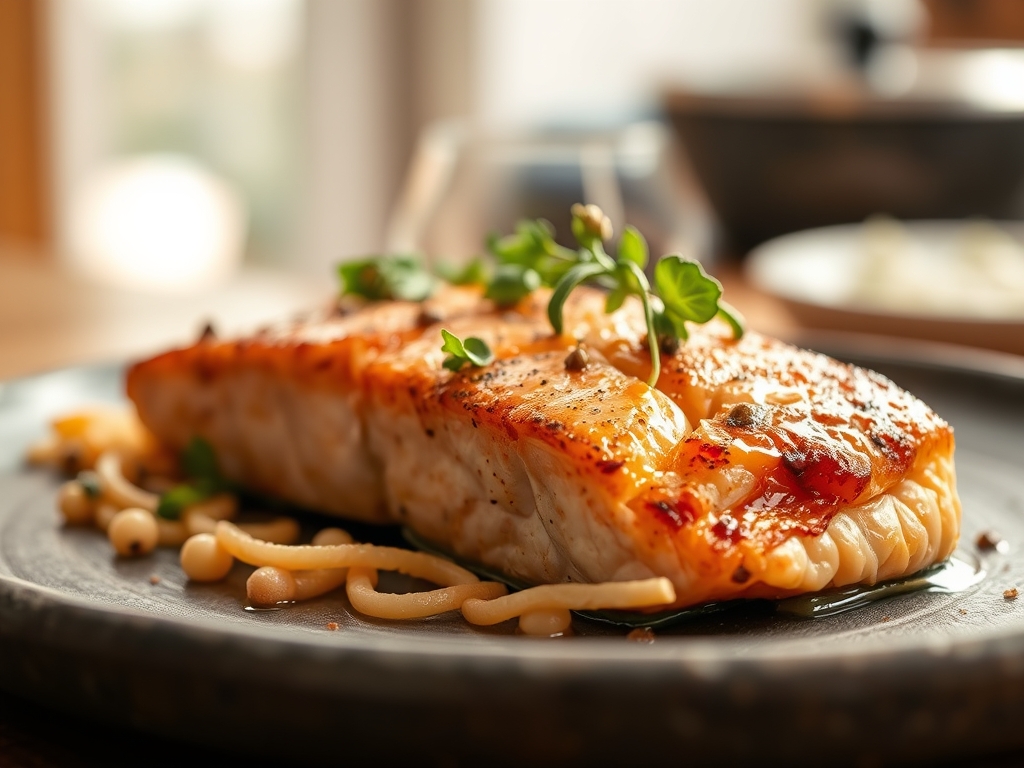
Close your eyes and listen for the low, rhythmic hum of the convection fan. That is the sound of liquid gold in the making. When you are hunting for the best traeger salmon recipes, you are not just looking for a meal; you are looking for that perfect, glass-like glaze and a flake so tender it practically sighs under your fork. We are moving beyond basic grilling into the realm of true wood-fired alchemy.
There is a specific magic that happens when cold-water fats meet the swirling blue smoke of hickory or cherry wood. It is a delicate dance of temperature control and moisture retention. If you have ever suffered through a piece of dry, chalky fish that resembles a pink eraser, consider this your formal invitation to the inner circle of pitmaster excellence. We are going to harness the power of thermal physics to ensure every bite is buttery, smoky, and deeply sophisticated. Grab your favorite apron and a glass of something crisp; we are about to turn your backyard into the most exclusive bistro in town.
The Gathers:
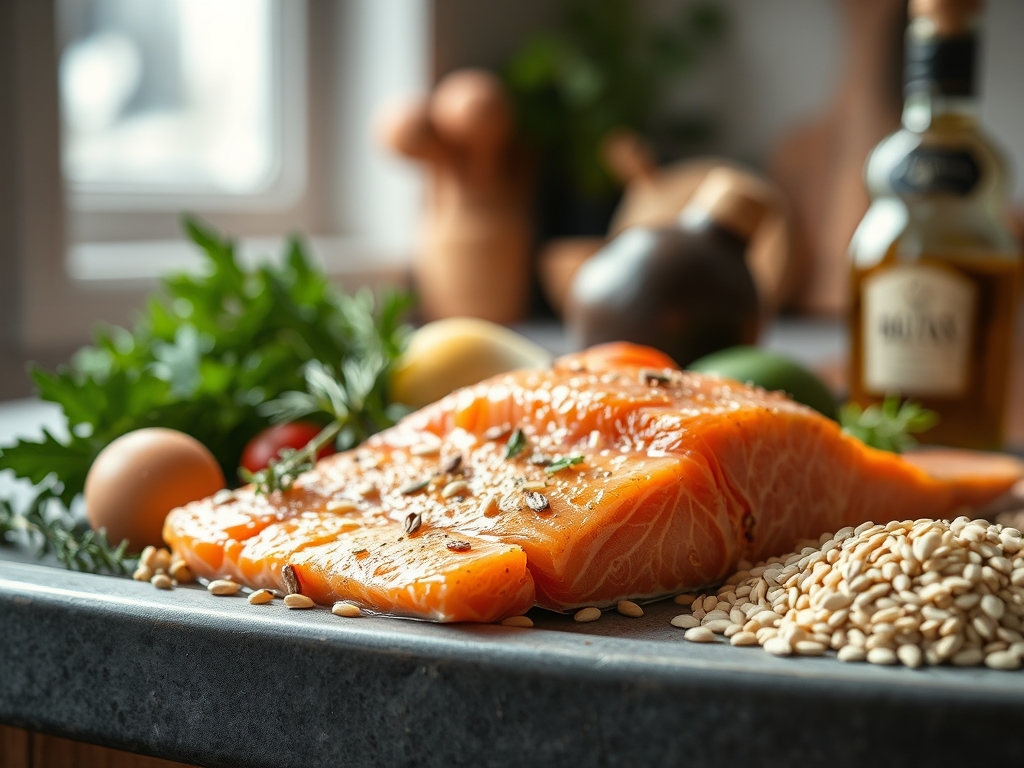
To achieve a five-star result, your mise-en-place must be impeccable. Start with a side of Atlantic or King salmon, ideally skin-on to act as a thermal barrier. You will need high-quality fats to emulsify your glaze; think grass-fed butter or a viscous avocado oil. For the aromatics, gather fresh dill, garlic cloves, and a bright lemon. You will want a coarse sea salt to encourage osmosis, drawing out just enough moisture to firm up the proteins.
Smart Substitutions: If you are out of honey for the glaze, a dark maple syrup offers a more complex, earthy sweetness that pairs beautifully with wood smoke. If you lack fresh dill, fennel fronds provide a similar anise-like lift. For those avoiding soy, coconut aminos offer that same piquant umami depth without the gluten or soy allergens. Use a microplane to zest your citrus; this ensures you capture the volatile oils in the flavedo without hitting the bitter white pith.
The Clock
Efficiency is the hallmark of a seasoned chef. Your total active prep time is a brisk 15 minutes, while the "Chef's Flow" dictates a 30-minute brine period to allow the salt to penetrate the muscle fibers. The actual cook time ranges from 45 to 60 minutes depending on the thickness of the fillet and your desired level of smoke infusion.
The flow is simple: while the Traeger preheats and aerates the cooking chamber, you prepare the glaze in a small saucier. By the time the grill reaches a steady 225 degrees Fahrenheit, your fish has finished its salt-cure and is ready for the smoke. This overlapping timeline ensures that the fish never sits at room temperature for longer than safety protocols allow, maintaining the integrity of the delicate fats.
The Masterclass
1. The Dry Brine Ritual
Lay your salmon on a clean parchment sheet and use a bench scraper to ensure the surface is perfectly level. Generously coat the flesh with a mixture of salt and brown sugar. Let it sit for 30 minutes in the refrigerator. This process creates a "pellicle," a tacky surface layer that allows smoke to adhere more effectively to the protein.
Pro Tip: This is the science of hygroscopy. The salt draws moisture out, dissolves, and then is reabsorbed into the cells, seasoning the fish deeply while altering the protein structure to prevent the "white stuff" (albumin) from leaking out during the cook.
2. The Saucier Simmer
While the brine works, combine honey, dijon mustard, and minced garlic in a small saucier over low heat. Whisk until the mixture is glossy and slightly reduced. You want the glaze to be thick enough to coat the back of a spoon, ensuring it stays on the fish rather than dripping into the fire pot.
Pro Tip: Heating the glaze triggers a mild Maillard reaction before the fish even hits the heat. This pre-caramelization adds layers of flavor that a cold glaze simply cannot match.
3. The Low and Slow Infusion
Set your Traeger to "Super Smoke" if available, or a steady 225 degrees. Place the salmon directly on the grates, skin-side down. Close the lid and resist the urge to peek. Constant temperature is the key to a uniform flake.
Pro Tip: Maintaining a low temperature prevents the muscle fibers from contracting too quickly. Slow heating allows the connective tissues to render gently, resulting in a texture that is silky rather than chewy.
4. The Glaze Application
When the internal temperature hits 110 degrees, use a silicone brush to apply your prepared glaze. This is the "tacking" phase. The sugars will begin to tighten and bubble slightly in the convection heat, creating a shimmering veneer.
Pro Tip: This is known as viscous adhesion. The heat of the fish helps the glaze "set" into the pores of the meat, creating a barrier that locks in the remaining internal juices.
5. The Thermal Finish
Continue cooking until the internal temperature reaches exactly 135 degrees. Use a high-quality digital thermometer to check the thickest part of the fillet. Remove the fish using extra-wide tongs or a long offset spatula to prevent breaking the delicate skin.
Pro Tip: This accounts for thermal carryover. The internal temperature will rise another 5 to 7 degrees while resting, bringing the final result to a perfect, safe, and juicy 142 degrees.
The Deep Dive
Macro Nutrition: Salmon is a nutritional powerhouse, rich in Omega-3 fatty acids which are essential for brain health. A standard 6-ounce serving provides roughly 34 grams of high-quality protein and zero carbohydrates, making it a staple for metabolic health.
Dietary Swaps: For a Keto-friendly version, swap the honey for an allulose-based sweetener. For a Vegan "salmon" alternative, this same smoking technique works wonders on thick slabs of watermelon or marinated tofu, though cook times will decrease significantly.
The Fix-It:
- White Albumin Leaking: This happens if the heat is too high. Fix: Lower the Traeger temperature and ensure you did not skip the dry brine step.
- Skin Sticking: This occurs when the grates are dirty or cold. Fix: Always scrub grates with a wire brush and lightly oil them before placing the fish.
- Uneven Cooking: If one end is thinner, it will overcook. Fix: Fold the thin "tail" section under itself to create a uniform thickness across the entire fillet.
Meal Prep: To reheat without losing quality, avoid the microwave. Place the salmon in a covered heavy-bottomed skillet with a tablespoon of water or broth over low heat. The steam will gently re-hydrate the proteins without "re-cooking" the fish into a rubbery state.
The Wrap-Up
Mastering the best traeger salmon recipes is about more than just following a timer; it is about understanding the synergy between smoke, salt, and heat. When you pull that shimmering, mahogany-hued fillet off the grill, you are serving a masterpiece of culinary engineering. The contrast between the crispy, smoky exterior and the buttery, melt-in-your-mouth interior is the ultimate reward for your precision. Now, gather your favorite people, crack open a bottle of Sauvignon Blanc, and enjoy the fruits of your smoky labor. You have officially earned your stripes at the grill.
The Kitchen Table
How do I prevent the white stuff on salmon?
The white substance is albumin, a protein that escapes when salmon cooks too fast. To prevent this, use a low temperature (225F) and perform a 30-minute dry brine to set the proteins before grilling.
What is the best wood pellet for salmon?
Fruitwoods like cherry or apple provide a subtle sweetness that complements the fatty fish. For a bolder, more traditional Pacific Northwest flavor, alder is the gold standard, offering a clean and delicate smoke profile.
Can I cook frozen salmon on a Traeger?
It is not recommended. For the best texture and smoke penetration, thaw the salmon completely in the refrigerator. Cooking from frozen leads to uneven textures and prevents the smoke from properly infusing the muscle fibers.
How long does smoked salmon last in the fridge?
When stored in an airtight container, your Traeger-style salmon will stay fresh and delicious for up to three days. For the best quality, reheat it gently using steam to maintain its characteristic moisture and flake.