
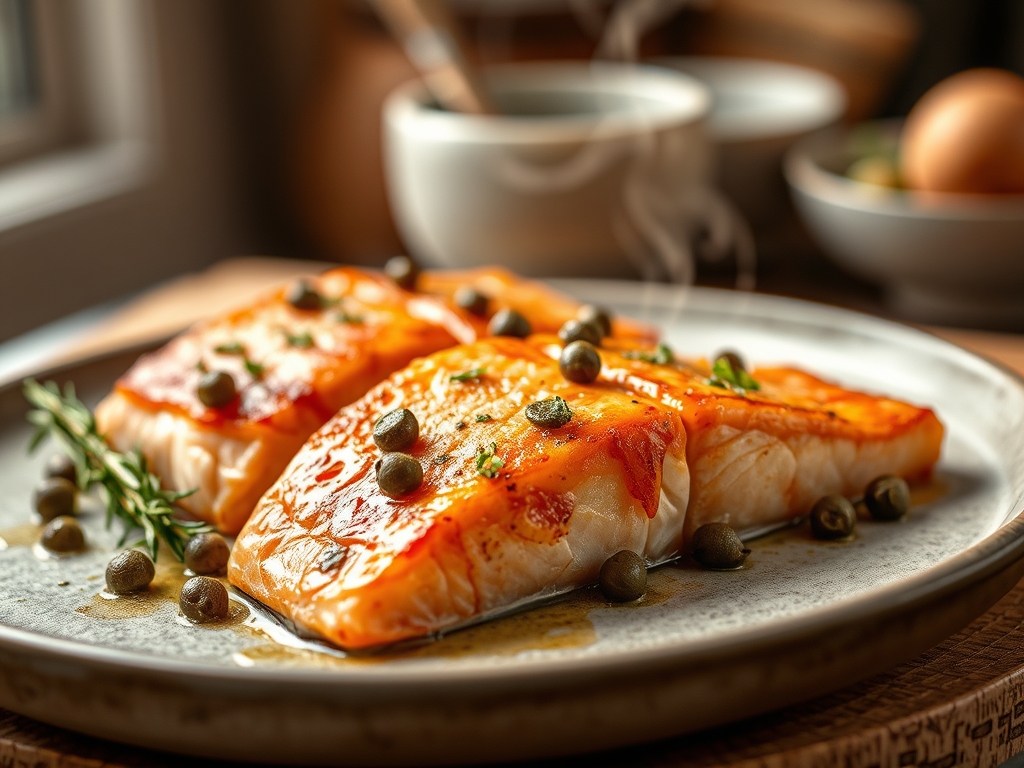
Imagine the sharp hiss of a cold fillet hitting a preheated tray; the sound is a precursor to the most decadent weeknight luxury you can imagine. We are diving into the world of baked salmon recipes with capers; a dish that balances the fatty, buttery richness of Atlantic salmon with the aggressive, vinegary punch of Mediterranean flower buds. This is not just a meal; it is a masterclass in acid-fat ratios. When you pull that tray from the oven, the kitchen fills with the scent of toasted butter and citrus zest, signaling a dinner that feels like a high-end bistro but requires less effort than a load of laundry. We are aiming for a texture that flakes at the mere suggestion of a fork, held together by a piquant sauce that cuts through the protein like a sharp blade.
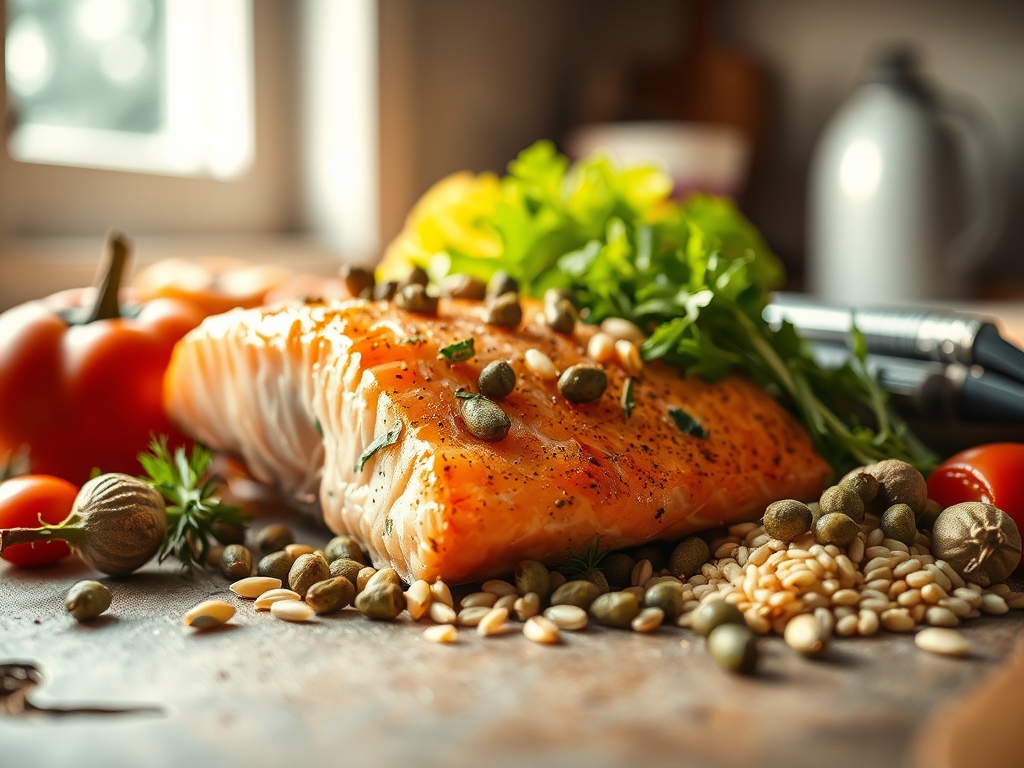
The Gathers:
To achieve culinary excellence, your mise-en-place must be precise. Start with a center-cut salmon side, preferably skin-on to act as a thermal insulator. You will need non-pareil capers; these are the smallest variety, prized for their firm texture and concentrated flavor. For the fat, use high-quality European-style butter with a high butterfat content, which provides a more viscous mouthfeel than standard supermarket sticks.
Gather your tools: a microplane for the lemon zest, a heavy-bottomed baking sheet, and a digital scale to ensure your portions are uniform. You will also need fresh dill and flat-leaf parsley. The herbs provide a chlorophyll-rich brightness that offsets the heavy lipids in the fish.
Smart Substitutions: If you are out of capers, finely diced green olives or pickled nasturtium seeds offer a similar briny profile. For the citrus, a Meyer lemon provides a sweeter, more floral acidity than the standard Eureka variety. If you prefer a dairy-free approach, swap the butter for a high-quality extra virgin olive oil, though you will lose the nutty Maillard notes of browned milk solids.
The Clock
Efficiency in the kitchen is about the Chef's Flow. This entire process takes exactly 25 minutes from fridge to table. Prep time is a brisk 10 minutes; this involves drying the fish, mincing the aromatics, and preparing the herb compound. The cook time is a precise 12 to 15 minutes, depending on the thickness of your fillet.
The flow is simple: while the oven preheats to 400 degrees Fahrenheit, you prepare the salmon. By the time the oven chime sounds, your fish should be seasoned and ready. Use the 12-minute baking window to tidy your station with a bench scraper and set the table. This ensures that when the fish emerges, you are ready to eat immediately, preventing the delicate proteins from overcooking on a hot counter.
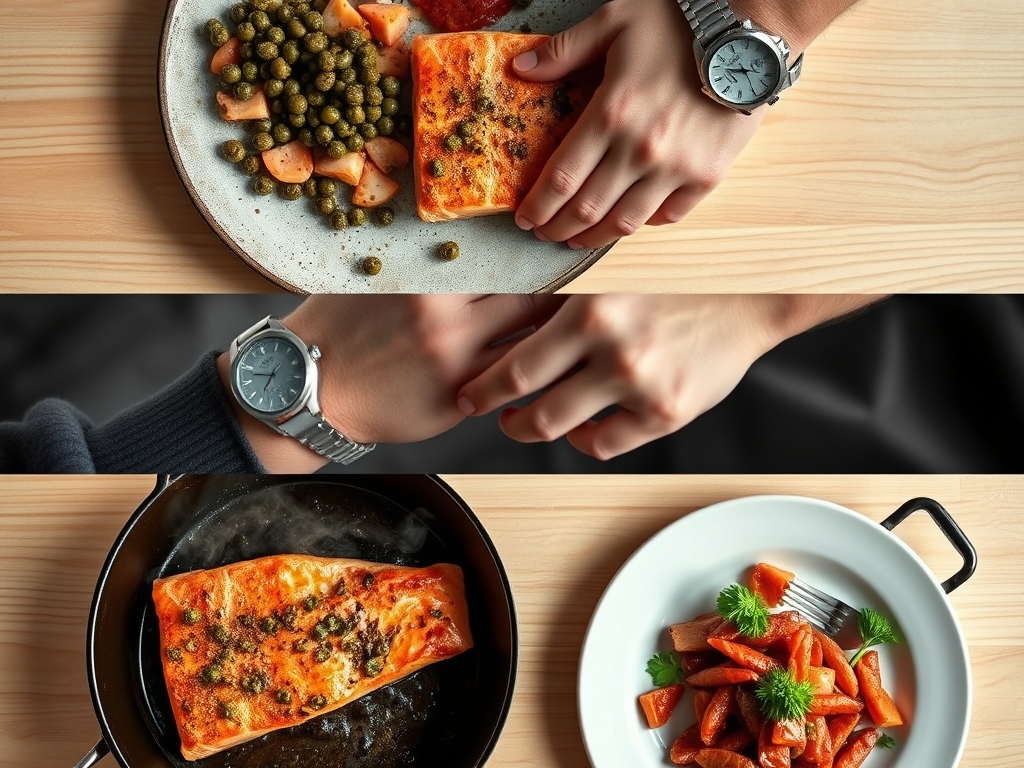
The Masterclass
1. Tempering and Desiccation
Remove the salmon from the refrigerator 15 minutes before cooking. Use a paper towel to pat the surface bone-dry. Moisture is the enemy of texture; if the surface is wet, the fish will steam rather than roast.
Pro Tip: This is known as surface desiccation. By removing moisture, you allow the heat to immediately begin the Maillard reaction on the surface rather than wasting energy evaporating water.
2. The Aromatics Infusion
In a small saucier, melt your butter over low heat. Add the rinsed capers, minced garlic, and lemon zest. You are not looking to brown the garlic yet; you want to infuse the fat with the essential oils from the aromatics.
Pro Tip: Fat is a flavor carrier. By heating the capers in butter, you are dissolving their fat-soluble flavor compounds, ensuring every bite of the salmon is seasoned from the inside out.
3. The Precision Roast
Place the salmon on your baking sheet. Pour the infused butter over the top, ensuring the capers are distributed evenly. Slide the tray into the center rack of the oven.
Pro Tip: Use an instant-read thermometer to pull the fish at 125 degrees Fahrenheit. Thermal carryover will continue to cook the fish once it is out of the oven, bringing it to a perfect, translucent 130 degrees.
4. The Herb Finish
Once the salmon is out, immediately shower it with fresh herbs. The residual heat will aerate the oils in the dill and parsley without wilting them into a brown mush.
Pro Tip: This technique utilizes volatile organic compounds. Adding herbs at the end preserves their delicate molecular structure, providing a fresh aromatic punch that would be lost in the high heat of the oven.
The Deep Dive
From a nutritional standpoint, this dish is a powerhouse. Salmon is famous for its Omega-3 fatty acids, specifically EPA and DHA, which support brain health. One serving provides roughly 35 grams of high-quality protein and zero carbohydrates, making it a staple for those following a ketogenic lifestyle.
Dietary Swaps: For a vegan version, use thick "steaks" of cauliflower or roasted cabbage, following the same infusion method with vegan butter. For those avoiding gluten, this recipe is naturally safe, provided your capers are packed in a simple brine of salt and vinegar.
The Fix-It:
- White Stuff Appearing: This is albumin, a protein that squeezes out when salmon cooks too fast or too long. Fix: Lower your oven temp or pull the fish 2 minutes earlier.
- Soggy Skin: This happens if the pan isn't hot enough or the skin wasn't dried. Fix: Start the salmon skin-side down in a heavy-bottomed skillet for 2 minutes before moving to the oven.
- Overpowering Salt: Capers are salt bombs. Fix: Always rinse your capers under cold water and pat them dry before adding them to the butter.
Meal Prep: To reheat without turning your salmon into rubber, avoid the microwave. Instead, place the leftover fillet in a shallow dish with a splash of water, cover with foil, and warm in a 300-degree oven for 8 minutes. This creates a mini-steam chamber that restores the viscous texture of the fats.
The Wrap-Up
Mastering baked salmon recipes with capers is like learning a secret handshake in the culinary world. It is the perfect intersection of technical chemistry and pure, unadulterated flavor. You have learned how to manage thermal carryover, how to leverage fat as a flavor solvent, and how to treat delicate proteins with the respect they deserve. Now, grab your tongs, head to the kitchen, and turn a simple piece of fish into a masterpiece. You have the tools, the science, and the flair to make this the best meal of your week!
The Kitchen Table
How do I know when the salmon is perfectly done?
The salmon is done when it reaches an internal temperature of 125 to 130 degrees Fahrenheit. The flesh should be opaque on the outside but still slightly translucent in the very center, flaking easily with a fork.
Should I leave the skin on during baking?
Yes, always leave the skin on. It acts as a protective thermal barrier, preventing the delicate flesh from drying out against the hot pan. You can easily slide a spatula between the meat and skin before serving.
Why are my capers so incredibly salty?
Capers are preserved in heavy brine or salt. To control the sodium levels in your dish, always rinse them thoroughly in a fine-mesh strainer and pat them dry before incorporating them into your infused butter sauce.
Can I use frozen salmon for this recipe?
You can, but ensure it is completely thawed in the refrigerator first. Pat it exceptionally dry with paper towels, as frozen fish tends to release more moisture, which can interfere with the roasting process and texture.