
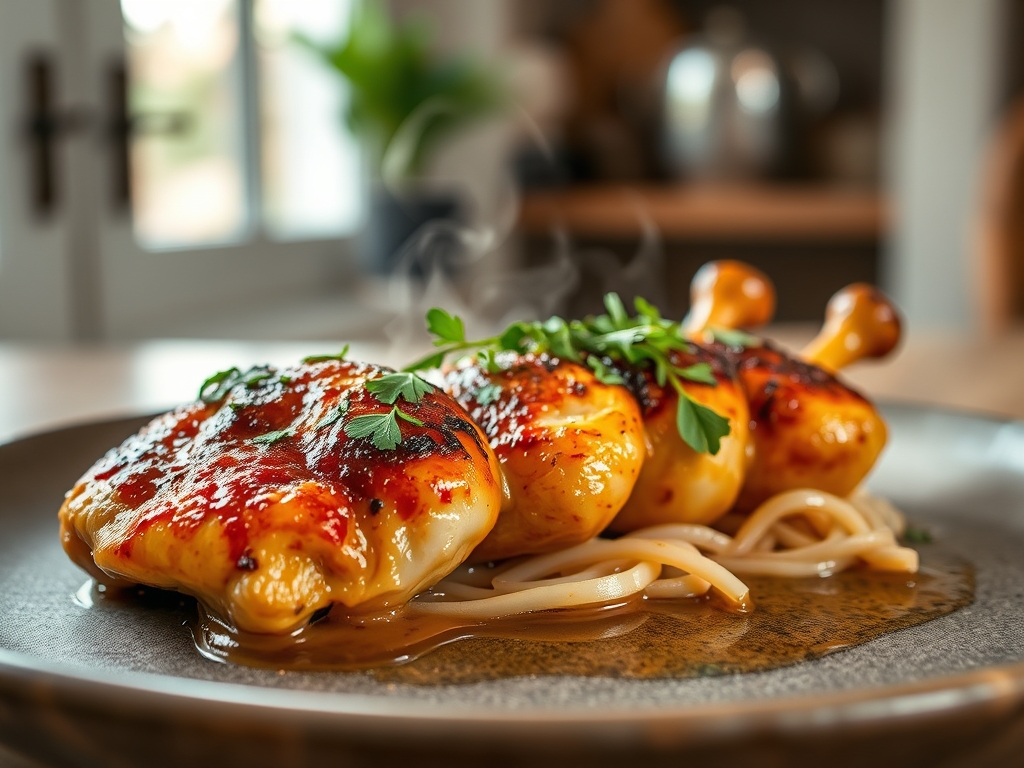
Imagine the sound of cold, damp skin hitting a heavy-bottomed skillet. That initial hiss is the sound of moisture evaporating, clearing the way for the glorious Maillard reaction to transform protein into gold. If your weeknight rotation feels like a repetitive loop of bland breasts and soggy thighs, you need unique chicken recipes that leverage molecular chemistry to spark joy. We are moving past basic seasoning into a world of complex infusions and textural contrasts.
The secret to a transformative dinner lies in understanding how heat interacts with connective tissue. Whether you are aiming for a shatteringly crisp skin or a succulent, slow-braised finish, the physics remains the same. We are going to explore eight distinct methods to elevate the humble bird, turning a standard protein into a masterpiece of culinary architecture. From the piquant bite of fermented chilies to the viscous luxury of a reduced pan sauce, these techniques will redefine your kitchen repertoire. Grab your favorite apron; we are about to turn your kitchen into a high-end bistro.
The Gathers:
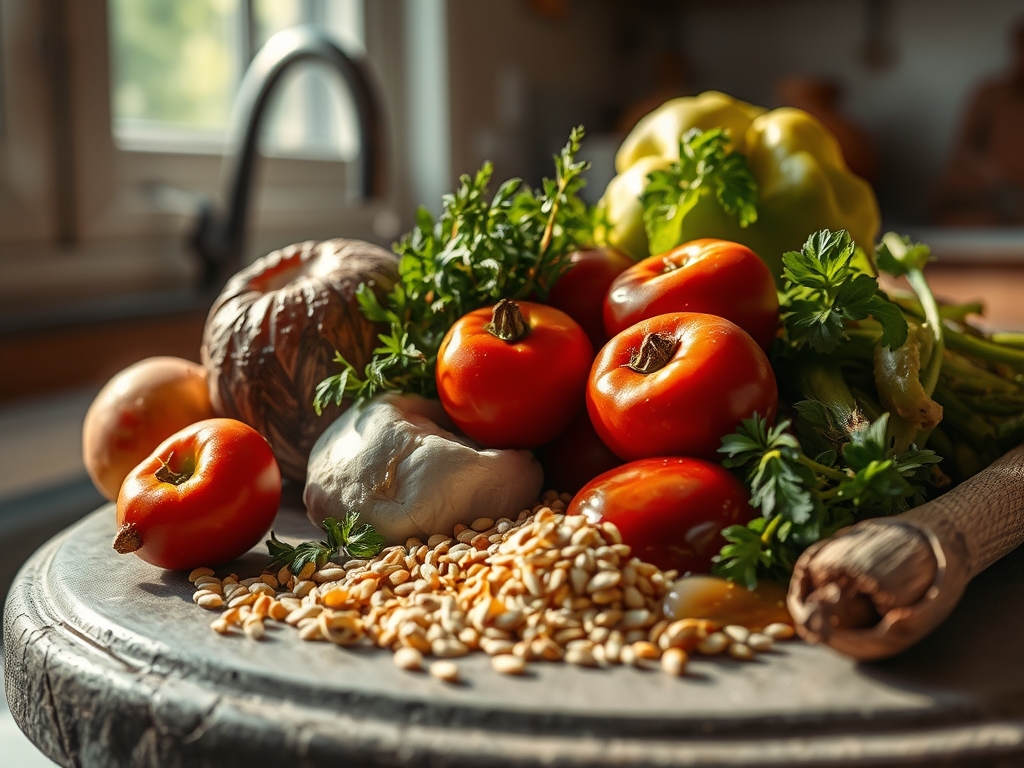
Before you even think about igniting the burner, your mise-en-place must be flawless. Professional cooking is 90 percent preparation and 10 percent execution. Start with high-quality poultry; look for air-chilled birds which lack the excess water weight of traditional water-chilled options. This ensures your sear is crisp rather than steamed. You will need a digital scale for precision, as measuring dry rubs by weight prevents the over-salting that ruins delicate flavors.
Your aromatics are the foundation. Gather fresh ginger, garlic, and shallots. Use a microplane to grate these into a fine paste; this increases the surface area and allows the volatile oils to infuse the fat more efficiently. For your fats, keep both a high-smoke point oil (like grapeseed) and high-quality unsalted butter on hand. The oil handles the initial sear, while the butter provides the toasted, nutty finish during the final basting stage.
Smart Substitutions:
If you lack fresh lemongrass for a Southeast Asian profile, use lemon zest mixed with a pinch of ginger to mimic that citrus-herbaceous bridge. If you are out of heavy cream for a pan sauce, a dollop of full-fat Greek yogurt added off-the-heat provides a similar viscous mouthfeel with an added lactic tang. For those avoiding soy, coconut aminos offer a comparable umami depth without the high sodium or gluten content.
The Clock
Efficiency in the kitchen is about "Chef's Flow." This is the art of overlapping tasks so that no second is wasted. Total active prep time for these unique chicken recipes averages 25 minutes, while cook times vary from a 12-minute high-heat sear to a 45-minute gentle braise.
The flow begins with the "Dry Brine." Salt your chicken at least 30 minutes before cooking. This allows the salt to penetrate the muscle fibers via osmosis, denaturing the proteins so they retain more moisture during the cook. While the salt works its magic, perform all knife work. Use a bench scraper to move your chopped aromatics into neat piles. By the time your pan is preheated, your station is clear, your chicken is seasoned, and you are ready for the heat.
The Masterclass
1. The High-Heat Sear and Render
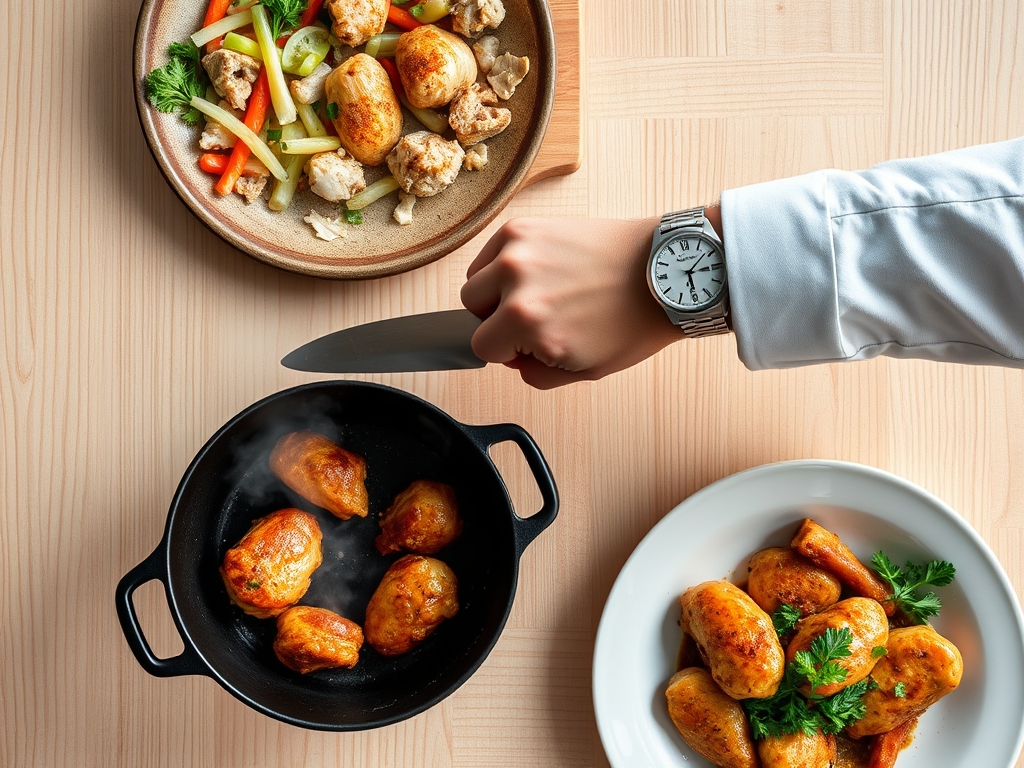
Place your chicken skin-side down in a cold heavy-bottomed skillet before turning the heat to medium-high. This allows the subcutaneous fat to render slowly, resulting in a thinner, crispier skin. Use tongs to press the meat down, ensuring total contact with the metal surface.
Pro Tip: This technique avoids "thermal shock." By starting cold, the fat liquefies before the skin burns, leading to a more even, glass-like texture.
2. Deglazing for Depth
Once the chicken is removed, you will see brown bits stuck to the pan. This is "fond," the concentrated essence of flavor. Pour in a splash of dry white wine or fortified stock and use a wooden spoon to scrape the bottom.
Pro Tip: Deglazing is a chemical process where the liquid dissolves the caramelized proteins. This creates a complex base for any sauce, ensuring no flavor is left behind in the sink.
3. The Butter Baste (Arrosé)
In the final three minutes of cooking, drop a knob of butter, crushed garlic, and thyme into the pan. Tilt the skillet and use a large spoon to continuously pour the foaming butter over the chicken.
Pro Tip: This is called arrosé. The hot fat acts as a heat transfer medium, cooking the top of the meat while the milk solids in the butter undergo further browning, adding a toasted aroma.
4. Emulsifying the Pan Sauce
Remove the pan from the heat and whisk in cold cubes of butter or a splash of cream. Use a saucier if available, as its rounded bottom prevents sauce from breaking in the corners.
Pro Tip: Cold butter creates a stable emulsification. The fat molecules are suspended in the liquid, creating a glossy, thick coating that clings to the meat rather than running off the plate.
5. The Rest and Carryover
Place your chicken on a wire rack for at least five minutes before slicing. Never rest it on a flat plate, as the steam will soften the bottom skin.
Pro Tip: Thermal carryover means the internal temperature will rise by 5 to 10 degrees after removal from the heat. Pulling the bird at 160 degrees Fahrenheit ensures it reaches the safe 165 mark without becoming fibrous.
6. Acid Brightening
Just before serving, finish the dish with a squeeze of fresh lemon or a dash of sherry vinegar.
Pro Tip: Acid cuts through the richness of the fats. It acts as a flavor "highlighter," making the savory notes pop by balancing the pH of the dish on your palate.
7. Aerating the Garnish
Finely chiffonade your herbs right before serving. Use a very sharp knife to avoid bruising the cells, which causes oxidation and bitterness.
Pro Tip: Freshly cut herbs release essential oils that provide an immediate olfactory hit. This "top note" is the first thing a diner perceives, setting the stage for the meal.
8. Final Texture Check
Add a sprinkle of flaky sea salt or toasted nuts for a final crunch. Contrast is the hallmark of professional unique chicken recipes.
Pro Tip: The human brain finds "textural contrast" highly palatable. Combining a soft braise with a crunchy topping keeps the palate engaged throughout the entire meal.
The Deep Dive
From a nutritional standpoint, chicken is a lean protein powerhouse. A 6-ounce serving provides roughly 50 grams of protein with minimal saturated fat, especially if you opt for skinless cuts. To keep these recipes Keto-friendly, swap any honey or sugar in glazes for erythritol or simply omit them; the Maillard reaction provides enough perceived sweetness. For a Vegan alternative, these same techniques (deglazing, emulsifying, and acid finishing) work beautifully with thick-cut cauliflower steaks or oyster mushrooms.
The Fix-It:
If your chicken is "rubbery," you likely skipped the resting phase or overcooked it past 170 degrees. Use a digital thermometer every time. If your sauce "breaks" (separates into oil and water), whisk in a teaspoon of warm water or a bit of lecithin-rich mustard to pull the emulsion back together. If the skin isn't crispy, you likely overcrowded the pan, which traps steam. Cook in batches to maintain high surface temperature.
Meal Prep Science:
When reheating, avoid the microwave, which vibrates water molecules and turns chicken into rubber. Instead, use a low oven (300 degrees) with a splash of water covered in foil. This creates a gentle steam environment that rehydrates the protein fibers without over-tightening them.
The Wrap-Up
Mastering unique chicken recipes is less about following a script and more about understanding the "why" behind the heat. Once you grasp the mechanics of rendering fat and the beauty of a stable emulsion, every dinner becomes an opportunity for experimentation. Don't be afraid to push your sear a little darker or your sauce a little more piquant. Your kitchen is a laboratory, and you are the lead scientist. Now, go forth and turn that grocery-store bird into something legendary.
The Kitchen Table
How do I get the skin extra crispy?
Pat the chicken extremely dry with paper towels. Salt the skin and let it sit uncovered in the fridge for two hours. This dehydrates the surface, allowing the fat to render quickly and the skin to crisp without steaming.
Can I use frozen chicken for these recipes?
Yes, but thaw it completely in the refrigerator first. Frozen chicken contains ice crystals that rupture cell walls; if cooked from frozen, the moisture loss is significant, resulting in a dry, "woody" texture that ruins the dish.
What is the best pan for searing chicken?
A cast iron or stainless steel skillet is best. These materials have high heat retention and distribution. Non-stick pans cannot reach the temperatures required for a proper Maillard reaction and often result in a pale, unappetizing finish.
Why does my pan sauce always turn out thin?
You likely haven't reduced the liquid enough. Simmer the sauce until it coats the back of a spoon. Finishing with cold butter off-the-heat adds "body" through emulsification, which thickens the sauce without needing flour or cornstarch.
Is it safe to eat chicken that is slightly pink?
Color is not a reliable indicator of safety. Some bone-in chicken stays pink due to pigment release. Always use a digital thermometer to ensure the thickest part of the meat has reached an internal temperature of 165 degrees Fahrenheit.