
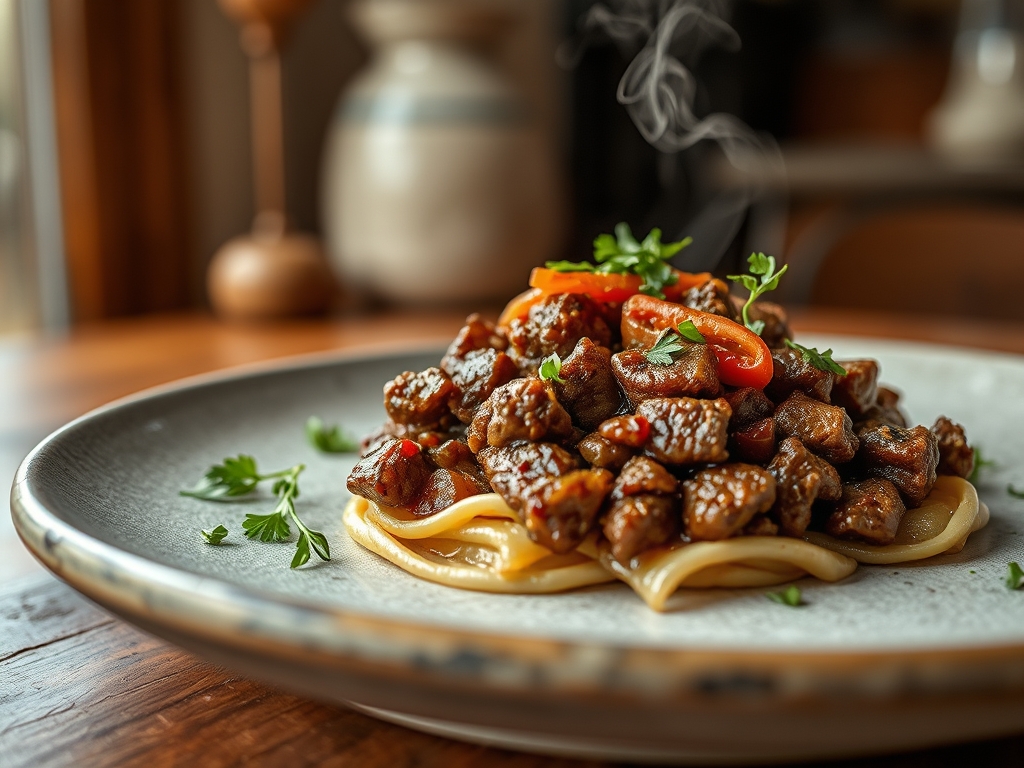
The scent of sizzling fat hitting a preheated heavy-bottomed skillet is the universal siren song of a home cook who knows exactly what she is doing. When you are staring at a cold pound of protein at 6:00 PM, these weeknight ground beef recipes are your absolute secret weapon for turning exhaustion into a culinary victory lap.
Ground beef is the ultimate canvas for flavor because of its high surface-area-to-volume ratio. This allows for maximum Maillard reaction coverage; that glorious chemical dance where amino acids and reducing sugars transform into hundreds of complex flavor compounds. We are not just making dinner; we are engineering a sensory experience that balances salt, fat, acid, and heat in under thirty minutes. Whether you are craving a piquant Korean beef bowl or a viscous, velvet-smooth Stroganoff, the foundation remains the same. It is about technique, timing, and a little bit of kitchen chemistry.
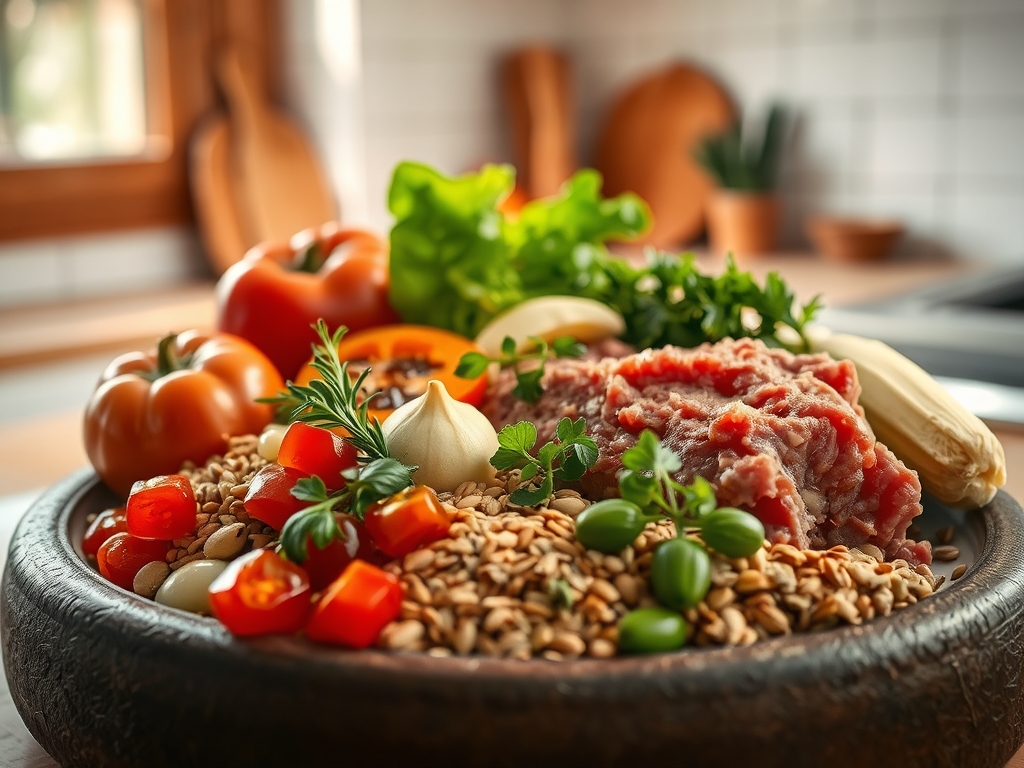
The Gathers:
To execute these weeknight ground beef recipes with precision, your mise-en-place must be impeccable. Start with high-quality ground chuck, ideally an 80/20 lean-to-fat ratio. This ratio is critical because fat is the primary carrier of flavor molecules. You will need aromatics: yellow onions for their high sugar content, garlic cloves ready for the microplane, and ginger root to provide a sharp, pungent counterpoint to the rich protein.
Your pantry should be stocked with liquid gold. Keep a high-quality soy sauce for umami, rice vinegar for brightness, and a robust beef bone broth to deglaze your pan. For texture, grab a bag of jasmine rice or wide egg noodles.
Smart Substitutions:
If you are looking to lighten the load, ground turkey or chicken can be substituted, but you must add a teaspoon of Worcestershire sauce to mimic the missing beefy depth. For a plant-based pivot, lentils or crumbled tempeh work beautifully; just ensure you increase your fat source, like avocado oil, to account for the lack of natural tallow. If you find yourself out of fresh aromatics, high-quality granulated garlic and onion powder can suffice, but use a 1:3 ratio compared to fresh to avoid a chalky finish.
The Clock:
Efficiency in the kitchen is all about the Chef's Flow. This is the art of overlapping tasks to minimize downtime. For most of these recipes, you are looking at a ten-minute prep and a twenty-minute cook time.
Start by getting your grains or pasta going first; they are the most passive part of the process. While the water comes to a boil, use a sharp chef's knife or a bench scraper to prep your vegetables. By the time your skillet is screaming hot and the beef is rendering, your starch should be halfway done. The goal is to have the protein finish exactly when the pasta reaches al dente. This ensures the residual heat of the beef helps the sauce emulsify perfectly with the noodles without overcooking the meat into a rubbery texture.
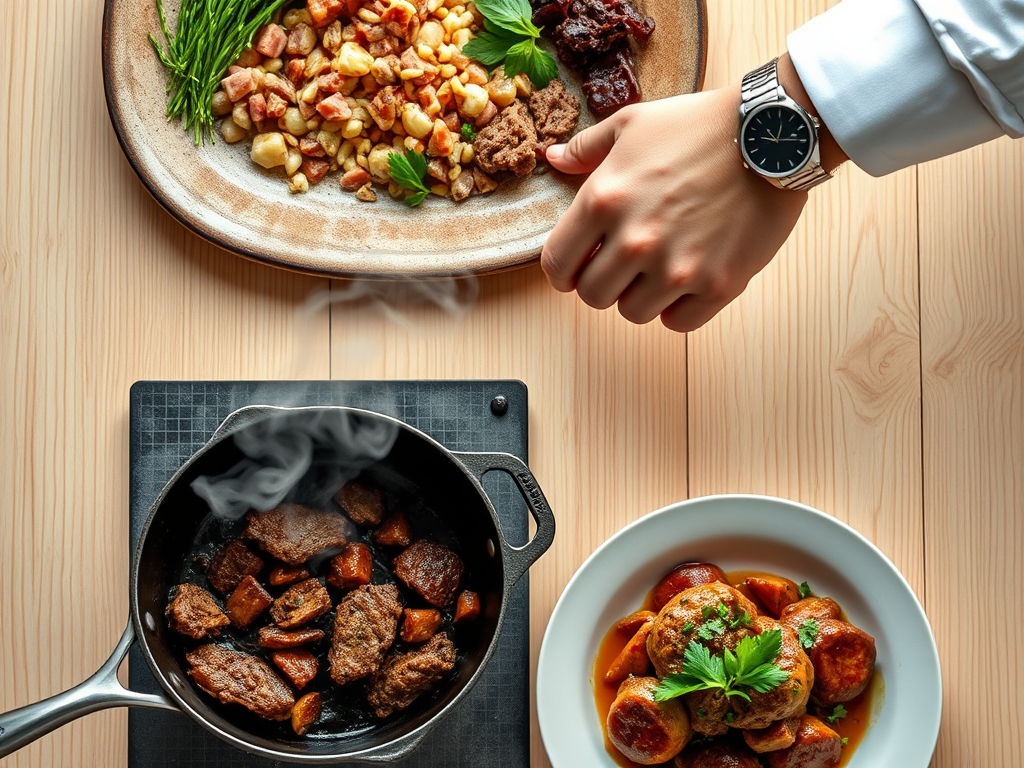
The Masterclass:
1. The Sear and Render
Place your beef in a cold skillet and then turn the heat to medium-high. This allows the fat to render out slowly as the pan heats up, preventing the meat from seizing and becoming tough. Use a stiff wooden spoon or a potato masher to break the meat into uniform small pieces.
Pro Tip: This is the "Dry Heat" phase. Avoid overcrowding the pan to prevent steaming. Steaming occurs when moisture cannot evaporate quickly enough, leading to grey, boiled-looking meat instead of a deep brown crust.
2. Deglazing for Depth
Once the meat is browned, remove it and leave about a tablespoon of fat. Toss in your aromatics. Once they are translucent, pour in a splash of liquid; wine, broth, or even water. Use your spoon to scrape up the "fond," those brown bits stuck to the bottom.
Pro Tip: This process is called deglazing. The fond contains concentrated flavor from the Maillard reaction. By dissolving it back into a liquid, you create a built-in sauce base that is chemically complex and deeply savory.
3. Emulsifying the Sauce
Add your liquids and thickeners. If you are making a creamy sauce, whisk in your dairy slowly. If it is a stir-fry, add your cornstarch slurry now. Bring the mixture to a simmer until it becomes viscous enough to coat the back of a spoon.
Pro Tip: Emulsification is the process of joining two liquids that usually do not mix, like fat and water. The starch from pasta water or a slurry acts as a stabilizer, preventing the sauce from breaking or looking greasy.
4. The Final Marriage
Fold the cooked beef and your starches back into the skillet. Toss everything together over low heat for sixty seconds. This allows the protein to "marry" with the sauce, ensuring every crevice is infused with flavor.
Pro Tip: Thermal carryover is real. Remove the pan from the heat just before you think it is done. The internal temperature will continue to rise by about five degrees, ensuring the meat stays succulent rather than dry.
The Deep Dive:
Macro Nutrition:
A standard serving of these ground beef recipes provides approximately 25 to 30 grams of high-quality protein. Beef is also a powerhouse of heme iron, which is more easily absorbed by the body than plant-based iron, and Vitamin B12, essential for energy metabolism.
Dietary Swaps:
For a Keto version, swap rice for riced cauliflower or serve the beef mixture in sturdy butter lettuce cups. For Gluten-Free needs, ensure your soy sauce is replaced with tamari or liquid aminos, and use cornstarch or arrowroot powder as your thickening agent instead of flour.
The Fix-It:
- Too Salty: Add a splash of acid, like lemon juice or vinegar. The acid distracts the taste buds and balances the sodium profile.
- Too Greasy: If the fat has separated, use a rolled-up paper towel held with tongs to blot the excess oil from the corner of the tilted pan.
- Too Thin: Create a quick slurry of one teaspoon cornstarch and one tablespoon cold water. Whisk it in and boil for thirty seconds to activate the starches.
Meal Prep Science:
To maintain "day-one" quality, store your beef and starches separately. When reheating, add a tablespoon of water or broth before microwaving. This creates steam, which rehydrates the protein fibers and prevents the starches from becoming brittle and hard.
The Wrap-Up:
Mastering these weeknight ground beef recipes is about more than just feeding yourself; it is about reclaiming your evening with efficiency and flair. When you understand the science of the sear and the power of a good deglaze, you are no longer just following a recipe; you are conducting a symphony of flavors. Grab your favorite skillet, trust your instincts, and remember that the best meals are the ones that make you feel like a genius in your own kitchen.
The Kitchen Table:
Why is my ground beef grey instead of brown?
This usually happens because the pan was not hot enough or was overcrowded. The meat steams in its own juices instead of searing. Cook in batches and ensure your skillet is preheated until the oil shimmers.
Can I freeze these ground beef meals?
Yes, ground beef dishes freeze beautifully. Ensure the food is completely cool before sealing in airtight containers. This prevents ice crystals from forming, which can destroy the texture of the meat and sauce upon thawing.
What is the best way to drain excess fat?
Carefully tilt your skillet and use a spoon to scoop the liquid fat into a ceramic bowl or an old jar. Never pour grease down the drain, as it solidifies and causes major plumbing blockages.
How do I keep the meat from getting tough?
Avoid over-handling the meat while it cooks. Break it into chunks and let it sit undisturbed for a few minutes to develop a crust. Over-stirring breaks down the muscle fibers too much, leading to a mealy texture.