
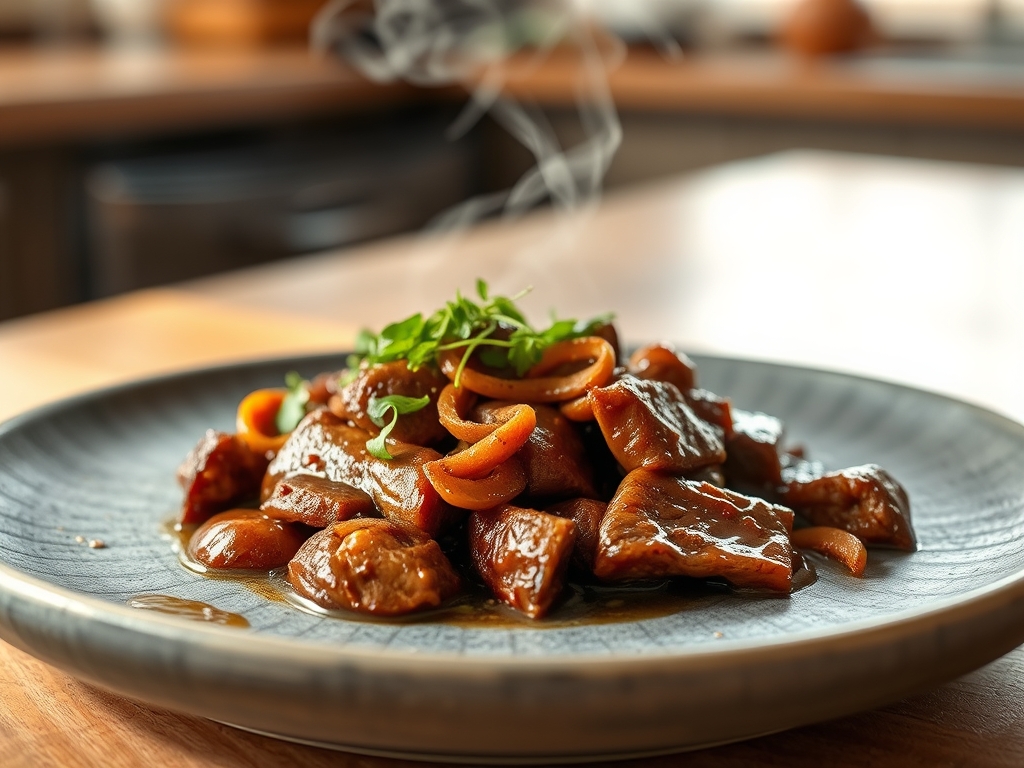
Imagine the scent of toasted sesame oil hitting a ripping hot pan; it is a fragrant, nutty cloud that signals the start of something spectacular. When you are hunting for the perfect oriental beef recipes, you are not just looking for dinner; you are looking for that specific, addictive balance of salt, sugar, and umami that defines high-end stir-fry. We have all been there, staring at a plate of gray, rubbery meat and wondering why the takeout place down the street gets it so much better. The secret is not a hidden ingredient; it is a series of chemical reactions that transform humble flank steak into velvet-textured perfection. Today, we are stripping away the mystery. We are going to master the art of the sear, the science of the marinade, and the precise timing required to keep your vegetables snapping fresh. This is about more than just following a list of instructions. It is about understanding how heat and acidity interact to create a restaurant-quality experience in your own kitchen in under twenty minutes.
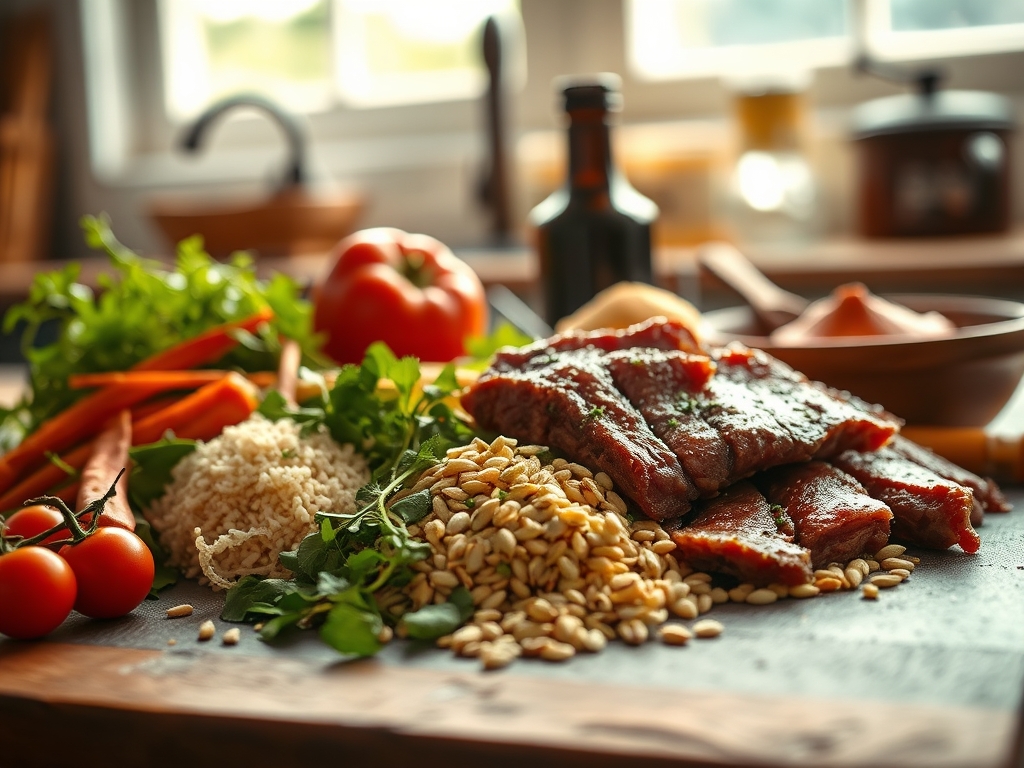
The Gathers:
To execute these oriental beef recipes with precision, your mise-en-place must be flawless. Start with your protein: 1.5 pounds of flank or skirt steak, sliced against the grain into 1/8-inch strips. The science here is simple; cutting across the muscle fibers shortens them, ensuring a tender bite rather than a chewy chore. You will need high-smoke-point fats like avocado or grapeseed oil to handle the intense thermal energy of the wok. For the aromatics, gather fresh ginger and garlic. Use a microplane to grate them into a paste; this increases the surface area, allowing the essential oils to infuse the oil almost instantly without burning.
Your sauce base requires light soy sauce for salt, dark soy sauce for that deep mahogany color, and a splash of Shaoxing wine to provide a piquant acidity that cuts through the fat. A teaspoon of toasted sesame oil added at the very end provides the volatile aromatic compounds that give the dish its signature soul.
Smart Substitutions: If you are avoiding alcohol, replace the Shaoxing wine with a mix of apple cider vinegar and a pinch of brown sugar. For a soy-free alternative, coconut aminos offer a similar viscous texture and umami profile, though you may need to add an extra pinch of sea salt to balance the inherent sweetness. If you cannot find flank steak, top sirloin is a fantastic alternative due to its lean profile and robust beefy flavor.
The Clock
The "Chef's Flow" is all about managing the transition from prep to plate. Total active time for these oriental beef recipes is roughly 25 minutes. Spend the first 15 minutes on the "cold phase": slicing the meat, whisking the sauce, and chopping vegetables. The "hot phase" moves at lightning speed, lasting only 6 to 8 minutes. Because stir-frying relies on high-heat conduction, there is no time to chop an onion once the oil starts shimmering. Your bench scraper is your best friend here, allowing you to move piles of prepped ingredients into the pan in one swift motion. Remember, the goal is to minimize the time the beef spends in the pan to prevent overcooking.
The Masterclass
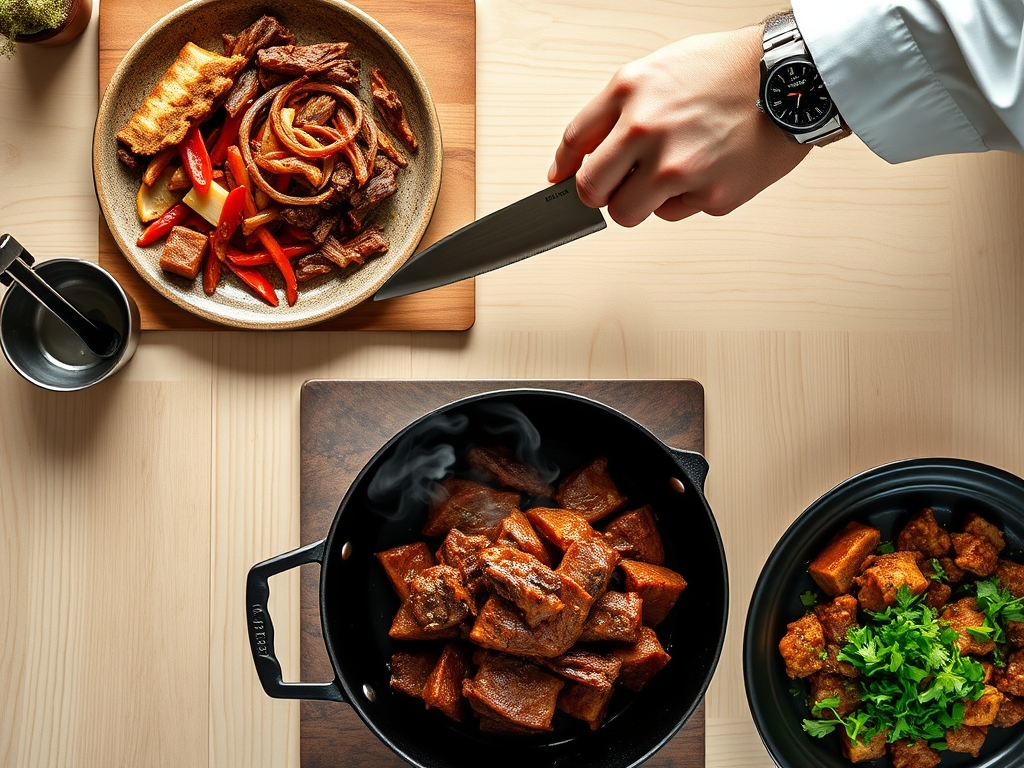
1. The Velvet Touch
Before the meat touches the pan, toss it in a mixture of cornstarch, a splash of soy sauce, and a hint of baking soda. This process, known as velveting, creates a protective barrier.
Pro Tip: The baking soda raises the pH level on the surface of the meat, which physically prevents the proteins from bonding too tightly. This ensures the beef remains incredibly tender even under high heat.
2. The Ripping Hot Sear
Heat your heavy-bottomed skillet or carbon steel wok until a drop of water flicked onto the surface dances and evaporates instantly. Add your high-heat oil and swirl to coat.
Pro Tip: This stage triggers the Maillard reaction, a chemical dance between amino acids and reducing sugars. Without high enough heat, the meat will steam in its own juices rather than developing a savory, browned crust.
3. The Aromatic Infusion
Push the seared beef to the sides of the pan and drop your grated ginger and garlic into the center. Use tongs to stir them rapidly for exactly 30 seconds.
Pro Tip: Aromatics contain volatile compounds that are fat-soluble. By frying them briefly in the oil before adding the liquid sauce, you aerate and amplify the flavor profile of the entire dish.
4. The Deglaze and Emulsify
Pour your pre-mixed sauce around the edges of the pan so it heats up before hitting the center. Use a wooden spoon to scrape up any browned bits (fond) from the bottom.
Pro Tip: This is the deglaze phase. The cornstarch in your marinade will react with the liquid and heat to create a glossy, emulsified coating that clings to every strip of beef.
5. The Vegetable Snap
Add your quick-cooking greens, like bok choy or snap peas, in the final 90 seconds. You want them to be vibrant and crisp, not mushy.
Pro Tip: This utilizes residual heat. The vegetables will continue to soften slightly after you remove the pan from the burner, a phenomenon known as thermal carryover.
6. The Acidic Brightener
Just before serving, hit the pan with a squeeze of fresh lime juice or a teaspoon of rice vinegar.
Pro Tip: Acid acts as a flavor "magnifying glass." It balances the heavy umami and fats, making the brighter notes of the ginger and garlic pop on your palate.
7. The Final Rest
Transfer the beef to a platter and let it sit for two minutes before serving over steamed jasmine rice.
Pro Tip: Resting allows the internal juices to redistribute. If you serve it immediately, the moisture will leak out, thinning your beautifully thickened sauce into a watery mess.
The Deep Dive
When we look at the macro nutrition of these oriental beef recipes, we see a powerhouse of lean protein and micronutrients. A standard serving provides roughly 35 grams of protein, making it an excellent post-workout meal. To make this Keto-friendly, simply swap the cornstarch for xanthan gum and use an erythritol-based sweetener in the sauce. For a Vegan twist, firm tofu or seitan can be treated with the same velveting technique, though you should skip the baking soda as it is unnecessary for plant proteins.
The Fix-It:
- The Sauce is Too Thin: Whisk one teaspoon of cornstarch with a tablespoon of cold water (a slurry) and pour it into the boiling sauce. It will thicken instantly.
- The Beef is Tough: You likely cut with the grain. Next time, look for the lines in the meat and slice perpendicular to them.
- The Dish is Too Salty: Do not add water; add a splash of unseasoned rice vinegar or a pinch of sugar to counteract the sodium.
Meal Prep Science: If you are reheating this for lunch, do not use the microwave on high power. The intense radiation will toughen the beef. Instead, use a saucier on the stovetop with a tablespoon of water or broth. Cover it with a lid to create steam, which rehydrates the fibers and restores the "day-one" silkiness.
The Wrap-Up
Mastering oriental beef recipes is like learning a new language; once you understand the grammar of high-heat cooking and the vocabulary of umami, you can improvise with total confidence. You have the tools, the science, and the secrets to turn a basic weeknight dinner into a culinary event. Go grab your wok, get that oil shimmering, and show that flank steak who is boss. Your kitchen is about to smell like the best bistro in town.
The Kitchen Table
What is the best cut of beef for stir-fry?
Flank steak is the gold standard due to its lean texture and ability to soak up marinades. Top sirloin or skirt steak are excellent secondary choices if flank is unavailable at your local butcher.
Why is my stir-fry beef always chewy?
Chewy beef usually results from cutting with the grain or skipping the velveting step. Always slice perpendicular to the muscle fibers and use a cornstarch-based marinade to protect the proteins from toughening under high heat.
Can I make oriental beef recipes without a wok?
Absolutely. A large, heavy-bottomed stainless steel or cast iron skillet works beautifully. The key is using a wide surface area to ensure the meat sears quickly rather than steaming in a crowded pan.
How do I get that glossy sauce texture?
The "restaurant glow" comes from a cornstarch slurry. When the starch granules are heated in the presence of liquid, they swell and burst; this creates a thick, translucent coating that perfectly adheres to the meat.