
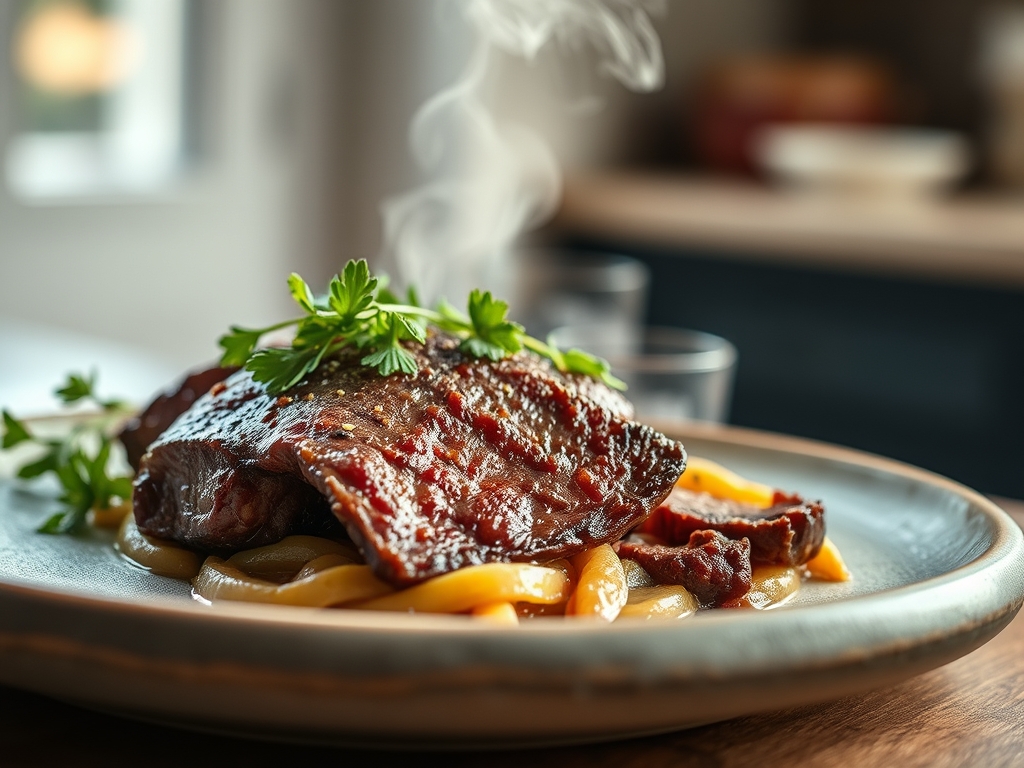
The kitchen air hums with the scent of searing protein and reduced wine; it is the unmistakable fragrance of luxury. When you hunt for the perfect beef recipes main course, you are not just looking for a meal. You are looking for that moment where a heavy-bottomed skillet transforms a raw, marbled cut into a crusty, succulent masterpiece that commands the center of the table. Whether it is a velvet-smooth Filet Mignon or a rustic, slow-braised Short Rib, beef provides a structural complexity that other proteins simply cannot match. We are diving into seven iconic preparations that bridge the gap between home cooking and professional culinary artistry. From the chemical magic of the Maillard reaction to the delicate emulsion of a pan sauce, these dishes are designed to impress the most discerning palates while keeping you firmly in control of the heat. Grab your favorite apron and a glass of something bold; we are about to turn your kitchen into the best steakhouse in the city.
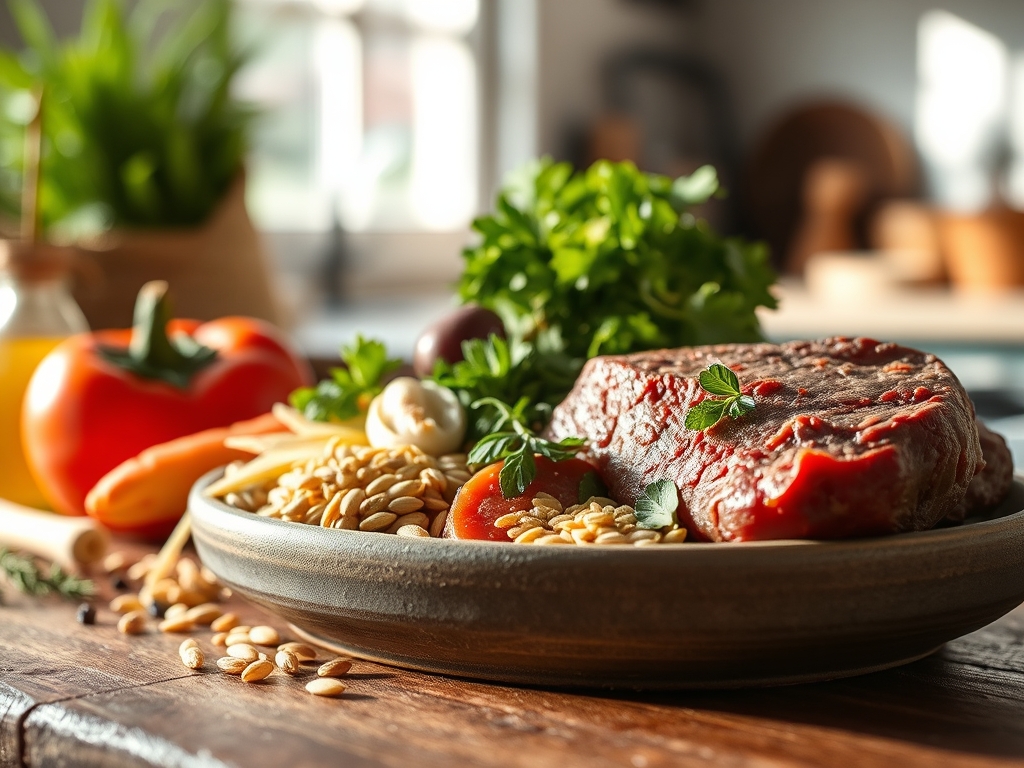
The Gathers:
To execute a world-class beef recipes main course, your mise-en-place must be precise. Start with the centerpiece: high-quality bovine cuts. Look for intense intramuscular fat, known as marbling, which provides the lipid profile necessary for a tender mouthfeel. You will need coarse kosher salt for osmotic seasoning and freshly cracked black pepper for a piquant bite. Your aromatics should include bruised garlic cloves, woody herbs like rosemary and thyme, and shallots for a refined sweetness. For deglazing, keep a dry red wine (like a Cabernet Sauvignon) and a high-viscosity beef bone broth on hand.
Smart Substitutions: If you cannot find Prime-grade ribeye, a Choice-grade hanger steak offers incredible flavor at a lower price point, provided you slice it against the grain to break up long muscle fibers. For those avoiding alcohol, a splash of verjus or a high-quality balsamic vinegar can mimic the acidity of wine without the ethanol content. If fresh herbs are unavailable, use one-third the amount of dried herbs, but bloom them in hot fat first to release their volatile oils.
The Clock
The "Chef's Flow" is all about managing thermal momentum. For most of these beef recipes main course selections, you should allocate 30 minutes for the meat to reach room temperature; this ensures even heat distribution during the sear. Active prep time usually spans 20 to 40 minutes, depending on your knife skills with the shallots and mushrooms. Cooking times vary wildly: a pan-seared steak takes only 10 to 12 minutes, while a braised brisket requires a 3 to 4 hour investment in the oven. Always build in a mandatory 10 to 15 minute resting period. This allows the muscle fibers to relax and reabsorb the internal juices, preventing a "bloody" plate when you finally make that first cut.
The Masterclass
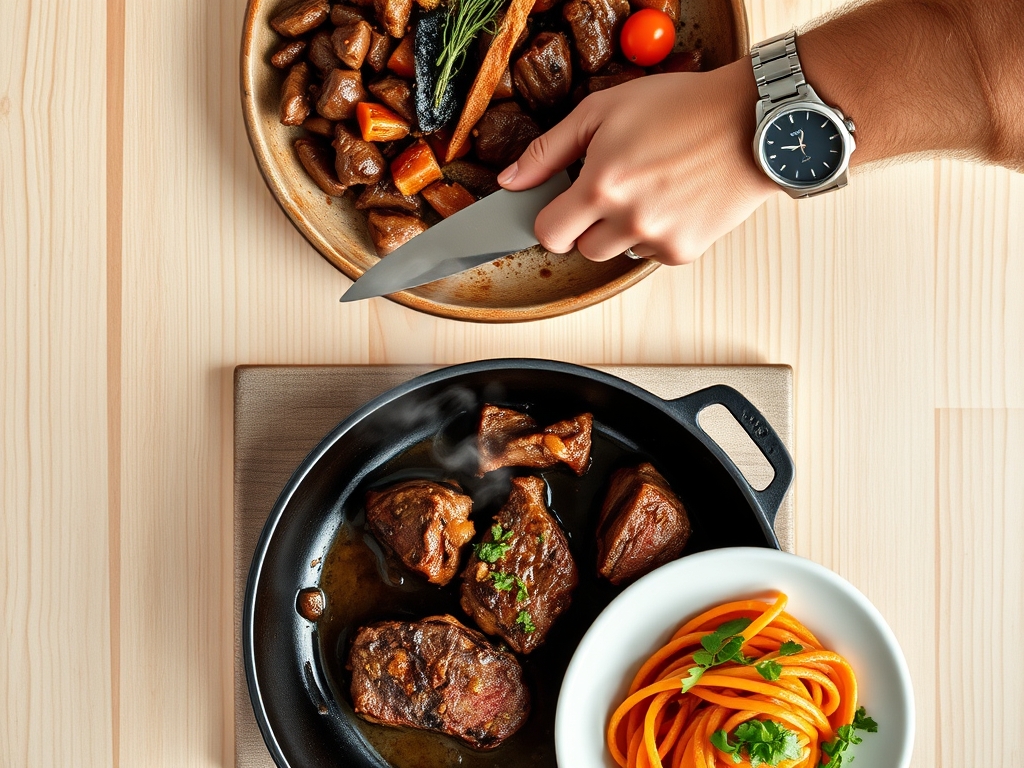
1. The Tempering and Surface Prep
Before the meat even touches the pan, use a paper towel to wick away every drop of surface moisture. Moisture is the enemy of a good crust; water absorbs energy to evaporate, which prevents the surface from reaching the 300 degree Fahrenheit threshold required for browning. Season aggressively from a height to ensure even distribution.
Pro Tip: This is the science of surface desiccation. By removing moisture, you allow the Maillard reaction to occur almost instantly, creating a complex lattice of flavor molecules and a mahogany-colored crust.
2. The High-Heat Sear
Place your heavy-bottomed skillet (cast iron is king here) over high heat until the oil reaches its smoke point. Lay the beef away from you to avoid oil splatter. Use stainless steel tongs to press the meat down, ensuring maximum surface contact. Do not move the meat for at least three minutes.
Pro Tip: This stage utilizes conductive heat transfer. A heavy pan has high thermal mass, meaning it won't drop in temperature when the cold meat is added, ensuring the proteins denature and brown rather than steam in their own juices.
3. The Butter Baste (Arrosé)
Once flipped, drop in a knob of unsalted butter, smashed garlic, and thyme. As the butter foams, tilt the pan and use a large spoon to continuously drench the beef in the flavored fat. This adds a nutty, toasted dimension to the meat.
Pro Tip: This is convection within a lipid medium. The hot butter fills the microscopic nooks of the seared surface, deepening the flavor through fat-soluble aromatic infusion from the garlic and herbs.
4. Deglazing the Fond
After removing the beef to rest, you will see brown bits stuck to the pan; this is "fond." Pour in your wine or stock and use a wooden spoon or bench scraper to lift these caramelized sugars back into the liquid.
Pro Tip: Deglazing is a solvent-based extraction. The alcohol and water in the liquid dissolve the concentrated proteins and sugars, creating the flavor base for a highly viscous and savory pan sauce.
5. The Emulsified Finish
Reduce your liquid by half, then whisk in cold cubes of butter or a spoonful of Dijon mustard. Use a saucier for this step if possible, as the rounded bottom allows for better whisking action to incorporate air and fat.
Pro Tip: You are creating a stable emulsion. By whisking cold fat into a hot reduction, you suspend tiny droplets of oil within the water-based sauce, resulting in a glossy, velvet texture that coats the back of a spoon.
6. The Precision Rest
Place your beef on a wire rack over a sheet tray rather than a flat plate. This allows air to circulate around the entire cut, preventing the bottom from becoming soggy in its own runoff.
Pro Tip: This manages thermal carryover. The internal temperature will continue to rise by 5 to 10 degrees after the meat is removed from the heat. Resting also allows the pressure inside the meat to equalize, locking in moisture.
7. The Final Slice
Use a sharp chef's knife to slice the beef against the grain. Look for the direction of the muscle fibers and cut perpendicular to them. This creates shorter fibers that are much easier to chew.
Pro Tip: This is a mechanical tenderization technique. By cutting the long, tough collagen and muscle strands into shorter segments, you mimic the effect of a long braise in a fraction of the time.
The Deep Dive
Macro Nutrition: Beef is a nutritional powerhouse, providing high-density heme iron, Vitamin B12, and zinc. A standard 6-ounce serving of lean beef contains approximately 40 to 50 grams of protein, making it an ideal choice for muscle repair and satiety.
Dietary Swaps: For a Keto version, focus on high-fat cuts like ribeye and serve with a marrow-based butter. For Gluten-Free guests, ensure your beef stock is certified and use cornstarch or a cold butter whisk (monter au beurre) instead of a flour-based roux to thicken sauces. For a Vegan alternative, use thick-cut "steaks" of Lion's Mane mushroom, which mimic the fibrous texture of beef when pressed in a hot skillet.
The Fix-It:
- The Gray Band: If you see a thick gray ring around the pink center, your heat was too low or the meat was too cold. Solution: Ensure the meat is room temp and the pan is screaming hot.
- Broken Sauce: If your pan sauce looks oily and separated, it got too hot. Fix: Add a splash of cold water and whisk vigorously off the heat to re-emulsify.
- Tough Texture: If the beef is "chewy," it likely didn't rest long enough or was sliced with the grain. Fix: Slice it thinner and against the grain immediately.
Meal Prep: To reheat beef without losing the medium-rare center, avoid the microwave. Use a low-temperature oven (250 degrees) until the internal temp reaches 110 degrees, then give it a 30-second flash sear in a hot pan to revive the crust.
The Wrap-Up
Mastering a beef recipes main course is a rite of passage for any home cook. It requires a balance of raw aggression (the sear) and delicate patience (the rest). By understanding the molecular changes happening under the surface of the meat, you move from following a recipe to commanding the kitchen. Whether you are serving a crowd or just treating yourself to a Tuesday night luxury, these techniques ensure that every bite is tender, flavorful, and perfectly executed. Now, go forth and sear with confidence!
The Kitchen Table
How do I know when the beef is done?
Use a digital meat thermometer for accuracy. For medium-rare, pull the beef off the heat at 130 degrees Fahrenheit. The temperature will naturally rise to a perfect 135 degrees as it rests. Avoid the "finger poke" test; it is often unreliable.
Why is my steak gray instead of brown?
Gray meat is caused by steam. This happens if the pan isn't hot enough or if the meat's surface was wet. Always pat the beef dry with paper towels and wait for the oil to shimmer before adding the protein.
What is the best oil for searing beef?
Use oils with a high smoke point, such as avocado, grapeseed, or canola oil. Avoid extra virgin olive oil or butter for the initial sear, as they will burn and turn bitter at the high temperatures required for a crust.
Can I cook beef straight from the freezer?
While possible, it is not recommended for a main course. Frozen beef cooks unevenly, often leaving the center raw while the outside burns. Thaw slowly in the refrigerator for 24 hours and bring to room temperature before searing.