
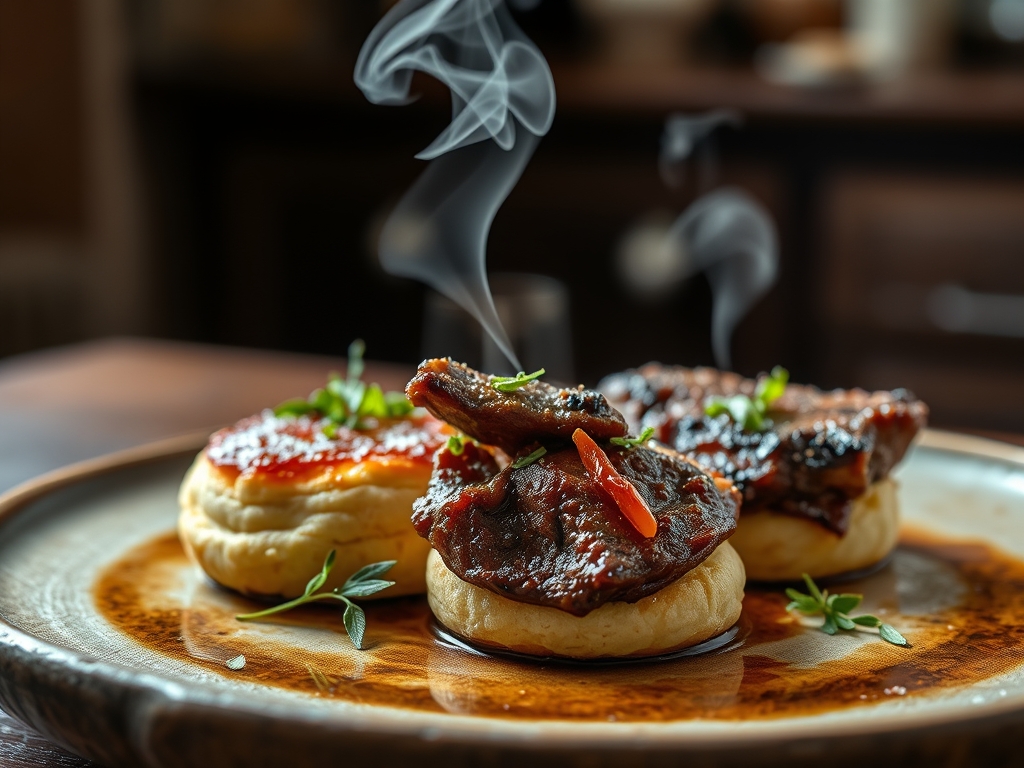
Picture a cold Tuesday evening where the air smells like woodsmoke and rain. You are standing in your kitchen, the windows fogging slightly, as the scent of searing protein meets the buttery perfume of rising dough. When we talk about biscuit and beef recipes, we are really discussing the ultimate architectural marriage of fat and salt. It is the culinary equivalent of a cashmere blanket; it is heavy, luxurious, and provides an immediate dopamine hit. Whether you are folding shredded short rib into a flaky crust or ladling thick gravy over a split buttermilk biscuit, the chemistry of these pairings relies on the contrast between the dense, savory umami of the beef and the airy, laminated structure of the bread.
The secret to mastering these dishes lies in understanding moisture management. Beef is a powerhouse of juice and rendered fat, while biscuits are thirsty sponges designed to absorb every drop of flavor without losing their structural integrity. We are moving past the basic pot pie and into a world where we use high-quality cuts and precision baking techniques to elevate the humble biscuit into a gourmet vessel. By the time we are finished, you will understand how to manipulate gluten and Maillard reactions to create a meal that feels like a warm hug from a very smart, very talented chef.
The Gathers:
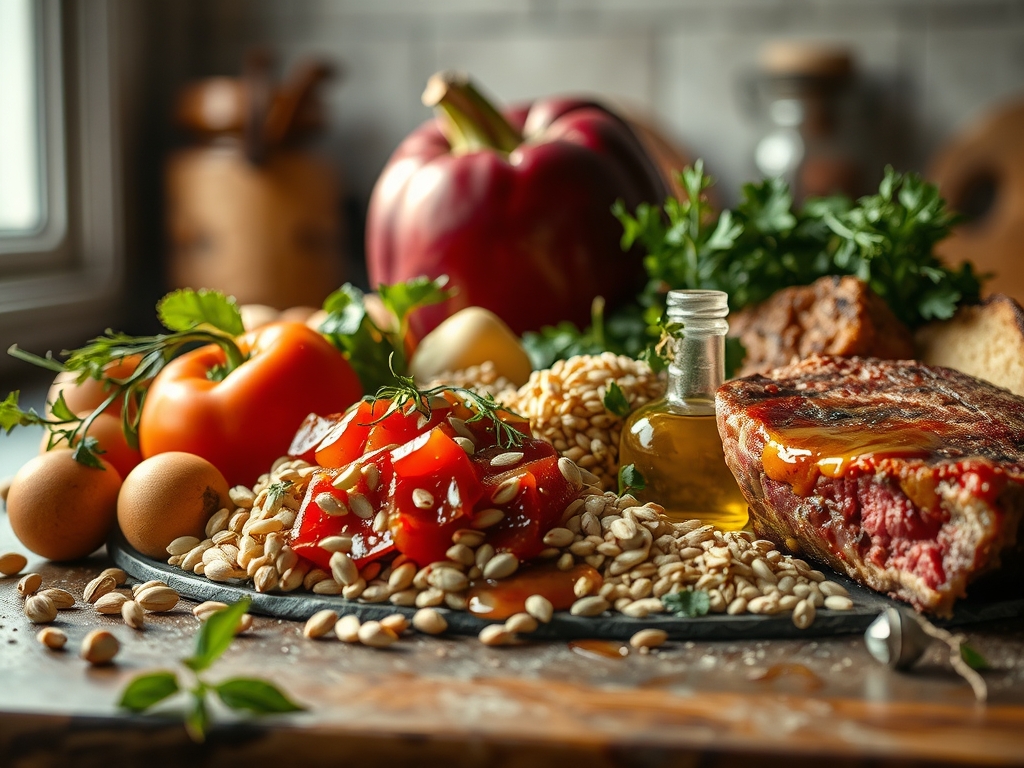
To execute these biscuit and beef recipes with professional finesse, your mise-en-place must be exact. Start with your dry goods. You need a high-protein pastry flour or a low-protein all-purpose flour to ensure the biscuits remain tender rather than chewy. Cold, unsalted European-style butter is non-negotiable because its higher fat content and lower water percentage create more steam, which leads to superior lift. For the beef, look for cuts with significant intramuscular marbling like chuck roast or brisket. These cuts contain high amounts of collagen, which breaks down into gelatin during the cooking process, providing a viscous mouthfeel that mimics a rich sauce.
Your professional toolkit should include a bench scraper for clean dough cuts, a heavy-bottomed skillet (preferably cast iron) for even heat distribution, and a digital scale for precise flour measurements. Do not forget a microplane for grating cold butter directly into the flour; this ensures the fat particles remain small and evenly distributed.
Smart Substitutions: If you are out of buttermilk, do not just use regular milk. Add a tablespoon of lemon juice or white vinegar to whole milk and let it sit for ten minutes to simulate the acidity needed to react with your leavening agents. For a deeper flavor profile in your beef, swap standard beef broth for a high-quality bone broth or even a dark stout beer to infuse the meat with complex, malty notes.
The Clock
Efficiency in the kitchen is about "Chef's Flow," which means overlapping tasks so that no minute is wasted. For most biscuit and beef recipes, your active prep time will hover around 30 minutes, with a total cook time of 60 to 90 minutes depending on the beef cut. Start by searing your meat; this is the longest step and requires the most passive time. While the beef is braising or simmering, move to your biscuit dough. This allows the dough to "rest" in the refrigerator, which chills the fat and relaxes the gluten. By the time your beef is tender and the liquid has reduced to a piquant glaze, your biscuits are ready to be stamped out and popped into the oven. This synchronized timing ensures that both components reach their peak temperature and texture simultaneously.
The Masterclass
1. The High-Heat Sear
Place your beef in a preheated heavy-bottomed skillet with a high-smoke-point oil. Do not crowd the pan. You want a deep, mahogany crust on all sides to initiate the Maillard reaction.
Pro Tip: This chemical reaction occurs between amino acids and reducing sugars. To maximize it, pat your meat completely dry with paper towels before searing; moisture is the enemy of a good crust because it creates steam instead of browning.
2. Deglazing the Fond
Once the beef is browned and removed, you will see brown bits stuck to the bottom of the pan. Pour in a liquid like red wine or stock and use a wooden spoon to scrape them up.
Pro Tip: This process captures the concentrated flavor known as "fond." Scientifically, you are creating an emulsion of fats and water-based liquids that forms the base of a highly flavorful sauce.
3. The Cold Fat Integration
Use your microplane or a pastry cutter to incorporate chilled butter into your flour until it resembles coarse crumbs. The goal is to keep the butter in solid chunks.
Pro Tip: When the cold butter hits the hot oven, the water inside the butter evaporates instantly. This creates steam pockets that aerate the dough, resulting in those coveted flaky layers.
4. Folding for Laminations
Instead of kneading, fold your dough over itself five or six times. Use your bench scraper to keep the edges clean and square.
Pro Tip: This is a simplified version of puff pastry lamination. Each fold creates a new layer of fat and flour, which increases the height of the biscuit through mechanical leavening.
5. The Final Assembly and Bake
Place your biscuits on top of the beef mixture or on a separate baking sheet. Brush the tops with heavy cream or an egg wash for a glossy finish.
Pro Tip: Watch for thermal carryover. Remove the beef from the heat just before it reaches your target tenderness, as it will continue to cook for several minutes while resting or under the hot biscuit topping.
The Deep Dive
When we look at the macro nutrition of biscuit and beef recipes, we are looking at a high-protein, high-fat profile. A standard serving provides roughly 35g of protein and 40g of carbohydrates. To make this keto-friendly, replace the flour with almond flour and xanthan gum to mimic the gluten structure. For a vegan twist, use a hearty mushroom and lentil base instead of beef and swap butter for chilled coconut oil.
The Fix-It:
- Tough Biscuits: You likely overworked the dough, developing too much gluten. Next time, use a light touch and stop mixing as soon as the flour disappears.
- Greasy Beef: You did not render the fat properly. Always start fatty cuts in a cold pan or trim excess fat before searing.
- Soggy Bottoms: If your biscuits are sitting directly on a stew, the steam will make them mushy. Bake them separately for 10 minutes before placing them on the beef to finish.
Meal Prep Science: To reheat, avoid the microwave as it turns biscuits into rubber. Use a toaster oven or a standard oven at 350 degrees Fahrenheit. This re-crystallizes the fats and crisps the exterior, returning the dish to "day-one" quality.
The Wrap-Up
Mastering biscuit and beef recipes is a rite of passage for any home cook looking to dominate the comfort food category. By focusing on the science of temperature and the mechanics of dough, you transform simple ingredients into a sophisticated feast. Remember to keep your butter cold, your skillet hot, and your wine glass full. Now, go forth and create something deliciously heavy.
The Kitchen Table
How do I make my biscuits taller?
Keep your ingredients ice-cold and use a sharp bench scraper to cut the dough. Never twist the cutter; a straight downward motion keeps the edges open, allowing the steam to escape and lift the dough layers vertically.
What is the best beef cut for biscuits?
Chuck roast is the gold standard. Its high collagen content breaks down into gelatin during a slow braise, creating a rich, viscous sauce that perfectly complements the dry, flaky texture of a fresh buttermilk biscuit.
Can I make the dough in advance?
Yes, you can prepare the dough and cut the biscuits up to 24 hours in advance. Keep them covered in the refrigerator. Baking them straight from the fridge actually improves the flake by ensuring the butter stays solid.
Why is my beef gravy too thin?
You likely did not reduce the liquid enough or lacked a proper binder. Use a saucier to increase surface area for faster evaporation, or whisk in a small amount of flour and butter (a roux) to thicken the sauce.